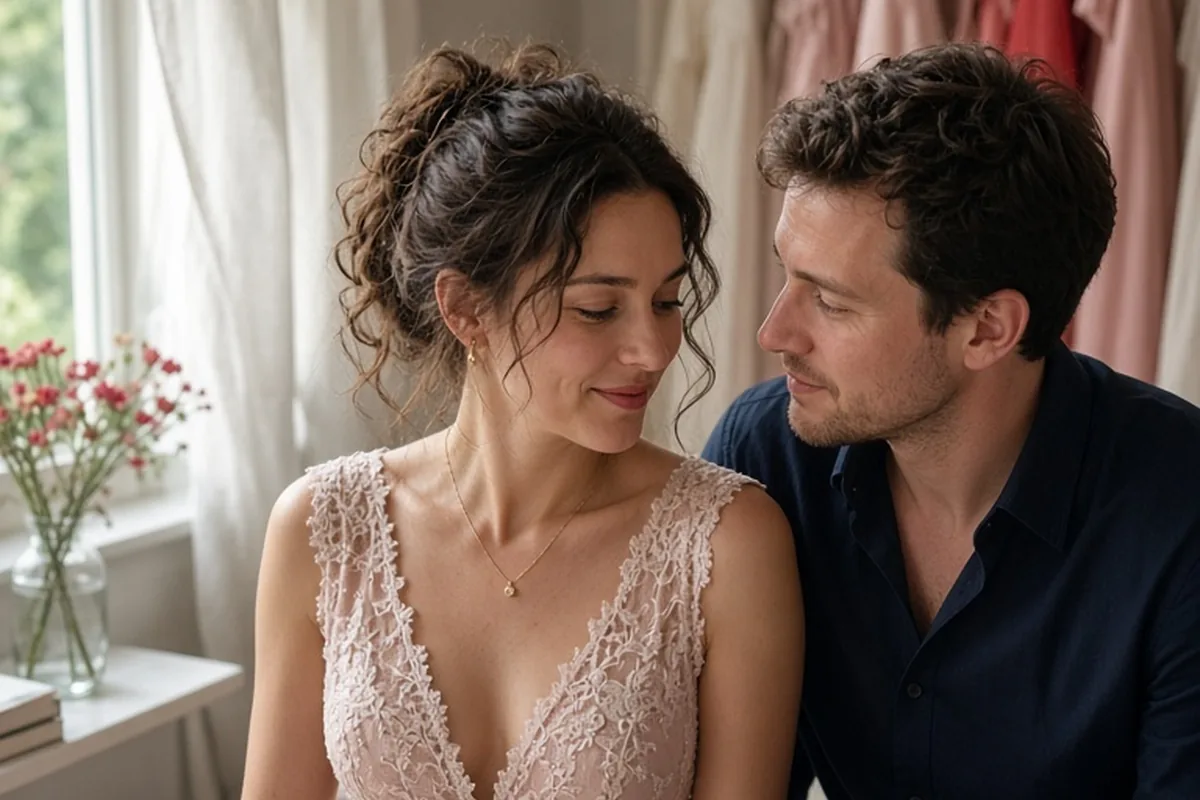
Shopping for a wedding dress with a 100-guest count means balancing visual presence with personal mobility. A 100-person gathering allows close guest interaction during cocktail hours and seated dinners while still offering traditional ceremony drama. Focus on silhouettes that permit natural movement, tactile fabrics with intricate bodice detailing that guests will see up close, and practical train lengths with secure bustles. Coordinate your shopping timeline nine to twelve months in advance to accommodate production, shipping, and multiple alteration fittings.
A 100-guest wedding sits in the sweet spot between an intimate micro-wedding and a massive gala. This crowd size shapes your entire wedding day experience, determining how closely your guests see your dress, how easily you navigate dining tables, and how much physical contact you have throughout the reception.
Matching Dress Silhouettes to a 100-Guest Venue Dynamic
A guest count of approximately one hundred people typically occupies mid-sized event spaces, such as boutique hotel courtyards, historical estates, industrial lofts, winery barrel rooms, or private club dining halls. In these spaces, your dress needs enough presence to stand out as the visual centerpiece without overwhelming the physical floor plan. An overly voluminous cathedral-scale ballgown with layers of stiff crinoline can feel restrictive in a room set with ten to twelve dinner tables, narrow service aisles, and a medium-sized dance floor.
A-line silhouettes, soft fit-and-flare cuts, drop-waist designs, and sheath gowns generally strike the ideal balance for mid-scale venues. An A-line gown provides classic bridal architecture and waist definition without creating a physical barrier between you and your guests during cocktail conversation. If you prefer a structured ballgown, look for designs constructed with lightweight horsehair trim, soft tulle, or organza rather than heavy interfacings, allowing the skirt to compress slightly when passing through standard doorways or table clusters.
Consider the ceremony aisle width when assessing skirt volume. Mid-sized indoor chapels or garden clearings often feature aisles between four and six feet wide. When two people walk down the aisle together, a gown with extreme lateral volume can sweep against guest chairs, floral arrangements, or aisle candles. Test your walking stride and skirt clearance during your salon appointments to ensure smooth passage down a standard ceremony aisle.
Evaluating Fabric Weight and Texture for Up-Close Visibility
In a grand ballroom with three hundred attendees, wedding dress impact relies on bold geometric shapes, dramatic cathedral trains, and reflective sparkle visible from fifty feet away. With one hundred guests, almost every person will stand within arm's reach of you at some point during the reception. This proximity shifts the stylistic focus toward refined fabric quality, detailed lace craftsmanship, delicate embroidery, and neat seam construction.
Tactile materials like Chantilly lace, silk crepe, matte mikado, embroidered 3D floral appliqués, and soft georgette excel in mid-size settings. Guests notice hand-sewn pearl trim on a cuff, the scalloped edge of an illusion neckline, and the fluid drape of silk during a seated toast. If you choose beaded or sequined fabrics, opt for subtle tonal beadwork or glass micro-beads that catch natural light gently rather than heavy plastic paillettes that can look harsh under intimate room lighting.
Fabric weight also directly affects your stamina. Mingling with one hundred individual guests requires moving continuously between high-top cocktail tables, family greeting lines, and dinner rounds. Heavy brocades, rigid satin blends, or dense multi-layered gowns can become uncomfortably warm indoors. Test the fabric breathability against your skin, checking whether the lining consists of breathable silk or a soft stretch jersey that lets you move freely without trapping excess body heat.
Managing Train Lengths, Bustles, and Reception Mobility
Train length determines how gracefully you transition from a ceremonial focal point to an active host. A chapel-length train (extending three to five feet behind the waist) or a sweep train (trailing six to twelve inches on the floor) offers sufficient ceremony drama for a 100-person gathering while remaining manageable during indoor photography and family portraits.
The bustling mechanism is one of the most critical structural components of your dress for a mid-size reception. Because you will spend significant time walking between dining tables, hugging friends, and dancing in a moderate space, your bustle must be secure and simple to fasten. Discuss bustle options with your bridal seamstress during your initial fitting. An American (over) bustle uses small loops and clear buttons on the exterior skirt surface, creating defined drape folds, while a French (under) bustle pulls the fabric underneath itself using internal color-coded ribbons for a smooth, tailored finish.
Ask your seamstress to reinforce the bustle anchor points with underlying stay tape or hidden canvas stays inside the bodice seam. Standard single threads can easily snap if a guest accidentally steps on the hem during a lively conversation or on a crowded dance floor. Schedule a designated bridesmaid or family member to attend your final dress fitting so they can practice fastening the exact bustle configuration under the seamstress's guidance.
Aligning Your Dress Budget Within a Mid-Size Wedding Plan
When allocating funds for a 100-guest celebration, bridal attire costs should be evaluated alongside catering, venue rental, and photography. In general wedding planning practice, attire and beauty typically represent roughly eight to twelve percent of the overall wedding budget. However, your dress purchase involves several distinct financial components that must be accounted for before committing to an order.
Your total attire budget should encompass the base gown price, regional sales tax, boutique shipping fees, foundational undergarments, footwear, accessories, veil, and professional alterations. Alterations alone frequently range from basic hem and strap adjustments to complex restructuring of boning, bust cups, and intricate lace hems. Gowns featuring raw lace edges or horsehair trims around the hemline often require significant hand-sewing labor to shorten, which increases tailoring costs.
To protect your budget, request an itemized estimate from the bridal salon before signing the purchase contract. Clarify whether standard alterations are available in-house or if you will need to contract an independent master tailor. If you plan to wear two different outfits—such as a ceremonial gown followed by a reception mini-dress or bridal jumpsuit—split your allocated clothing budget across both pieces to prevent surprise overages late in the planning cycle.
Timing Your Bridal Salon Appointments and Alteration Schedule
Standard designer wedding dresses require anywhere from four to nine months for manufacturing and international freight, followed by an additional two to three months for multiple alteration fittings. For a seamless timeline, begin booking salon appointments nine to twelve months prior to your wedding date, placing your final gown order no later than eight months out.
Bridal salons operate by appointment and generally host appointments lasting sixty to ninety minutes. Mid-week appointments on Tuesday through Thursday afternoons often provide a quieter atmosphere with fewer simultaneous appointments in the salon, allowing your consultant to dedicate undivided attention to your venue requirements, guest scale, and personal preferences. Weekend appointments are popular and can feel busier, which may limit the number of gowns you can try on in one session.
Plan for three distinct alteration fittings once your gown arrives at the boutique or tailor. The first fitting occurs eight to ten weeks before the wedding to establish hem length, side seam adjustments, and shoulder fit. The second fitting takes place three to four weeks prior, checking the refinement of waist boning and pinning the bustle system. The final pickup fitting occurs one to two weeks before the event date, ensuring the pressed gown fits your body precisely at your current weight and with your planned wedding day undergarments and shoes.
Selecting Your Dress Shopping Entourage Without Salon Overcrowding
A 100-guest wedding naturally creates a close circle of family and friends who feel invested in your planning journey. However, bringing a large group of six to ten people to your bridal appointments often creates conflicting stylistic opinions, heightened stress, and decision fatigue.
Limit your shopping entourage to two or three trusted individuals whose taste aligns with your goals and who understand your personal comfort boundaries. Choose people who will support your personal vision rather than pushing trends that do not suit your venue size or budget. Most boutique viewing areas feature seating designed for two to four guests, meaning a smaller group ensures a comfortable, calm environment for everyone involved.
If you want to involve more members of your 100-person guest list, find dedicated roles outside the initial dress search. You can invite other friends or family to join an accessory styling session, a bridal shower shopping trip, or an unveiling gathering once the fully altered dress arrives home. Maintaining a focused entourage during the purchase phase preserves your own instincts and keeps the appointment productive.
Comfort Checklists for Mingling, Hugging, and Seated Dinners
At a 100-guest wedding, you will likely spend hours standing during photo sessions, hugging dozens of people in greeting lines, sitting through a multi-course meal, and moving across the dance floor. A dress that looks striking while standing still on a fitting pedestal must also perform comfortably through all of these physical activities.
When trying on sample gowns in the bridal boutique, deliberately test standard physical movements rather than remaining stationary in front of the mirror. Sit down in a straight-backed chair to check if the bodice boning digs into your ribs or hips. Raise your arms to shoulder height to confirm you can comfortably hug guests without feeling restricted by tight armholes, off-the-shoulder straps, or stiff sleeves. Walk briskly across the showroom, turn around abruptly, and bend slightly forward to verify that the neckline maintains full coverage without gaping.
Examine the bodice interior for adequate structural boning and soft lining over zipper tracks. If your dress requires specific shapewear, low-back bras, or seamless briefs, purchase these foundation pieces early so you can wear them during all subsequent fitting sessions. Ensuring that your gown accommodates natural posture changes ensures you remain relaxed and present throughout the entire evening.
Frequently asked questions
Can I wear a ballgown at a 100-guest wedding?
Yes, ballgowns work well for 100-guest weddings if your venue has wide walkways and open reception spaces. Look for lightweight fabrics like organza or tulle rather than dense, heavy satins so you can navigate dining tables easily.
How many people should I bring dress shopping for a mid-size wedding?
Bringing two to three close companions is ideal for a focused appointment. A smaller group provides supportive feedback without overwhelming you with conflicting opinions in boutique fitting areas.
When should I buy my dress for a 100-person wedding?
Begin shopping nine to twelve months ahead of your date and place your order by the eight-month mark. This timeline leaves sufficient room for four to six months of production and two to three months of custom tailoring.
What train length is best for a 100-guest reception?
Chapel-length and sweep trains provide an ideal balance of visual ceremony impact and reception practicality. Ensure your tailor constructs a sturdy American or French bustle so you can move and dance freely without tripping.
Your next step
Review your venue floor plan and walkway dimensions, then book two weekday bridal salon appointments nine to twelve months ahead of your wedding date.