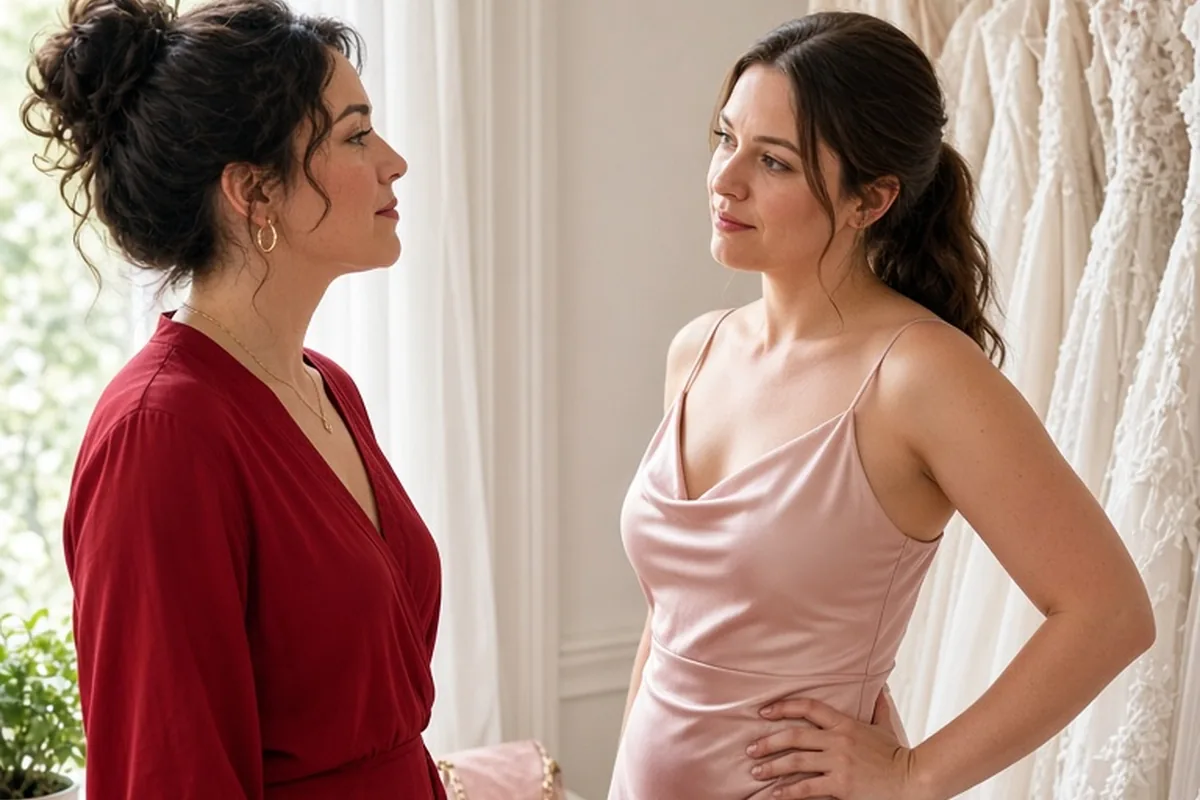
A wedding dress sizing cost breakdown includes structural adjustments such as taking in or letting out side seams, shortening multi-layered hems, raising shoulders, shaping the bust, and building a multi-point bustle. Bridal gowns are built around structured silhouettes rather than standard street sizes, so alterations are almost always necessary. Total costs depend on garment construction, fabric fragility, embellishments, and local specialist labor rates, making itemized in-person estimates essential for accurate budget planning.
Purchasing a wedding gown is distinct from buying standard ready-to-wear clothing because bridal sizing charts adhere to proprietary designer proportions rather than contemporary retail measurements. Most bridal garments are manufactured to fit a standardized composite figure, requiring skilled seamstresses to sculpt the garment to your unique proportions. Understanding the mechanical components of sizing, structural tailoring, and boutique labor helps you anticipate finishing expenses before placing your gown order.
Why Bridal Gown Sizing Differs from Everyday Street Sizing
Bridal sizing charts are traditionally based on historical European couture scaling, which typically runs two to three sizes smaller than standard modern American ready-to-wear sizing. When a bridal consultant measures your bust, waist, and hips, they compare those three numbers to a manufacturer chart and generally recommend ordering the size that corresponds to your largest single measurement. Because woven bridal fabrics like stiff mikado, silk faille, and structured crepe offer minimal mechanical stretch, a dress ordered to fit your smallest measurement would be impossible to zip closed over wider areas.
Ordering to your largest measurement guarantees the garment can be closed, but it also guarantees that other sections of the gown will require custom reduction. If your bust aligns with one size while your waist aligns with a smaller bracket, the bodice side seams and darts must be taken in to eliminate gaping and slippage. Understanding this sizing dynamic reframes alterations not as an unexpected defect or emergency fix, but as the scheduled final manufacturing phase of a made-to-order garment.
Core Structural Alteration Fees: Hems, Side Seams, and Shoulders
The baseline foundation of any bridal sizing work consists of three critical adjustments: setting the hemline, refining the side seams through the bodice and hips, and balancing the shoulder or strap tension. Hemming a bridal gown is far more intricate than tailoring a pair of trousers. Floor-length gowns frequently feature multiple interior skirts, including crinoline petticoats, satin lining layers, intermediate tulle support, and delicate exterior overlays. Tailors must measure, cut, and finish each layer independently so the skirt drapes evenly while allowing natural movement when walking in your chosen heel height.
Adjusting side seams involves unpicking interior lining, removing and resetting boning channels, and precisely redistributing excess fabric across the torso. If your dress features an intricate zipper closure with functional buttons, tapering the back requires adjusting delicate loop tape and seam allowances. Shoulder strap adjustments dictate how the entire bodice sits across your chest; shortening straps lifts the bust apex into position, while lengthening straps lowers the waistline to prevent uncomfortable pinching across the ribcage.
Bustle Styles, Bodice Cups, and Support System Pricing Elements
A bustle is a custom-engineered system of fasteners, clear buttons, ribbon loops, or concealed hooks designed to lift and secure the wedding dress train off the floor for the reception. Because gowns do not come manufactured with bustles, this is entirely custom handwork created directly on your body during fittings. The complexity and associated labor fee of a bustle depend directly on the weight of the train and the chosen aesthetic method.
An overbustle, or American bustle, lifts the exterior fabric up and fastens it to visible or decorative anchor points along the waistline, which works well for lighter sheaths and A-line silhouettes. An underbustle, or French bustle, folds the fabric underneath itself using a color-coded numbering system of ribbons beneath the skirt, creating an elegant pleated tuck suitable for heavy satin or voluminous ballgowns. In addition to the bustle, internal support modifications such as sewing in contoured push-up or smooth modesty cups, adding a waist stay ribbon to transfer dress weight to the hips, or rebuilding interior boning are priced as separate functional adjustments.
How Delicate Fabrics, Beading, and Lace Drive Labor Charges Higher
The primary variable that escalates sizing and tailoring expenses is the technical difficulty of manipulating the gown's surface materials. When altering a dress constructed from plain silk crepe, clean satin, or unembellished chiffon, a seamstress can use precision machine stitching and standard pressing methods. However, if the alteration line crosses hand-sewn glass beading, sequins, metallic embroidery, or dimensional floral appliques, the workflow changes dramatically.
Tailors must carefully unpick individual beads and stones by hand along every cut line or seam allowance before cutting or sewing, as machine needles will break on beads and shatter the delicate surrounding fabric. After the structural seam is sewn, pressed, and reinforced, the tailor must hand-sew matching beads and lace motifs back over the newly created seam to conceal the alteration line. Similarly, skirts with wide horsehair braid trims or scallop-edged lace borders require the artisan to unpick yards of border trim, shorten the skirt from the raw middle or drop the waist, and reattach the decorative edging by hand.
The Financial Consequences of Extreme Sizing Changes
While taking in a gown by one or two sizes is standard practice, attempting to resize a dress down by more than three sizes—or letting out a dress that is too small—enters the realm of full garment deconstruction. Resizing down significantly requires a seamstress to remove the sleeves, detach the skirt from the bodice, reposition the armscye (armhole), cut new pattern lines, and reassemble the entire piece. This extensive labor can easily exceed the cost of standard alterations and may alter the original balance and neckline proportions of the dress.
Letting a dress out is constrained by the physical seam allowances left by the manufacturer. High-end designers often leave narrow interior allowances of a half-inch or less, limiting expansion to less than a single size. If additional room is needed beyond the existing allowances, the seamstress must source matching fabric and illusion mesh to insert discrete side panels or convert a traditional zippered back into a lace-up corset back. While a corset back provides variable tension and flexibility, the labor required to build internal modesty panels and stitch matching grommet loops represents an added structural cost.
Fitting Timelines, Rush Surcharges, and Scheduling Milestones
Bridal alterations typically require three to four separate in-person appointments spread over a two-to-three-month window. The initial fitting establishes the primary silhouette, pins the side seams, sets the hem position, and plans the bustle geometry. The second fitting evaluates the adjusted structural seams, checks the drape of the hem, and ensures that cups and stays sit comfortably against the ribcage. A third fitting verifies fine balance adjustments, tests the bustle strength, and confirms you can sit, walk, and raise your arms comfortably.
Compressing this multi-step tailoring process into an expedited timeline of a few weeks or days invariably triggers rush fees. Independent alteration ateliers and boutique workrooms maintain limited seasonal capacity, particularly during peak wedding months from spring through autumn. When a rush is requested, seamstresses must work overtime hours to dismantle, fit, sew, and hand-press layered garments without compromising structural integrity. Booking your first fitting eight to twelve weeks prior to your wedding date ensures standard scheduling without premium labor surcharges.
Questions to Ask an Independent Seamstress Before Booking Fittings
Before delivering your gown to a bridal alterations specialist or independent tailor, requesting clarity on billing models and workmanship guarantees protects your budget. Some ateliers offer comprehensive flat-rate tailoring packages that bundle common modifications into a single price, while others utilize itemized billing where every single hook, hem layer, and bustle point is charged separately. Understanding how your chosen provider assesses their work prevents surprises on your final invoice.
When evaluating prospective tailors, verify their specific experience with your gown's fabric and designer construction. Ask whether the quoted figure includes follow-up micro-adjustments if your weight fluctuates slightly between the penultimate fitting and pickup, and confirm whether final steaming, pressing, and protective garment bagging are included. Obtaining a clear, itemized written estimate after your garment is pinned at the initial consultation gives you complete control over which adjustments to approve.
Frequently asked questions
Why are bridal gown alterations priced separately from the retail dress price?
Bridal gowns are produced to standard manufacturer block patterns rather than custom individual measurements. Boutiques and independent tailors employ skilled artisans who spend hours performing custom handwork on delicate materials, so this specialized labor is billed separately from the base garment purchase.
What items must I bring to my first wedding dress sizing appointment?
You must bring the exact undergarments, shapewear, and shoes with the specific heel height you plan to wear on your wedding day. Changes in heel height or bra structure after the initial pinning will distort the hemline and bodice fit, requiring costly rework.
Is it cheaper to alter a sample sale wedding dress than a new made-to-order gown?
Not necessarily. While sample sale gowns offer significant upfront purchase discounts, they may have been tried on by dozens of people, leading to stretched seams, missing beads, broken zippers, or soiled hemlines. Repairing these defects while resizing the sample often results in higher alteration labor than fitting a pristine new gown.
Can a seamstress make a wedding dress larger if it is ordered too small?
A dress can only be let out if the manufacturer included sufficient interior seam allowances, which usually allow for modest expansion of a fraction of an inch to one size. If more room is required, the seamstress must add side gussets or convert the zipper closure into a lace-up corset back.
Your next step
Schedule an in-person consultation with an experienced bridal alterations specialist with your wedding shoes and undergarments in hand to receive a clear, itemized breakdown before committing to specific modifications.