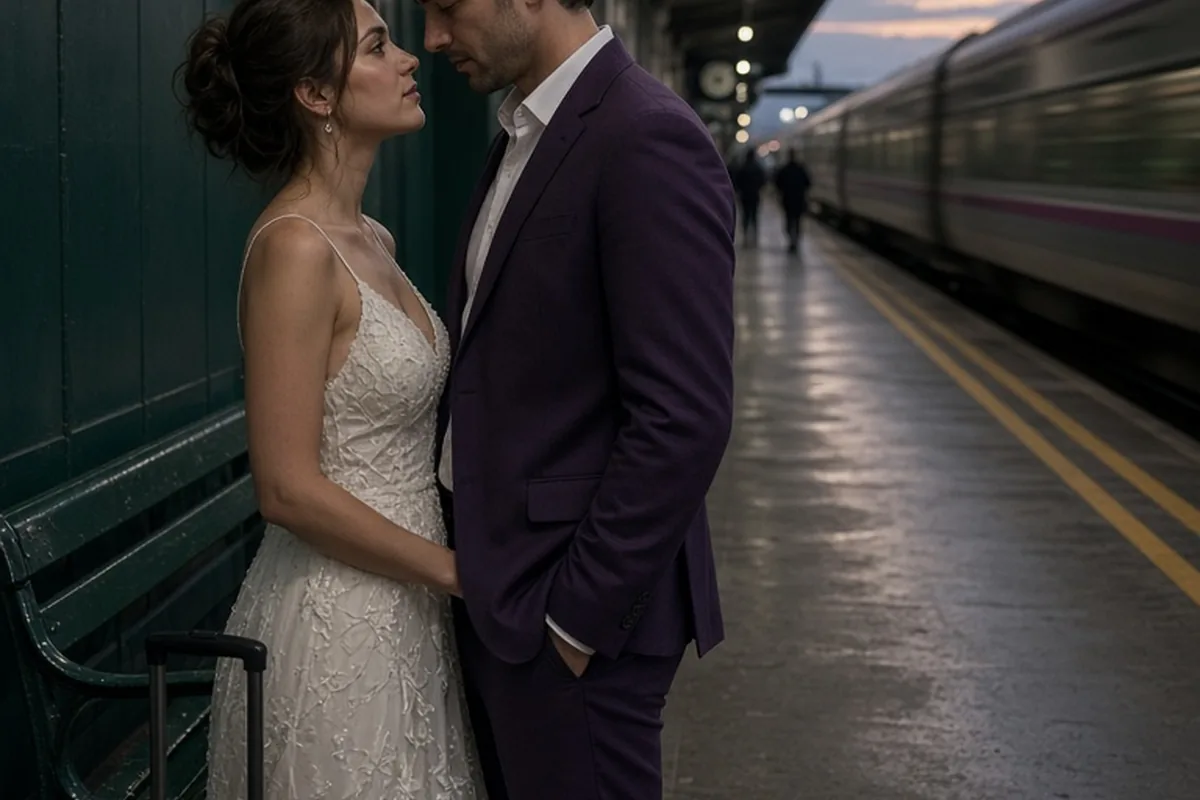
Wedding dress sizing for a 200-guest wedding requires prioritizing upper-body mobility, structural torso support, and functional ease over ultra-snug vanity sizing. A 200-guest event demands hours of continuous movement, including greeting hundreds of attendees, hugging, sitting through multi-course dinners, and navigating crowded reception layouts. Order your bridal gown according to your largest current measurement—bust, waist, or hips—and have an experienced bridal tailor alter the seams inward while building in sufficient ease across the armholes and ribcage.
Hosting a large celebration with 200 attendees significantly changes the physical demands placed on your bridal gown compared to an intimate elopement or a short ceremony. Understanding how bridal size charts translate into real-world endurance ensures your gown maintains its shape, looks pristine in photos, and keeps you completely comfortable from the first portrait to the final send-off.
Bridging Bridal Sizing Charts with 200-Guest Physical Demands
Bridal sizing typically runs one to two sizes smaller than contemporary standard US ready-to-wear clothing. If you wear a street size eight in department store apparel, you will likely measure into a bridal size ten or twelve depending on the designer's specific proportion chart. When preparing for a celebration with 200 guests, attempting to squeeze into a smaller tag size introduces severe operational risks. A large guest list requires you to stay in your gown for ten to fourteen consecutive hours, during which your body will naturally expand, fluctuate with hydration, and experience physical exertion.
To select the correct baseline size, a bridal consultant must record three core measurements using a flexible vinyl measuring tape: the fullest point of your bust across the apex, your natural waistline located roughly two inches above your navel, and the fullest point of your hips and seat. Because bridal gowns are constructed with rigid woven fabrics, structured linings, and minimal synthetic stretch, the gown must always be ordered to accommodate your largest individual measurement. Taking a dress in at the waist or bust is a straightforward tailor adjustment, whereas letting out a dress that arrives too tight across the hips or ribcage can be technically impossible if internal seam allowances are narrow.
How Greeting 200 Guests Affects Armhole, Bust, and Shoulder Fit
One of the most physically demanding portions of a 200-guest wedding is the receiving line or extended table-touching period. Greeting two hundred people involves raising your arms hundreds of times for embraces, handshakes, and conversational gestures. If your gown is sized too tightly across the upper back, sleeve cap, or armscye—the circular seam where the sleeve joins the bodice—you will experience severe friction, chafing, and restricted circulation within the first hour of socializing.
During your initial fittings, communicate to your seamstress that you will be hosting a large crowd and test your functional range of motion rather than standing static on the alteration pedestal. Raise both arms overhead, reach forward as if giving a full two-handed embrace, and ensure the fabric across your shoulder blades does not pull tightly or bite into your underarms. For fitted off-the-shoulder straps, illusion mesh sleeves, or structured cap sleeves, request the addition of discreet elasticized gussets or stretch-thread construction to allow upward arm travel without lifting the entire waistline of the dress.
Navigating Crowded Ballrooms: Silhouette Sizing and Skirt Volume
A banquet room arranged for 200 guests generally features between twenty and twenty-five round tables, along with service stations, floral installations, a dance floor, and wandering catering staff. The overall volume and skirt circumference of your wedding gown directly influence how easily you can navigate these tight aisles without snagging fabric on chair backs or knocking over place settings. While dramatic cathedral trains and wide ballgowns create breathtaking ceremony entrances, their sheer mass requires careful proportion management throughout a crowded reception.
If you select a grand ballgown or dramatic A-line silhouette, ensure the underskirt crinoline and petticoat layers are sized to match your natural stride length. The front hemline should clear your chosen wedding shoes by approximately one-half to three-quarters of an inch off the finished floor surface so your toes never catch in the hem while stepping between closely spaced banquet chairs. For tighter mermaid or trumpet cuts, verify that the flare seam begins comfortably above your knees or includes hidden stretch panels so you can step across floor transitions and climb venue stairs without restricted leg extension.
Internal Boning, Corsetry, and Seam Construction for Long Receptions
The structural architecture inside your bodice determines whether your dress maintains its fit throughout an extended 200-guest timeline or begins sliding downward under its own weight. High-end bridal garments utilize a combination of German plastic boning, spiral steel stays, and internal waist stays, often called grosgrain waistbands. The internal waist stay is an interior belt that fastens snugly around your smallest natural waistline, transferring the entire structural weight of heavy skirts, beads, and layered tulle directly onto your skeletal pelvic bone rather than relying on shoulder straps or friction across your bust.
When tailoring a gown for high-endurance wear, request that your seamstress evaluate the durability of all primary closure seams. A standard invisible nylon zipper can split under the continuous pressure of sitting, bending, and hugging over twelve hours. Upgrading to a reinforced metal-tooth zipper, backing the zipper with sturdy hook-and-eye closures every two inches, or converting a flat zip back into a laced corset closure provides dynamic adjustability. A corset back allows you or your attendant to loosen or tighten the tension by micro-increments during dinner, accommodating natural abdominal expansion without sacrificing posture support.
Bustle Engineering and Hem Sizing for 200-Person Dance Floors
Once dinner concludes and dancing begins, a long ceremony train becomes a major liability on a crowded dance floor shared with 200 guests. Stepping on delicate bridal fabric can tear expensive lace, rip out structural gathers, or cause falls. Sizing and installing an engineered bustle system tailored specifically to your gown's weight and train length is critical for preserving the garment through the evening.
For lightweight crepe, silk, or chiffon dresses, an American bustle—which lifts the train upward and secures it to exterior points along the waistline—creates a clean drape. For heavier satin, embroidered lace, or multi-layered tulle gowns, a French under-bustle or a multi-point Austrian bustle distributes the fabric weight across five to nine reinforced anchor points hidden beneath the skirt. Ensure your tailor anchors every bustle button or loop through the internal structural lining rather than the delicate outer lace alone, and schedule your maid of honor or coordinator to attend your final fitting so they learn the precise fastening sequence.
Managing Sizing Adjustments Between Final Fittings and Event Day
Wedding planning for 200 guests brings significant organizational demands, vendor coordination, and fluctuating schedules that can lead to unintentional weight loss or gain during the final two months. To prevent sizing discrepancies on your wedding day, structure your fitting schedule around three distinct milestones: the primary structural fitting eight to ten weeks prior, the proportion and hem fitting four weeks prior, and the final pickup fitting two weeks before the event.
Always bring your exact wedding undergarments, shapewear, seamless foundation pieces, and event footwear to every single appointment. Swapping a smooth plunge bra for a padded bustier, or switching from two-inch heels to three-inch platforms between appointments will immediately alter your torso length, bust placement, and skirt clearance. If your body tends to fluctuate, advise your tailor to preserve internal seam allowances rather than trimming excess fabric away, giving them the flexibility to let out side seams by a half-inch during your final pickup week if necessary.
Frequently asked questions
Why do bridal salon sizing charts differ so dramatically from normal street sizes?
Bridal sizing charts are based on vintage European sizing standards established in the mid-twentieth century, which have remained static over decades. Modern ready-to-wear brands utilize vanity sizing that adjusts dimensions upward over time, creating a numerical discrepancy of one to three sizes between everyday apparel and formal bridal wear.
What is the safest way to choose a wedding dress size if I am between measurements?
Always order the dress size that accommodates your largest individual body measurement among your bust, waist, and hips. Standard bridal construction makes it relatively straightforward for a professional tailor to take in excess fabric across smaller areas, but letting out an undersized gown is limited by narrow factory seam allowances.
How much ease should be left in the waist and ribcage of my wedding dress?
Your tailor should leave roughly one-half to one full inch of functional breathing ease around your ribcage and diaphragm. This space ensures you can fully expand your lungs while speaking to guests, sit comfortably through dining courses without restrictive pressure, and maintain healthy circulation throughout an extended reception.
Can I switch to flat shoes for my 200-guest reception without altering my hemline?
Switching from high heels to flat shoes mid-reception will cause your hemline to drag on the floor by the exact height difference of the shoe heels, increasing trip hazards in crowded rooms. If you plan to change into flats for dancing, consult your seamstress to install a multi-height bustle or choose comfortable low-profile footwear for the entire event.
Your next step
Schedule an initial professional measuring session with a bridal alterations specialist to record your precise bust, waist, and hip dimensions before ordering your gown.