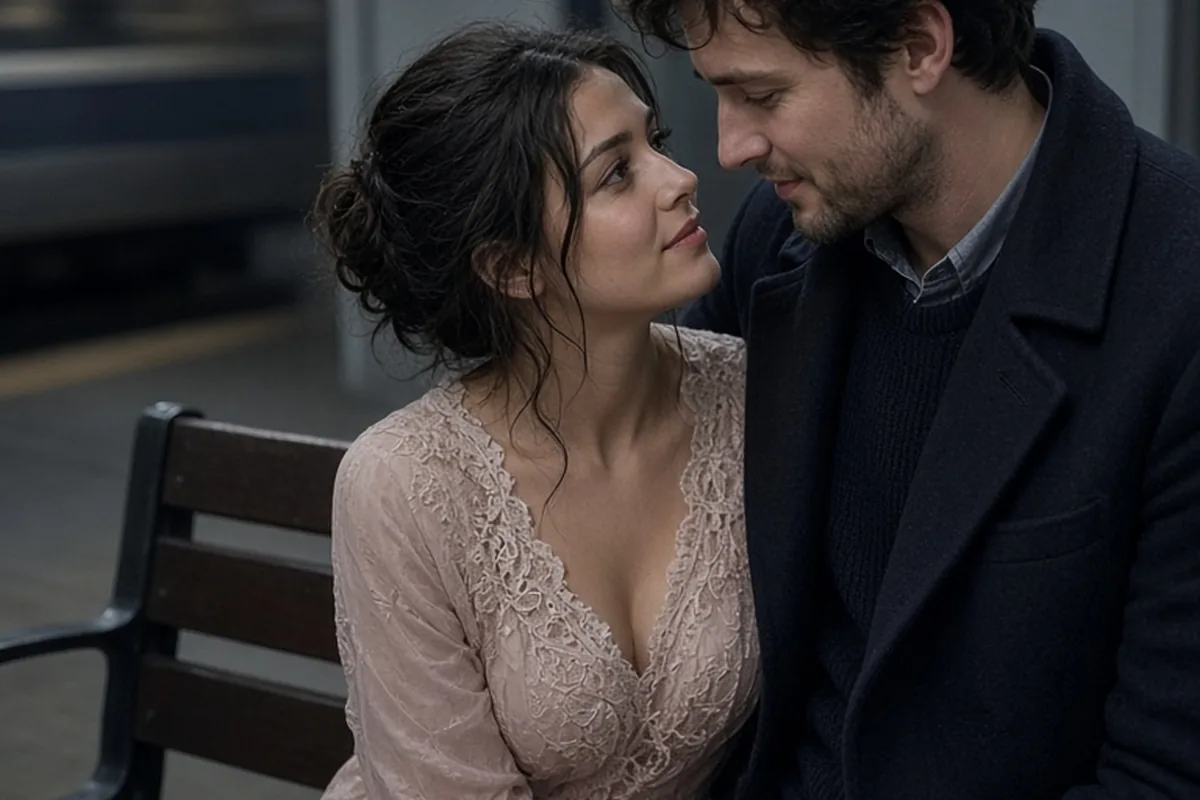
Wedding dress sizing for small weddings centers on balancing accurate body measurements against venue practicalities and garment flexibility. Traditional bridal gowns run one to two sizes smaller than regular clothing, whereas off-the-rack, ready-to-wear, and vintage options follow standard retail sizing. For intimate ceremonies, size toward your largest measurement across the bust, waist, or hips, and prioritize adjustable closures or forgiving fabrics. This ensures all-day comfort during seated dinners and accommodates condensed planning timelines without requiring extensive structural alterations.
Intimate gatherings, elopements, and micro-weddings change how you experience your wedding attire. Without a massive auditorium or a distant altar to create separation, your guests will view your gown up close, making proper fit, posture comfort, and fabric drape far more noticeable throughout the celebration.
Bridal Sizing Charts Versus High-Street Retail Sizing
One of the most frequent surprises for brides planning an intimate event is the discrepancy between traditional bridal sizing and everyday street sizing. Most heritage bridal design houses base their size patterns on European couture specifications established decades ago. As a result, a bride who consistently wears a standard street size 6 or 8 in contemporary ready-to-wear clothing may find herself measuring as a size 10, 12, or even 14 on a traditional bridal designer chart. This variance is entirely mechanical and reflects pattern drafting traditions rather than physical changes, but misunderstanding it can lead to stressful purchasing errors.
Small weddings often open up non-traditional shopping avenues, such as contemporary ready-to-wear labels, online capsule collections, and independent boutique designers. Unlike heritage bridal salons, these modern fashion houses usually follow current vanity sizing standards. Consequently, if you are ordering a slip dress, a tailored bridal suit, or a minimalist gown from a standard womenswear label, your usual retail size is far more likely to fit than if you purchase from a bespoke bridal atelier. Before placing any order, you must locate the specific sizing chart for that individual designer and match your current measurements directly to their metric or imperial guidelines rather than relying on the number printed on the tag.
How to Accurately Measure Your Proportions for an Intimate Ceremony
Because an intimate celebration places you in close contact with your guests during quiet vows and seated family dinners, gaping armholes, slipping strapless bodices, or pulled hip seams will be plainly visible. Obtaining exact measurements requires a flexible vinyl tape measure and, ideally, the assistance of a trusted friend or tailor. Stand upright on a level floor with your feet placed together, maintaining natural posture without holding your breath or pulling your core inward. Measurements should be taken while wearing the specific undergarments, shapewear, or bra style you intend to wear under the gown, as foundational layers can shift circumferences by an inch or more.
To record your bust measurement, wrap the tape around the fullest part of your chest, keeping the tape horizontal across your back and parallel to the floor. Next, identify your natural waist, which is the narrowest point of your torso, typically located an inch or two above your belly button; avoid measuring where your jeans sit, as gowns rest higher on the natural frame. For your hips, wrap the tape around the widest projection of your buttocks while standing naturally. When comparing your results to a gown chart, identify which measurement is furthest outside the standard size bracket. In structured gowns without stretch, sizing to accommodate that single largest measurement is essential, because tailoring down excess fabric is consistently easier than releasing tight seams.
Sizing Alternative Silhouettes: Tea-Length, Midi, and Bridal Separates
Small weddings frequently invite alternative silhouettes that move away from heavy cathedral ballgowns toward tea-length dresses, sleek midi cuts, tailored jumpsuits, and two-piece bridal separates. Sizing these shorter or segmented garments introduces unique proportional criteria. For example, tea-length and midi hemlines rely heavily on your vertical torso and leg proportions. A dress designed to hit mid-calf on an average height model may fall awkwardly at the ankle on a petite bride or cut uncomfortably high on a taller bride, disrupting the intentional balance of the silhouette. In these designs, the waist-to-hem length and natural waistline placement are just as critical as raw circumference numbers.
Bridal separates, such as a silk camisole paired with a full tulle skirt or a structured crop top worn over wide-leg trousers, offer an exceptional sizing advantage for small weddings. Many individuals have different sizes on top compared to their lower half, such as a narrow bust paired with wider hips or an athletic shoulder line combined with a slim waist. Purchasing separates allows you to choose an independent size for each half of your body, drastically reducing the cost and complexity of post-purchase alterations. When selecting separates, focus on securing an exact waist fit for the bottom piece, while allowing sufficient room across the bust and shoulder blades in the top piece to enable seamless arm movement during your toast and embrace.
Garment Features That Offer Sizing Forgiveness and Comfort
When planning a micro-wedding or casual celebration, selecting a gown with engineered flexibility can save significant tailoring time and expense. Traditional bridal gowns rely on rigid boning, heavy canvas interlinings, and invisible zippers that offer zero tolerance for natural biological fluctuations. In contrast, designs featuring lace-up corset backs allow you to expand or contract the torso circumference by up to two full inches simply by tightening or loosening the ties. This feature provides peace of mind for brides planning on compressed timelines or those prone to stress-related weight fluctuations.
Fabric composition also plays a decisive role in sizing forgiveness. Modern micro-wedding brides often gravitate toward stretch crepe, bias-cut silks, knit linings, and delicate elasticized waistbands. A bias cut naturally drapes over contours and yields slightly with body movement, eliminating the rigid tension lines that appear when a standard woven fabric is slightly too tight. Similarly, wrap-style gowns and soft A-line dresses accommodate slight shifts in hip and waist measurements without pulling at the seams. Choosing a flexible construction ensures you remain comfortable through an extended five-course dinner or an impromptu walk through outdoor photo locations.
Sizing Risks and Workarounds for Sample Sales and Pre-Owned Dresses
Many small wedding timelines are accelerated, running anywhere from three weeks to four months, which precludes ordering a standard bridal gown that takes half a year to manufacture. brides in this position frequently purchase off-the-rack floor samples or pre-owned gowns from resale platforms. While this approach is practical and budget-friendly, sample garments carry inherent sizing variables. Floor samples have been tried on by dozens of people, meaning the fabric, armholes, and zipper tracks are often stretched beyond the original specifications indicated on the designer label. A sample tagged as a size 10 might currently measure closer to an 11 or 12 in the bust and waist due to continuous handling.
Pre-owned garments present the inverse challenge: almost every pre-owned wedding dress has already been tailored to fit the original owner's unique proportions. Even if the tag displays a standard size, the former bride may have shortened the torso, taken in the waist, or narrowed the shoulder straps. When buying pre-owned, request the exact current flat measurements of the altered garment rather than trusting the original tag size. Additionally, verify whether the original seamstress left the seam allowances intact inside the dress. If excess fabric was trimmed away during the first alteration, letting the gown back out to accommodate a broader frame will be mechanically impossible.
Tailoring Boundaries: What Can Realistically Be Taken In or Let Out
The universal guidance in bridal fashion is to buy a dress that fits your largest measurement and hire a skilled seamstress to take in the rest. However, this strategy has strict mechanical limits that every bride should understand before purchasing. As a rule, a garment can generally be taken down by two full sizes without altering the fundamental architecture of the design. If you attempt to reduce a gown by three or more sizes, the armholes will migrate toward the chest, the bust cups will sit too close together, side seams will shift toward the front, and built-in boning will warp, often resulting in an expensive reconstruction rather than a simple adjustment.
Letting a gown out is far more restricted than taking it in. Contemporary mass-manufactured garments and minimalist ready-to-wear gowns rarely include more than a quarter-inch of extra fabric in the side seams, which provides practically no room for expansion. High-end bridal gowns occasionally include up to one inch of usable seam allowance, but relying on this buffer is risky because needle puncture marks, fabric fading, or stitch residue may remain visible once the original seam is unpicked. If you find yourself caught between two sizes on a sizing chart and the silhouette is structured without elastane, ordering the larger size remains the only reliable path to a clean tailored finish.
Fitting for Movement: Dinner Seating, Uneven Surfaces, and Day-Long Comfort
A large wedding often features structured timelines where the bride stands through receiving lines, steps onto an elevated stage, and changes into an alternate reception outfit. Small weddings, by contrast, are intensely personal and physically immersive. You may be climbing stairs at a historic courthouse, stepping across cobblestone streets, walking on a manicured lawn, or sitting in a narrow restaurant booth for hours of shared conversation. Sizing your dress must account for these realistic physical activities rather than judging the fit solely while standing motionless in front of a three-way mirror.
During your initial try-on and subsequent tailoring fittings, intentionally sit down in a firm chair to evaluate how the fabric behaves across your midsection and thighs. A fitted sheath or mermaid gown that feels impeccably sculpted while standing can exert severe, painful pressure across your ribs and pelvis when seated. Ensure that the armholes allow you to lift a champagne glass and hug your family members without tearing delicate mesh or pinching your underarms. Furthermore, adjust your hemline to hover approximately one-half to one inch above the walking surface when paired with your chosen footwear, preventing dirty hemlines and trip hazards on non-traditional terrain.
Frequently asked questions
Can I trust high-street clothing sizes when buying a dress for a small wedding?
Yes, standard high-street brands typically use contemporary ready-to-wear sizing charts rather than traditional bridal sizing. However, you should still measure your bust, waist, and hips with a flexible tape measure and compare them to the specific brand chart before ordering, as individual cuts can run narrow through the ribcage or hips.
How far in advance should I finalize my wedding dress sizing for a micro-wedding?
If you are purchasing an off-the-rack or ready-to-wear dress, purchase it at least two to three months before the event to allow adequate time for professional tailoring. For custom or salon-ordered dresses, ordering six to nine months ahead remains standard, with final alteration fittings scheduled roughly four to six weeks prior to the wedding day.
What is the best way to handle sizing if I plan on losing or gaining weight?
Select a gown that features adjustable structural elements, such as an open back with lace-up ties, a wrap closure, or fabric woven with elastane. Always purchase the size that fits your body at the moment of ordering, as taking a dress in closer to the wedding date is far safer and more reliable than attempting to expand a garment that arrives too small.
Why does my bridal gown feel tighter across the ribs than my everyday clothes?
Wedding dresses frequently incorporate heavy internal corsetry, boning, and non-stretch lining designed to hold structure without shifting. Everyday clothing usually contains synthetic stretch or sits lower on the hips, whereas formal gowns anchor directly to the ribcage and natural waist, creating a distinctly snug sensation.
Your next step
Take your three core body measurements using a soft vinyl tape while wearing your planned undergarments, and compare those exact numbers directly against the designer's specific size chart to select the size matching your largest proportion.