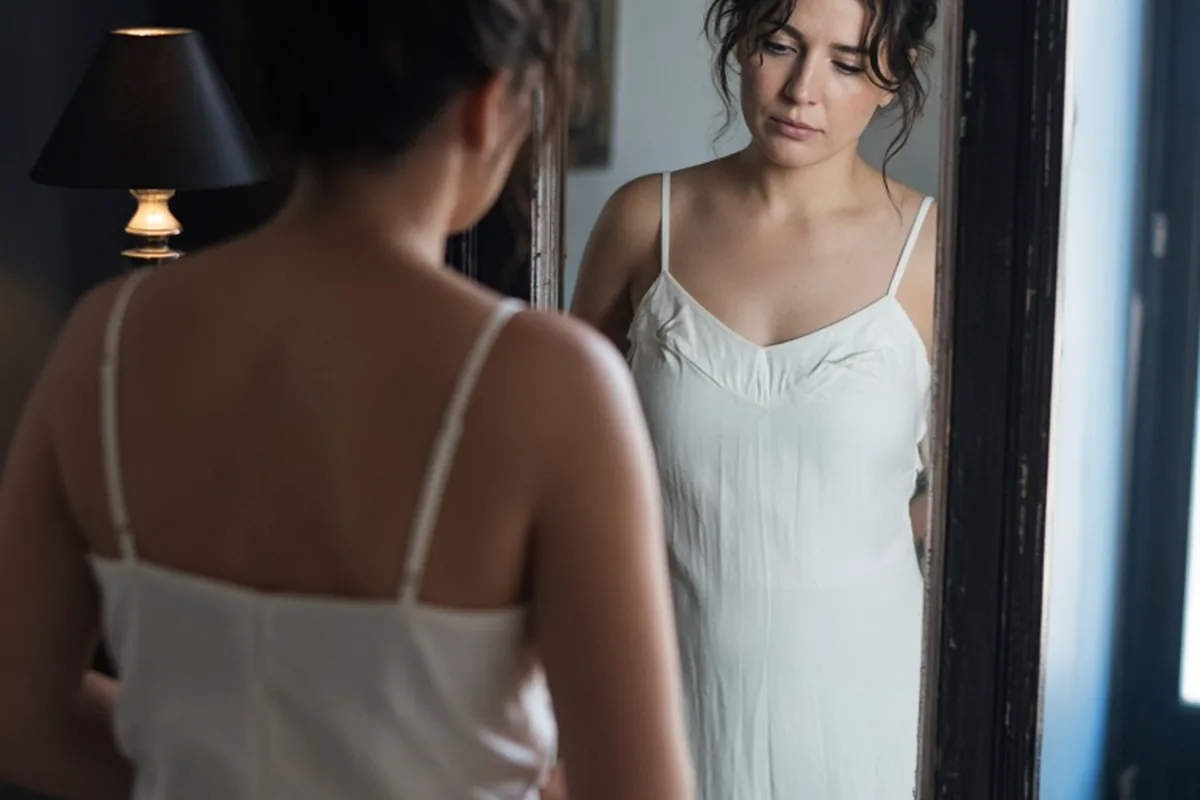
To manage wedding dress sizing on a budget, choose your size based on your largest body measurement compared to the designer's specific chart, rather than your standard everyday clothing size. Gowns are significantly easier and less expensive to take in than to let out. Opting for flexible features like corset backs, simple hem designs, and minimal beading along side seams prevents complex structural tailoring, which keeps overall alteration expenses manageable.
Navigating bridal sizing can be unexpected for many shoppers who assume formalwear follows modern everyday clothing standards. Bridal sizing often runs smaller than regular off-the-rack garments, and ordering the wrong size can lead to extensive and expensive structural adjustments. Approaching gown sizing with a clear understanding of designer measurement charts, garment construction, and tailoring limitations helps preserve your overall wedding budget.
Why Bridal Sizing Differs from Everyday Street Sizes
Most standard women's apparel utilizes vanity sizing, where labeled sizes have expanded over recent decades to accommodate changing manufacturing norms. Bridal design houses, by contrast, largely adhere to European or legacy sizing charts established decades ago. Consequently, a bride who wears a specific size in everyday jeans or tops will frequently measure into a bridal gown that is two to three sizes larger on a formal chart. This discrepancy is entirely standard across the wedding industry and reflects historical garment grading rather than an individual's actual body shape.
Bridal gowns are also engineered with rigid internal architecture, including multi-layered linings, built-in bust cups, horsehair braid hems, and synthetic or metal boning. Unlike contemporary knitwear or stretch denim, bridal textiles such as silk mikado, structured satin, organza, and heavy crepe offer minimal mechanical stretch. Because the fabric will not mold itself around the body naturally, the garment must be ordered to fit the widest point of the torso and then sculpted down by a skilled professional.
Taking Accurate Bust, Waist, and Hip Measurements at Home
Securing exact measurements is the single most effective way to avoid expensive ordering mistakes when buying online or through a discount retailer. You will need a flexible vinyl measuring tape rather than a metal retractable tape, which cannot curve flush against the body. When measuring the bust, wrap the tape around the fullest part of the chest while wearing the exact style of undergarments or shapewear you plan to wear beneath the gown. The tape should remain parallel to the floor across your shoulder blades without pulling taut into the skin.
For the natural waist, locate the narrowest portion of your torso, which usually sits an inch or two above your belly button. Bend gently to one side to confirm where your waist naturally creases, then measure across that circumference while exhaling normally. To capture the hip measurement, stand with your feet placed together and wrap the tape around the widest projection of your buttocks and upper thighs. If a gown requires a hollow-to-hem measurement for custom length ordering, measure from the center depression at the base of your throat straight down to your desired hemline while wearing your intended heel height.
The Budget Strategy of Sizing Up Instead of Sizing Down
When your measurements span two different sizes on a designer's size chart—for example, your waist matches a smaller size while your bust or hips align with a larger size—the safest and most economical choice is to order the larger size. Taking in a wedding dress along existing side seams is a routine procedure that most professional alterations specialists can perform efficiently. In contrast, enlarging a dress requires extra seam allowance, which modern mass-market manufacturers rarely include in large quantities inside the bodice.
If a gown is too small, a tailor must create custom side gussets, source matching lace or dye-matched illusion mesh, or structurally rebuild the closure into a lace-up panel. These extensive structural modifications demand significant labor hours and specialized craftsmanship, driving alteration costs higher than the original purchase savings. Choosing the size that fits your widest dimension guarantees that the fabric will physically close, leaving only straightforward reduction work for the seamstress.
Gown Silhouettes and Details That Keep Tailoring Costs Low
The overall shape of a dress directly dictates how many areas must be fitted by a tailor. A-line, ballgown, and empire silhouettes are inherently budget-friendly because they fit closely only through the bust and natural waist, flowing freely away from the hips. This means that if your hip measurement falls into a larger size category, you do not need to size up for the skirt or pay for hip adjustments. In contrast, mermaid, trumpet, and sheath cuts require precise tailoring through the bust, waist, hips, and upper thighs, multiplying the number of adjustment points.
Bodice construction and closure types also impact long-term tailoring expenses. Gowns with lace-up corset backs provide several inches of built-in flexibility, allowing the wearer to loosen or tighten the torso without any sewing. Conversely, hidden zippers, delicate illusion button rows, and deep plunge necklines with unlined mesh require exact millimeter fitting. Choosing gowns with simple side seams free of intricate beadwork, delicate appliques, or heavy embroidery ensures that a tailor can open and close the seams quickly without having to hand-remove and resew decorative elements.
Evaluating Sizing Risks at Sample Sales and Consignment Boutiques
Purchasing an off-the-rack sample or pre-owned gown offers substantial upfront savings, but sizing inconsistencies present hidden financial risks. Bridal salon samples are handled and tried on by dozens of shoppers, which frequently causes fabrics like crepe or bias-cut satin to stretch over time. A sample dress labeled as a specific size may fit looser in the waist or bust than a brand-new factory order of that identical size. Inspect the zipper tracks, hook-and-eye closures, and inner boning channels to verify that previous strain has not permanently distorted the silhouette.
When considering a pre-owned dress from a private seller or consignment shop, always request the previous owner's exact body measurements rather than relying on the tag size. Most pre-owned gowns have already been hemmed, taken in, or fitted with custom bust cups. Ask the seller whether any fabric was trimmed away during their alterations; if a prior seamstress cut the inner seam allowances, you will not be able to let the dress back out. As a general rule of thumb for budget planning, do not purchase a sample or pre-owned dress that is more than two sizes larger than your current frame, as altering a dress down by more than two sizes requires deconstructing the entire bodice and neckline.
Key Alteration Components to Factor Into Your Overall Budget
Gown purchase prices represent only the starting figure of your attire budget; almost every wedding dress requires some degree of customization before the event. The most common baseline alterations include shortening the hemline, raising or lowering the shoulder straps, taking in the side seams, and constructing a bustle to secure the train during the reception. The complexity of these tasks increases if the skirt features horsehair trimming, scallop lace edging, or multiple tiers of crinoline and tulle that must each be individually hand-cut.
To prevent unexpected costs, research local independent bridal seamstresses in your area well before making a final gown purchase. Request itemized estimates based on specific dress features rather than broad package rates. Factor in the timeline as well, since rush fittings scheduled within a few weeks of the ceremony carry significant surcharge fees. Setting aside dedicated funds for tailoring from the beginning ensures you make purchasing decisions based on the combined cost of the gown and its required labor.
Questions to Ask Before Finalizing Your Gown Size Order
Before signing an order agreement with a bridal boutique or completing an online checkout, ask the sales associate or customer support representative for the manufacturer's exact measurement chart. Inquire specifically about where your measurements fall across all three dimensions and request clarification on whether the designer's fabric contains elastane or structural stiffness. If you are between sizes, ask whether the manufacturer offers split-sizing options, which allow brides with differing bust and hip proportions to order a custom-graded garment directly from the production line.
Additionally, clarify the store's exchange, return, and cancellation policies regarding sizing errors. Standard bridal boutiques rarely accept returns on made-to-order dresses, placing full financial responsibility on the customer once the order sheet is signed. Ask the consultant to document your taken measurements on the sales slip alongside the chosen size so you have a written record if a factory manufacturing defect occurs. If buying online, verify the return window and check whether restocking fees apply if the garment fails to match the provided size chart.
Illustrative Scenarios
Comparing Upfront Gown Sizing Decisions on a Fixed Tailoring Budget
A bride with a size 6 bust and size 10 hips evaluated two off-the-rack sample gowns priced identically. Gown A was a fitted crepe mermaid in size 6 with heavily beaded side seams, while Gown B was an A-line satin dress in size 10 with clean seams and a plain skirt. To fit Gown A, a tailor would need to unstitch beaded appliques, insert custom side panels into the hips, and resew the beadwork by hand. To fit Gown B, the tailor only needed to take in the simple bodice along the side seams, as the full skirt naturally accommodated the hip measurement without modification.
Key point: Selecting a silhouette that accommodates your largest measurement naturally eliminates the need for extensive, labor-intensive tailoring across complex fabric areas.
Frequently asked questions
Can a wedding dress be altered down by three or four sizes?
While technically possible, reducing a wedding dress by more than two full sizes usually requires completely deconstructing and recutting the bodice, armholes, and skirt panels. This extensive structural overhaul often distorts original design proportions and results in labor costs that can exceed the price of the dress.
Is it cheaper to replace a zipper with a corset back or alter the side seams?
Converting a zipper closure to a lace-up corset panel is often comparable in price to standard side seam intake, but it provides continuous adjustability for weight fluctuations. It is particularly cost-effective if a gown is slightly too small, as it expands the bodice without requiring fabric panel additions.
What is the best way to save money on wedding dress hem alterations?
Choose a dress with a clean, raw, or unembellished hemline rather than one with intricate lace appliques or horsehair braid edging. Additionally, select your wedding footwear early so you can bring the exact heel height to your initial fitting, preventing multiple rounds of hem adjustments.
Your next step
Obtain a professional set of bust, waist, and hip measurements using a vinyl tape, and compare those exact numbers directly against the specific designer size chart before placing any dress deposit.