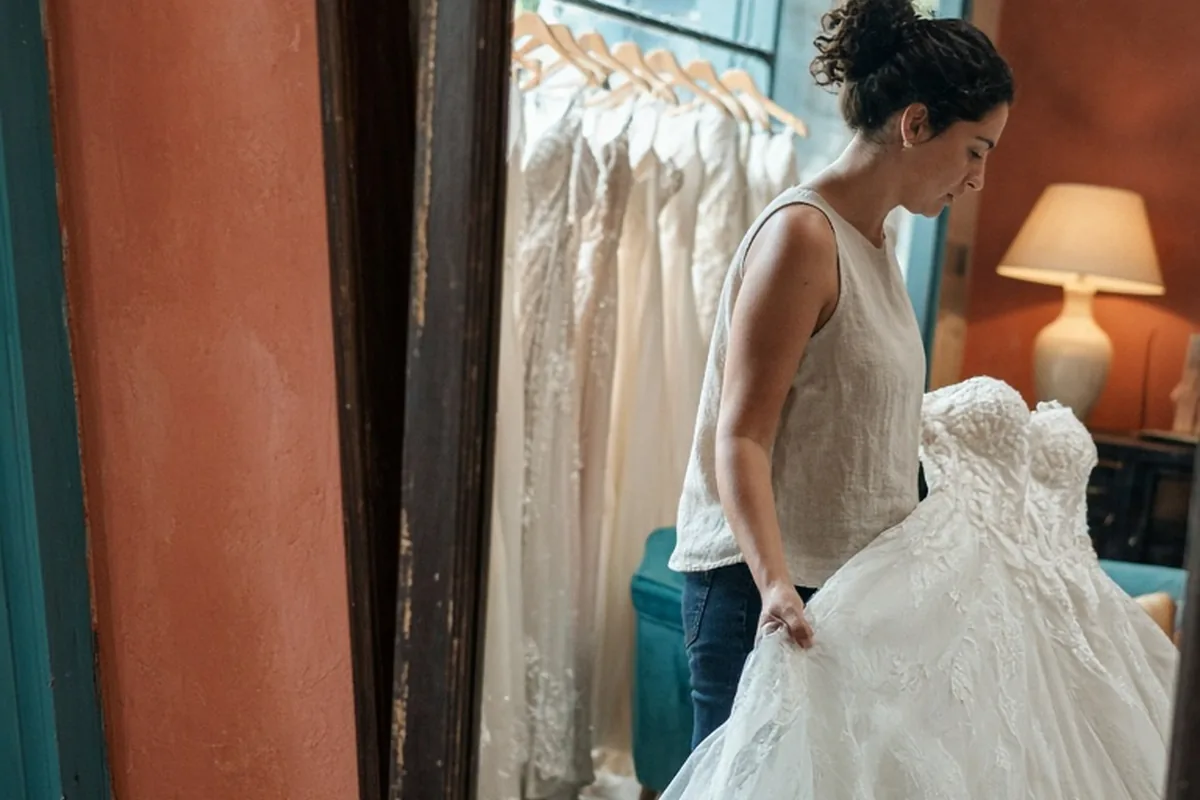
Wedding dress trunk shows offer limited-time discounts or buyer incentives on a specific designer's newest collection, typically hosted at bridal boutiques over a single weekend. To maximize savings on a budget, book your appointment early, research the featured designer's price range beforehand, and ask about event perks such as tiered percentage savings, custom hollow-to-hem measurements, or accessory credits. Because these discounts generally apply only during the event, shopping when you are prepared to make a purchasing decision secures the best value.
Bridal trunk shows present a unique opportunity to view an extended collection of gowns that a boutique does not regularly keep on its sales floor. For budget-conscious shoppers, understanding the financial mechanics of these weekend events can mean the difference between securing an elevated designer gown within your spending limit and encountering unexpected post-purchase costs.
How Bridal Trunk Shows and Event Discounts Actually Work
A bridal trunk show is a temporary promotional event where a designer sends their newest line, or sometimes an entire current collection, directly to a retail boutique for a short window, usually lasting two to three days. Under normal retail conditions, a bridal boutique purchases and stocks only a curated sample selection from any given designer. During a trunk show, however, the boutique receives multiple additional sample gowns on loan. In some instances, a representative from the design house or the designer themselves attends the event to provide styling consultations, discuss custom modifications, and assist with fit recommendations.
From a pricing standpoint, trunk shows differ from clearance sales. The gowns presented are typically brand-new, made-to-order designs rather than discounted floor samples. To encourage shoppers to purchase during the event rather than taking weeks to deliberate, boutiques and designers partner to offer specific promotional incentives. These incentives may take the form of an event-only price reduction, complimentary design customizations, or credits toward headpieces, veils, and jewelry. The primary trade-off is immediacy: trunk show promotions almost always require you to place your order and make a financial deposit during that specific weekend appointment.
Trunk Shows Versus Sample Sales: Choosing the Right Budget Path
Shoppers operating under a strict budget often weigh the benefits of attending a trunk show against shopping at a bridal sample sale. While both formats offer cost savings, they cater to fundamentally different timelines, sizing needs, and condition expectations. A trunk show allows you to order a brand-new dress manufactured in your standard size bracket directly from the designer's production facility. You receive an unworn gown with fresh fabric and full structural integrity, but the markdown is generally moderate because you are purchasing current-season merchandise.
In contrast, a sample sale involves purchasing existing floor models off the rack that multiple shoppers have already tried on. Sample sales frequently offer substantially steeper price cuts because the boutique is liquidating discontinued inventory or making space for incoming seasons. However, sample gowns can exhibit wear and tear, such as stretched seams, missing buttons, makeup marks, or damaged zippers. Furthermore, sample garments are sold as-is in a single fixed size, which may necessitate extensive structural tailoring to fit your frame. If you have an expedited wedding date or a very tight price ceiling, a sample sale may be advantageous. If you need standard production timelines, pristine fabric, and moderate savings on a specific label, a trunk show is usually the better fit.
Calculating Total Gown Expenses Beyond the Event Price Tag
A common budget misstep is treating the discounted ticket price of a gown as the final total cost of your bridal attire. Bridal purchases involve several mandatory downstream expenses that are rarely included in promotional event pricing. Tailoring is almost always required, as made-to-order gowns are cut to standard proportional charts rather than bespoke measurements. Depending on the complexity of your dress—such as multi-layered horsehair hems, intricate lace appliqués, built-in corsetry, or detailed bustle configurations—alterations can represent a significant percentage of your overall apparel budget.
Beyond tailoring, prospective buyers must account for regional sales taxes, boutique shipping fees, undergarments, shoes, and post-wedding cleaning or preservation. If your wedding date falls within a compressed timeframe, the boutique may also need to apply a rush manufacturing charge from the designer, which can easily erase any savings gained through the trunk show discount. To protect your finances, establish your maximum all-inclusive number before walking into the salon, and ask the consultant to account for estimated alteration tiers and taxes when pulling gowns for you.
Timing Your Appointment and Preparing Before You Step in the Salon
Because trunk show slots fill quickly and require rapid purchasing decisions, thorough preparation beforehand is essential. First, research the featured designer's standard retail price range on the designer's website or by calling the salon directly. If a designer's baseline price begins well above your ceiling, even a promotional trunk show discount will not make the collection affordable. Confirming the baseline prevents you from falling in love with a silhouette that remains financially out of reach.
Additionally, trunk shows are rarely the ideal setting for a first-ever bridal appointment. If you are entirely uncertain about which silhouettes, fabrics, or necklines suit your body, the pressure of a same-day promotional deadline can lead to decision paralysis or impulsive commitments. It is often more effective to visit a salon beforehand to test different dress cuts, identifying your preferred shapes. When you finally attend the trunk show, you can focus specifically on evaluating the designer's execution, fit, and promotional value with confidence.
Questions to Ask Boutiques Before Booking a Trunk Show Slot
Before reserving your spot on the salon's schedule, contact the boutique coordinator to clarify event parameters and financial policies. Gathering these operational facts in advance ensures there are no surprises when you arrive for your fitting.
Use this checklist of inquiries when planning your trunk show visit:
- What specific incentive or discount structure is being provided during this event?
- Does the boutique charge an appointment or cancellation fee, and is that fee credited toward a gown purchase?
- What is the standard production timeline for this specific designer, and will my wedding date require rush production fees?
- Are custom sizing adjustments, such as hollow-to-hem length modifications, covered under the event promotion?
- What percentage of the total purchase price is required as an initial deposit to place the order during the event?
- Does the salon handle alterations on-site, and can the team provide a written estimate of typical tailoring costs for this designer's styles?
Making the Final Decision Under Same-Day Promotional Deadlines
The defining challenge of trunk show shopping is navigating the expiration deadline. Sales consultants and designer representatives may remind you that the pricing promotion is valid only for that weekend, which can generate emotional urgency. While this urgency is rooted in the practical reality of the loaner collection leaving the store, you should never allow the fear of missing a discount to override serious reservations about fit, comfort, or your overall budget.
If you find a gown that falls strictly within your budget and meets all your style criteria, moving forward during the event allows you to lock in the savings. Before authorizing your non-refundable deposit, carefully review the purchase agreement. Ensure that all promised incentives—such as accessory credits, discount percentages, or specific style modifications—are explicitly itemized in writing on the order invoice alongside the agreed-upon sizing measurements and estimated delivery window.
Illustrative Scenarios
Balancing Production Timelines and Event Promotions
An engaged shopper with a firm apparel budget visited a boutique trunk show after narrowing her preferred silhouette to an A-line cut. By researching the featured designer in advance, she knew the base prices aligned with her spending limit. During the appointment, the boutique offered an event incentive that bundled a minor price reduction with a waived hollow-to-hem measurement charge. Because she had already tried on similar shapes previously, she was prepared to place the required deposit on the spot, successfully securing the made-to-order gown without exceeding her total allocation for alterations and accessories.
Key point: Pre-appointment style research combined with a clear understanding of additional tailoring fees enables shoppers to make confident, budget-aligned commitments during limited-time trunk show promotions.
Frequently asked questions
Can you negotiate trunk show discounts at a bridal boutique?
Most bridal boutiques adhere to strict minimum advertised pricing agreements set by the designer, meaning standard retail prices cannot be arbitrarily lowered. However, you can politely ask if the salon can package additional value into the order, such as applying your appointment fee toward the balance or offering a courtesy credit on a veil or accessory.
Are wedding dresses bought at trunk shows final sale?
Yes, nearly all made-to-order bridal gowns purchased through trunk shows are strictly final sale and non-refundable once the production order is transmitted to the designer. Because the manufacturer cuts the gown specifically according to your order measurements, boutiques do not accept returns or order cancellations.
How far in advance should I attend a trunk show before my wedding?
It is best to attend a trunk show nine to twelve months prior to your wedding date. Made-to-order designer gowns typically require four to eight months for manufacturing and shipping, followed by an additional two to three months for multiple alteration fittings.
What happens if the trunk show dress arrives and does not fit?
Trunk show gowns are ordered based on standard size charts that match your closest bust, waist, and hip measurements taken during your appointment, not tailored from scratch to your exact contours. You will still need professional bridal alterations to adjust the fit, shorten the hem, and secure the bodice once the dress arrives at the salon.
Your next step
Contact your local bridal boutiques to review their upcoming trunk show calendars, confirm the price ranges of the featured designers, and book an appointment with a firm budget ceiling in place.