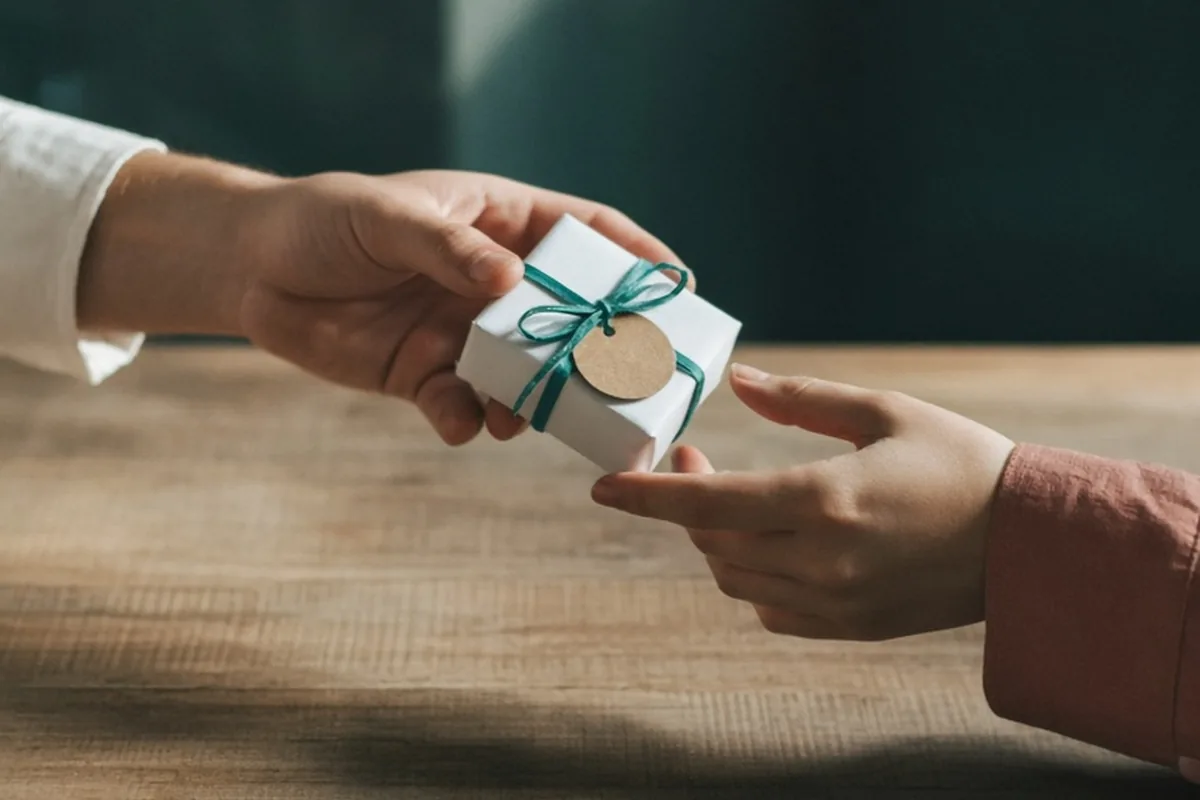
Wedding favors are generally worth it only if they are edible, highly functional, or culturally meaningful to your celebration. For most couples, traditional trinkets and monogrammed keepsakes are not worth the expense, as venue coordinators routinely report high volumes of leftover items at the end of the night. Reallocating those funds toward guest comfort, better food, or late-night entertainment often creates a significantly better guest experience.
Deciding whether to allocate part of your wedding budget to physical favors is a common dilemma during the planning process. While gifting a small token of appreciation has long been considered standard etiquette, shifting priorities around event spending and guest comfort have led many modern couples to reevaluate the practice entirely.
Why Traditional Wedding Favors Frequently Get Left Behind
One of the clearest ways to evaluate the worth of wedding favors is to look at what happens at the end of a typical reception. Event coordinators, catering staff, and cleanup crews frequently pack up boxes of abandoned favors from dining tables, bar tops, and linen-draped exit displays. When favors are left behind, the return on investment drops to zero, turning a well-intentioned gesture into direct financial and material waste.
The primary reason traditional favors fail to resonate with guests is the mismatch between personal sentimental value and everyday utility. Items permanently stamped with the couple's names, initials, or wedding date—such as shot glasses, plastic sunglasses, coasters, or ceramic ornaments—hold profound meaning for the hosts but very little practical application for the attendees. Most guests already have established home decor and kitchenware, making them hesitant to integrate personalized novelty items into their daily routines.
Travel constraints also play a major role in favor abandonment. Out-of-town guests traveling with carry-on luggage cannot easily pack fragile glassware, heavy paperweights, or liquid items like mini bottles of syrup or alcohol that exceed airport security allowances. When a gift requires delicate handling or presents logistical hurdles for the trip home, guests often choose the simplest path: leaving it on the table.
Comparing Guest Impact: Favors Versus Experiential Upgrades
To determine whether favors make sense for your overall budget, compare their cost against experiential elements that directly impact how guests feel throughout the celebration. When you multiply a small individual item price across a full guest list, the total sum often equals the cost of an upgraded hospitality feature that everyone can enjoy simultaneously.
Consider what else that money could fund. Redirecting your favor budget can easily cover a late-night food station serving hot sliders, artisan pizza, or warm churros as the reception winds down. It could fund a dedicated shuttle service to transport out-of-town guests safely between the hotel and the venue, upgrade your bar package to include local craft beers, or add extra hours with a live band or photo booth. These enhancements actively improve the atmosphere and leave a lasting positive impression.
Guests rarely remember the small decorative item placed beside their water glass, but they vividly recall whether the food was delicious, the drinks were readily available, and the party was energetic. Focusing your financial resources on comfort and celebration almost always yields higher guest satisfaction than handing out individual physical objects.
Edible and Usable Wedding Favors That Provide Real Value
If you decide that offering a tangible gift is important for your celebration, choosing the right category makes the difference between a cherished takeaway and discarded clutter. Edible favors consistently have the highest take-home rate because they require no long-term storage and offer immediate gratification during the journey home or the morning after.
Regional food specialties are particularly effective because they introduce guests to local flavors while serving as a tasty souvenir. Options like small jars of raw local honey, miniature bottles of cold-pressed olive oil, bags of fresh roasted coffee beans from a neighborhood roastery, or individually boxed pastries from a favorite bakery feel thoughtful and premium. To make edible gifts inclusive, consider shelf-life, temperature sensitivity in warm venues, and prominent ingredient labeling for guests with common food allergies.
When opting for non-edible favors, prioritize universal functionality and keep the branding discreet. Items like custom matchboxes with elegant typography, cold-process botanical soaps, packets of regional wildflower seeds, or quality loose-leaf tea tins are practical additions to any home. A helpful guideline is to place names and wedding dates on removable tags or secondary packaging rather than permanently printing them onto the object itself, allowing the item to blend naturally into the recipient's daily life.
When Skipping Wedding Favors Is the Right Decision
Eliminating favors entirely is not a breach of etiquette; in many circumstances, it is the most sensible decision for both your budget and your planning timeline. When wedding expenses begin to climb, favors should be among the very first items evaluated for potential removal because their absence does not diminish the quality of the celebration.
Destination weddings represent a clear scenario where skipping physical favors is actively helpful. Guests already invest significant financial resources and effort into travel, lodging, and logistics to attend. Rather than giving them physical items they must pack into their luggage, hosting a casual welcome gathering, providing practical welcome bag essentials upon check-in, or simply offering a heartfelt verbal toast is far more appreciated.
Couples planning minimalist or eco-conscious weddings also frequently bypass physical gifts to reduce environmental impact. Single-use trinkets, plastic packaging, and ribbon contribute unnecessary waste to municipal landfills. By omitting favors, you align your event with sustainability goals while freeing up valuable planning bandwidth in the final weeks before your wedding date.
Charitable Donations and Sustainable Alternatives to Physical Favors
A meaningful alternative to purchasing material items is making a charitable donation in honor of your guests. This approach redirects money that might otherwise be spent on disposable trinkets toward an organization or cause that reflects your shared values as a couple.
When executing a charitable favor, presentation and tone are essential. Avoid overly elaborate displays that cost as much as physical favors to produce. Instead, place a single, beautifully framed informational card near the guestbook or include a concise note on the printed dinner menu explaining that a donation has been made to a specific nonprofit organization. Selecting a charity with broad, positive community impact—such as a local food pantry, animal rescue, or environmental conservation fund—ensures the gesture resonates across a diverse guest list.
Other sustainable alternatives integrate directly with your existing event design. Potted herbs, small flowering plants, or succulents used as reception centerpieces can double as favors that guests are invited to take home at the conclusion of the evening. This dual-purpose strategy maximizes your floral budget while ensuring nothing living goes to waste after the party ends.
How to Budget and Source Favors Without Overspending
If you move forward with purchasing favors, calculating quantities correctly is the primary safeguard against unnecessary spending. Never order one favor per individual name on your master guest list. Children rarely need adult favors, couples living in the same household usually take only one shared item, and last-minute attendance drops will naturally reduce the total count.
A reliable purchasing formula is to order one favor per adult couple or household, plus a modest buffer of ten to fifteen percent for single guests and keepsakes. Sourcing items directly from wholesale suppliers, local producers, or commercial distributors rather than dedicated wedding novelty retailers will significantly lower your per-unit costs.
Be cautious when considering do-it-yourself (DIY) favors as a money-saving tactic. While buying bulk ingredients or raw materials can appear inexpensive initially, the cumulative costs of cellophane bags, custom ribbons, adhesive labels, and specialty packaging tools add up quickly. More importantly, assembling dozens or hundreds of individual packages requires substantial labor during the week immediately preceding the wedding, creating avoidable stress during an already busy time.
Distribution Logistics to Ensure Guests Actually Take Their Gifts
The way you display and distribute favors directly determines whether guests notice and claim them. Placing individual items directly at each place setting ensures that every seated guest interacts with the favor during dinner, resulting in much higher take-home rates than placing them in a passive, out-of-the-way corner.
If your favors are fragile, perishable, or bulky, setting up a dedicated favor station near the primary exit or coat check is the safest logistical choice. To ensure guests do not walk past the table unnoticed at the end of the evening, use clear, visible signage that warmly invites them to take one. You can also ask your DJ, band leader, or coordinator to make a brief announcement during the final dance set.
Always appoint a specific person—such as a trusted family member, wedding planner, or member of the wedding party—to manage any remaining inventory at the conclusion of the event. Having a designated plan for leftovers ensures that extra edible treats are brought home or distributed to venue staff rather than being discarded during midnight breakdown.
Frequently asked questions
Is it considered rude not to give wedding favors?
No, it is not considered rude to skip wedding favors. Modern wedding etiquette recognizes that hosting guests with quality food, beverages, and hospitality is the primary expression of gratitude. Guests do not expect physical gifts and rarely notice their absence.
How much should a couple spend on wedding favors?
There is no mandatory amount to spend on favors. Costs vary widely depending on the chosen item, packaging materials, and total guest count. If favors do not fit comfortably within your overall budget without compromising primary guest hospitality, it is best to allocate those funds elsewhere.
What are the most popular wedding favors that guests actually keep?
Consumable items consistently have the highest success rates among wedding guests. Baked goods, local coffee, honey, specialty spices, and artisanal treats are widely favored because they provide immediate enjoyment without cluttering the home.
Should we provide one wedding favor per person or per couple?
For household items, framed goods, or larger culinary gifts, providing one favor per couple or household is standard practice. If you are offering small individual treats, place-card cookies, or miniature drinks, plan for one per seated adult guest.
Your next step
Review your overall wedding budget today and decide whether allocating funds toward edible treats or experiential hospitality upgrades offers greater value to your guests than traditional physical keepsakes.