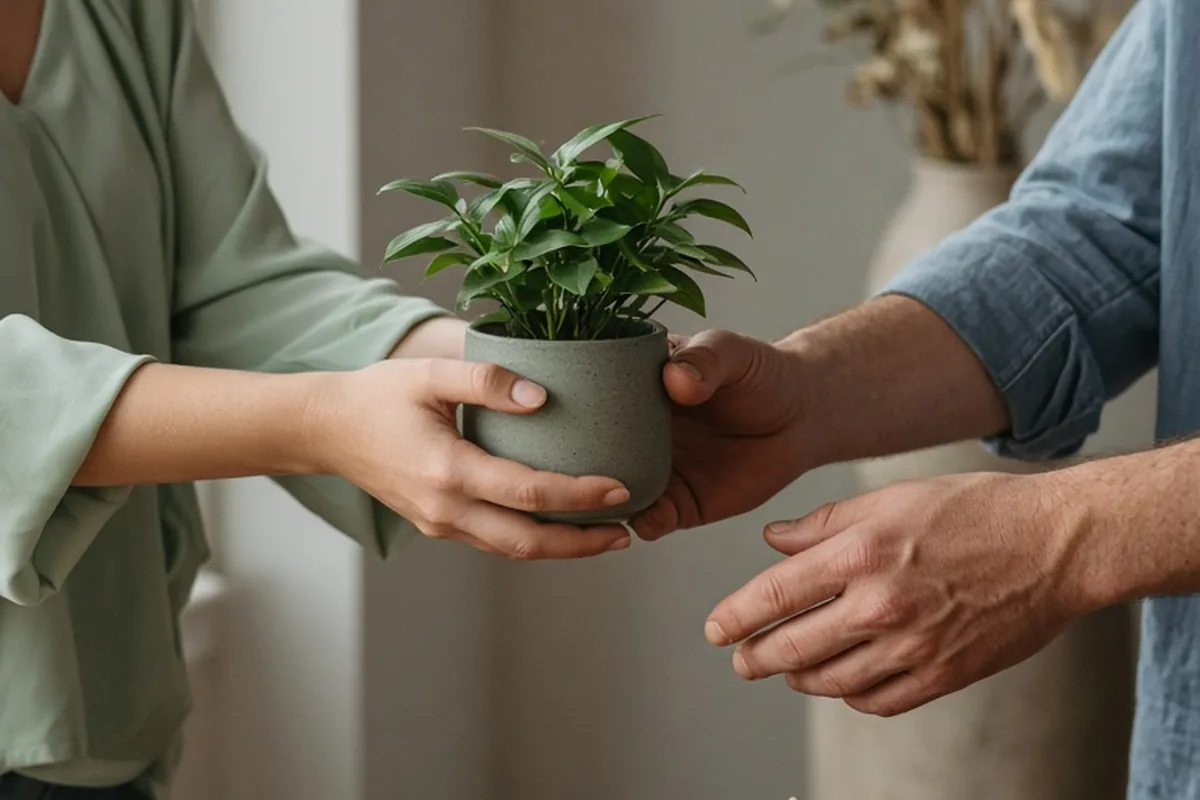
Wedding flower alternatives replace or supplement fresh cut blooms with materials such as potted plants, lush greenery garlands, taper and pillar candles, dried or preserved botanicals, wooden or paper flowers, and architectural lighting. Choosing these non-floral or semi-floral elements reduces day-of wilting risks, eliminates strict seasonal sourcing constraints, and allows couples to repurpose decor easily after the event, whether as home decor, gifts for guests, or recyclable accents.
While fresh floral arrangements have long been a wedding standard, shifting design preferences, seasonal availability limitations, allergy concerns, and personal aesthetic choices have driven widespread interest in alternative styling methods. Deciding to bypass or reduce traditional fresh stems opens up hundreds of creative textures, architectural elements, and lasting keepsakes that traditional floral design cannot offer.
Potted Plants and Living Foliage for Sustainable Styling
Potted botanicals provide an immediate organic presence without the rapid perishability of cut stems. Living plants such as potted ferns, olive trees, fiddle-leaf figs, rosemary topiaries, and structured succulents bring rich texture, depth, and volume to aisle runners, altars, and reception tables. Because the root systems remain intact, living plants resist wilting in warm outdoor conditions or dry, air-conditioned indoor spaces, maintaining their fresh appearance from morning photography through the end of the evening.
Sourcing living plants involves establishing relationships with regional wholesale nurseries or local garden centers rather than traditional floral distributors. When planning a plant-forward design, consider container aesthetics and transport practicalities. Heavy ceramic or terracotta planters can dramatically increase setup labor and transport vehicle requirements, so lightweight plastic nursery pots slipped into decorative brass urns, woven baskets, or tailored fabric wraps often work best. After the celebration, living potted plants double as thank-you gifts for attendants, permanent additions to your personal home garden, or donations to community centers and care facilities.
Candlescapes and Ambient Lighting Centerpieces
Candlescapes shift the visual focus of a venue from color and petal texture to warm, dynamic illumination and shadow. Clustering varying heights of pillar candles, delicate taper tapers in brass or ceramic holders, and votives across dining tables creates an intimate atmosphere that transforms naturally as daylight fades into evening. Clear glass hurricane sleeves or cylinder vessels not only protect flames from outdoor breezes and HVAC currents but also reflect candlelight across glassware and polished flatware to amplify the room's glow.
When designing a lighting-focused concept, you must assess table dimensions and guest sightlines alongside venue fire safety regulations. Low-profile candle clusters allow guests to converse easily across dinner tables, while elevated candelabras add vertical drama without obstructing faces if the central stem is narrow. In venues where historic preservation rules or municipal fire codes prohibit open flames, high-grade battery-operated LED wax candles with realistic flickering wicks provide an indistinguishable visual effect without heat, smoke, or fire hazards.
Preserved Botanicals, Dried Grasses, and Sola Wood Flowers
Preserved and dried elements offer the botanical silhouettes of traditional floristry alongside long-term durability and muted, textural color palettes. Dried materials such as pampas grass, bleached ruscus, bunny tails, seed pods, eucalyptus, and lavender provide dramatic architectural lines that hold their shape indefinitely. Sola wood flowers, crafted from the renewable bark of the tapioca or balsa plant, can be hand-dyed to match specific wedding palettes and combined with dried greenery to build bouquets and centerpieces that look remarkably organic.
A primary logistical advantage of dried and wooden botanicals is the timeline flexibility they provide. Unlike fresh arrangements that must be assembled within twenty-four to forty-eight hours of the event, dried displays can be designed, arranged, and approved weeks or months in advance. Storage requires a cool, dry, dark environment to prevent premature color fading or moisture absorption. Couples should note that certain dried grasses can shed fine fibers or carry natural herbal scents, making gentle handling during unpacking and setup essential.
Fabric, Silk, and Premium Faux Floral Rentals
High-end artificial florals, often constructed from silk, polyester blends, or real-touch polyurethane coatings, replicate the exact visual characteristics of out-of-season or delicate blooms like gardenias, peonies, and hydrangeas. Modern floral rental services maintain extensive inventories of luxury faux installations, including grand floral arches, hanging floral chandeliers, and lush table runners. Because these pieces are rented rather than purchased outright, couples often gain access to grander visual scales than custom fresh installations would permit under identical logistics constraints.
When incorporating faux florals, placement strategy determines how convincing the effect appears. Using premium silk florals for elevated overhead arches, hanging installations, or wall backdrops keeps them just beyond close guest inspection, where lighting and form matter far more than tactile realism. For bridal bouquets or personal wearable items that receive close-up photographic scrutiny and physical handling, combining high-grade faux stems with preserved greenery or real ribbon textures creates a natural, balanced look.
Sculptural Paper Blooms and Book Page Craftsmanship
Paper artistry transforms cardstock, Italian crepe paper, vintage sheet music, or discarded book pages into intricate, handcrafted floral representations. Talented paper artists can recreate specific botanical structures, from layered garden roses to delicate sweet peas, capturing fine petal curls, color gradients, and stamens. Beyond visual interest, paper flowers allow personal storytelling by incorporating pages from favorite literature, poetry, or travel maps into personal bouquets and boutonnières.
While paper creations are immune to temperature swings and wilting, they carry distinct environmental vulnerabilities to moisture and crushing. Outdoor events with high humidity, morning dew, or rain forecasts require clear protective covers during transit and strict indoor staging until the ceremony begins. Paper bouquets should be stored upright in sturdy boxes with adequate spacing between petals to prevent flattening during transport.
Produce Runners, Fruit Bowls, and Edible Centerpieces
Incorporating whole fruits and vegetables into tablescapes introduces vibrant, natural colors and rich Old World European styling. Whole pomegranates, green pears, clusters of deep purple grapes, lemons, figs, and miniature squashes bring saturated tones and substantial weight to table runners when woven through olive branches or placed in low ceramic compotes. In addition to aesthetic appeal, using whole, uncut produce minimizes single-use waste, as the fruit can be consumed or composted following the reception.
Executing an edible display requires food-safe handling protocols and temperature awareness. Whole, uncut fruit holds up significantly better than sliced items, which attract insects and oxidize rapidly when exposed to air. When styling tables alongside catering staff, verify that fruits are thoroughly washed, dried to avoid staining table linens, and positioned away from direct, high-heat taper candle flames that could scorch skins or accelerate spoilage during an extended dinner service.
Venue Rules and Practical Setup Logistics for Non-Floral Decor
Transitioning away from conventional cut florals changes your event day setup checklist, vendor coordination, and cleanup responsibilities. Traditional florists handle delivery, on-site staging, water maintenance, and teardown as part of their comprehensive service. When sourcing alternatives independently—such as buying nursery plants, assembling candle groupings, or renting faux arches—you must designate specific team members or coordinators to oversee the transportation, placement, lighting, and post-event removal of every element.
Venue agreements often contain specific clauses regarding non-floral decor materials. Review contract language for restrictions on uncontained open flames, hanging weight limitations for structural beams, soil exposure rules on historic flooring, and cleanup requirements for dried botanical shedding. Establishing clear packaging protocols, such as using divided plastic totes for glass candle cylinders and padded crates for paper bouquets, ensures efficient load-in and protects your investment throughout the celebration.
Frequently asked questions
Can I mix fresh greenery with non-floral alternatives?
Yes, blending fresh hardy foliage such as salal, ruscus, or silver dollar eucalyptus with candles, wooden flowers, or fruit provides the fresh scent and organic movement of live stems while keeping the arrangement durable and structured. This hybrid approach allows you to minimize delicate cut blooms while maintaining a lush botanical backdrop.
Are wedding flower alternatives always less expensive than fresh flowers?
Not necessarily, as overall costs depend heavily on materials, labor, and craftsmanship. Intricate hand-cut crepe paper blooms, luxury silk rentals, and heavy architectural vessels can equal or exceed the price of standard fresh florals. However, alternatives often offer higher secondary value through post-event repurposing, home display, or resale.
How far in advance can I prepare non-floral bouquets and centerpieces?
Dried botanicals, sola wood arrangements, paper flowers, and candle holders can be designed, packed, and boxed weeks or months before the wedding day. Store them in climate-controlled spaces out of direct sunlight to protect them from dust, moisture, and premature color fading.
Your next step
Review your venue contract guidelines regarding open flame and hanging weight limits, then select two non-floral materials to test in a sample tabletop setup.