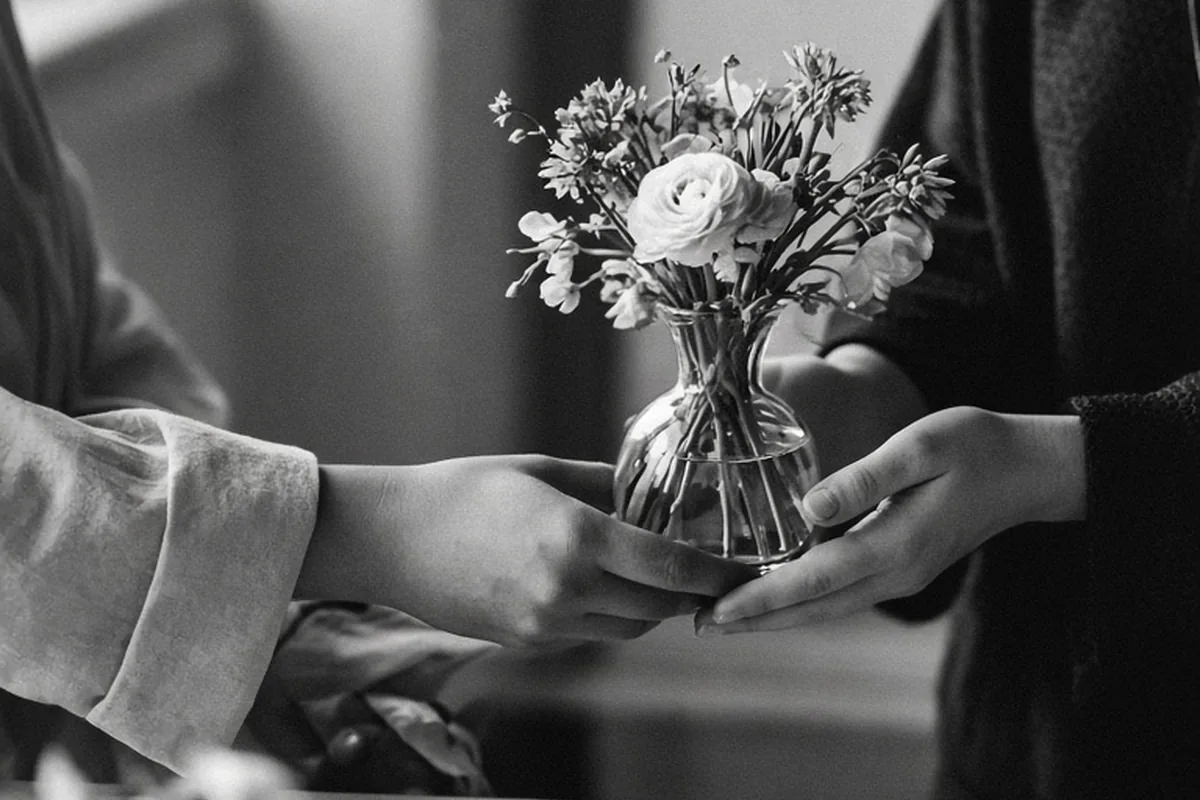
For small weddings, the most effective floral ideas focus on intimacy and visual proximity rather than sheer volume. Prioritize one statement backdrop, such as a ground arch or asymmetrical floral pillar, paired with low, conversational tablescapes using bud vases, sculptural compote bowls, and candlelight. Because guests sit closer to the arrangements, emphasize fragrant seasonal blooms, delicate textures, and multi-purpose pieces designed to move seamlessly from your ceremony site to your reception dining table.
Planning an intimate ceremony or micro-wedding offers an enviable styling opportunity: with fewer tables and open spaces to fill, floral decor can shift from mass-produced uniformity to bespoke, highly tactile design that guests can appreciate at arm's length.
Designing High-Impact Ceremony Backdrops for Compact Spaces
In a micro-wedding or small celebration, large traditional arbors can unintentionally swallow the room and dwarf the couple. Compact venues like private dining rooms, historic parlor spaces, small art galleries, or boutique garden patios demand ceremony installations that complement existing architecture without obstructing guest sightlines. Instead of a towering four-post canopy, grounded floral meadows and semi-circle floor installations offer a softer, contemporary alternative. These arrangements grow organically up from the floor, framing the couple at eye level while leaving the upper perimeter of the room open, which makes intimate spaces feel expansive rather than crowded.
Asymmetrical twin pillars represent another adaptable structure for smaller ceremonies. Built upon freestanding metal armatures or heavy urns, two non-identical floral columns can be positioned as wide or as narrow as your aisle requires. If you exchange vows in front of a working stone fireplace, a bay window, or an antique French door, flanking the focal architectural point with mismatched floral pillars honors the character of the venue. Because your guests will be seated only feet away from the altar space, prioritize intricate stem varieties like fluttering butterfly ranunculus, branching spray roses, cosmos, and delicate trailing jasmine vine over coarse, uniform greenery bundles.
- Grounded meadow clusters create an immersive garden feel without blocking sightlines in low-ceiling venues.
- Freestanding asymmetrical columns can be adjusted to any room width or moved quickly after the vow exchange.
- Focal wall or mantelpiece installations turn an existing architectural feature into a natural, space-efficient altar.
Intimate Reception Tablescapes: Bud Vases, Compotes, and Runners
When designing reception flowers for a guest list of twelve to fifty people, table shape dictates your floral architecture. Small weddings frequently utilize a single long banquet table or two parallel family-style tables rather than scattered rounds. Tall, top-heavy centerpieces on elevated pedestals often feel out of place in these close quarters, physically dividing the group and impeding cross-table conversation. Low-profile compote arrangements, placed in footed ceramic or aged brass vessels, anchor the table at a comfortable height that sits well below eye level when seated.
To achieve movement and dimension along a continuous rectangular table, alternate shallow compotes with collections of petite glass or stoneware bud vases. Varying the height, shape, and stem count in each bud vase creates an artful, curated look reminiscent of a botanical collection. You can place single hero stems—such as open garden roses, speckled hellebores, or fringed tulips—alongside sprigs of textured foliage and taper candles in glass hurricane chimneys. This scattered approach also leaves ample room for shared platters, wine bottles, and artisan bread baskets, ensuring the tablescape balances visual elegance with functional dining comfort.
- Low footed compotes keep blooms below eye level so dinner conversations flow without obstruction.
- Mixed bud vases allow you to spread delicate, high-grade focal stems along the entire length of a communal table.
- Layering varied candle heights between mini floral groupings adds warmth and soft illumination to the floral textures.
Repurposing Small Wedding Flowers Between Ceremony and Dinner
One of the primary logistical benefits of an intimate wedding is the feasibility of repurposing ceremony flowers for your dinner reception. In massive ballroom weddings, moving dozens of arrangements across a sprawling campus within a short cocktail hour requires significant crew labor. In contrast, an intimate gathering usually features a concentrated number of high-quality arrangements that can easily serve dual purposes. Grounded ceremony meadows designed in modular, foam-free trays can be picked up immediately following the recessional and lined up at the base of the sweetheart table, placed along the front edge of the bar, or arranged along an entrance corridor.
Similarly, aisle markers tied to end chairs or seated in discrete ceramic bowls can transition directly to cocktail high-tops or dinner tables. To pull off this transition smoothly, establish a concrete operational plan before the wedding day. Designate your professional florist, a day-of coordinator, or a hired venue assistant to handle the transfer; wedding party members should never be tasked with carrying wet floral mechanics while dressed in formalwear. Ensure the mechanics are self-contained and leak-proof, using waterproof floral dishes, moss coverings, and floral frogs or Agrawool instead of exposed water reservoirs that could drip onto reception linens.
- Aisle entrance arrangements can be transferred directly to bar stations and guestbook tables during cocktail hour.
- Modular ceremony floor boxes line up neatly along the perimeter of the head table or mantlepiece for dinner.
- Waterproof vessel liners prevent drips and water stains during swift room flips handled by professional coordinators.
Selecting Botanicals and Scents for Close-Quarters Venues
In a micro-wedding, olfactory impact becomes a tangible part of the guest experience. In a vast church or outdoor tent, floral fragrance dissipates rapidly into the surrounding air. In a cozy greenhouse, private dining salon, or boutique library, heavily scented flowers can quickly overpower the room and interfere with the aroma and taste of your plated meal. Avoiding overly potent, heady blooms like open Oriental lilies, heavy tuberoses, and dense paperwhite narcissus inside confined dining spaces protects guests from sensory fatigue or allergy flare-ups.
Opt instead for subtly fragrant or naturally botanical stems that lend a fresh, inviting aroma. Garden roses varieties bred for soft, tea-rose or fruity notes, sweet peas, delicate freesia, and scented geranium foliage contribute gentle fragrance without dominating the room. You can also weave culinary herbs into your arrangements—such as silvery olive branches, flowering mint, dark purple basil, and rosemary sprigs. These culinary botanicals create a sensory connection between the botanical decor and the dining experience, reinforcing the warmth and hospitality characteristic of an intimate gathering.
- Moderate fragrance levels by balancing lightly scented garden roses with unscented stems like ranunculus, lisianthus, and astilbe.
- Incorporate culinary elements like rosemary, sage, and mint to complement the reception meal naturally.
- Omit high-pollen and intensely perfumed lilies to avoid staining garments and triggering guest sensitivities.
Personal Flowers and Accent Stems for Smaller Guest Lists
With a smaller wedding party—or no wedding party at all—your floral budget and creative energy can expand beyond uniform, production-line bouquets. The bridal bouquet can become an exquisite, personalized art piece featuring rare heirloom stems that might be cost-prohibitive in bulk quantities, such as delicate fritillaria, tree peonies, Japanese sweet peas, or rare clematis blooms. Without the need to coordinate ten identical bouquets, you can work with your floral designer to build an organic, loose composition tailored precisely to your silhouette, gown fabric, and personal style.
Consider extending distinctive floral touches to your guests as well, transforming personal florals into tokens of shared celebration. For an intimate dinner of twenty guests, individual place settings can be styled with a single, water-tubed accent blossom resting on a linen napkin alongside a hand-calligraphed menu card. Pocket boutonnieres—floral arrangements mounted on slim structural cards that slide directly into a suit pocket rather than pinning through fabric—provide a modern, refined detail for parents and close family members. Subtle wearable floral accessories, like botanical hair combs, wired floral rings, or delicate cuff bracelets, also honor key attendees in a way that feels intentional and tailored.
- A bespoke bridal bouquet can showcase rare, specialty cuts without the strain of scaling across numerous attendants.
- Pocket boutonnieres eliminate pins, offering a clean, contemporary silhouette that preserves delicate suit fabrics.
- Individual botanical sprigs placed on dinner menus welcome each guest with personal, tactile hospitality.
Pricing Factors, Minimums, and Vetting Florists for Micro-Weddings
Navigating vendor hiring for a small wedding requires an understanding of floral industry business models. Many independent floral designers enforce peak-season minimum investment thresholds to ensure that their limited operational dates cover overhead, labor, and wholesale wholesale packing units. Because wholesale cut flowers must be purchased by the bundle or case rather than single stems, designing for a tiny guest list can result in stem wastage unless the designer takes an intentional, multi-event approach or offers specialized micro-wedding packages. When vetting florists, ask directly how they accommodate intimate weddings and whether they have flat booking minimums for your intended date.
If your wedding budget does not align with a designer's full-service on-site production minimum, ask about studio pickup or 'a la carte' menu options. A la carte services allow you to purchase a cohesive set of items—such as a bridal bouquet, matching boutonnieres, and a collection of pre-made compotes or bud vase buckets—which you or a trusted friend pick up on the morning of the event. To accurately compare quotes across vendors, request an itemized breakdown that clearly separates the cost of hard goods (vessel rentals, mechanics, candles) from perishable botanical stems, delivery charges, setup labor, and post-event strike fees.
- Inquire early about designer minimum spending limits, particularly for peak weekend dates between spring and autumn.
- Evaluate studio pick-up packages for simplified floral needs that do not require complex on-site construction.
- Request transparent line-item estimates detailing rental charges, stem varieties, delivery fees, and breakdown costs.
Illustrative Scenarios
Repurposing Grounded Meadow Florals for an Intimate Farmhouse Table
A couple hosting thirty guests in a converted carriage house wanted an organic ceremony backdrop without crowding the room or exceeding their design budget. Their florist built five curved, low-lying floral meadow boxes filled with local peach ranunculus, white lisianthus, spirea branches, and soft greenery using eco-friendly agra-wool blocks. During the ceremony, the boxes formed an intimate horseshoe around the couple. During the forty-five-minute cocktail hour in an adjoining courtyard, the wedding coordinator transferred the modular boxes inside, placing three continuously down the center of the communal dining table and two at the base of the espresso bar, creating a lush dining installation without requiring additional floral purchases.
Key point: Modular, floor-based arrangements equipped with handles and waterproof trays allow small events to achieve two distinct, high-impact design moments for the price of one setup.
Frequently asked questions
How many floral arrangements do I realistically need for a small wedding?
The arrangement count depends directly on your layout rather than your total guest count. For a typical intimate wedding of twenty to forty guests, one ceremony focal backdrop, one bouquet, one or two boutonnieres, and five to seven low centerpieces (or ten to fifteen bud vase groupings) provide complete, cohesive visual coverage.
Are bud vases cheaper than traditional compote centerpieces for small weddings?
Bud vases often cost less in raw floral materials because they utilize fewer total stems, but they require significant placement labor and vessel rental volume. When paired with candles and spread over long tables, the overall investment is often comparable to shallow compotes, though bud vases offer a lighter, more modern aesthetic.
Can I arrange my own wedding flowers for an intimate wedding to save money?
DIY arranging is feasible for very simple setups like single-stem bud vases, but it introduces substantial logistics on your wedding morning. Cut flowers require cool storage, daily water changes, precise conditioning, and stem trimming twenty-four to forty-eight hours prior to the event, which can add unnecessary stress to an intimate celebration.
How do I ensure flowers do not block my guests from talking across the table?
Keep all tabletop floral designs either under twelve inches tall or elevated above fourteen inches on pencil-thin metal stands. In small wedding settings, low arrangements measuring between six and ten inches from table to bloom tip offer the most reliable clearance for natural, comfortable eye contact.
Your next step
Sketch your reception table layout with exact dimensions, then contact three local floral designers to ask whether they offer dedicated micro-wedding packages or flexible studio pickup collections.