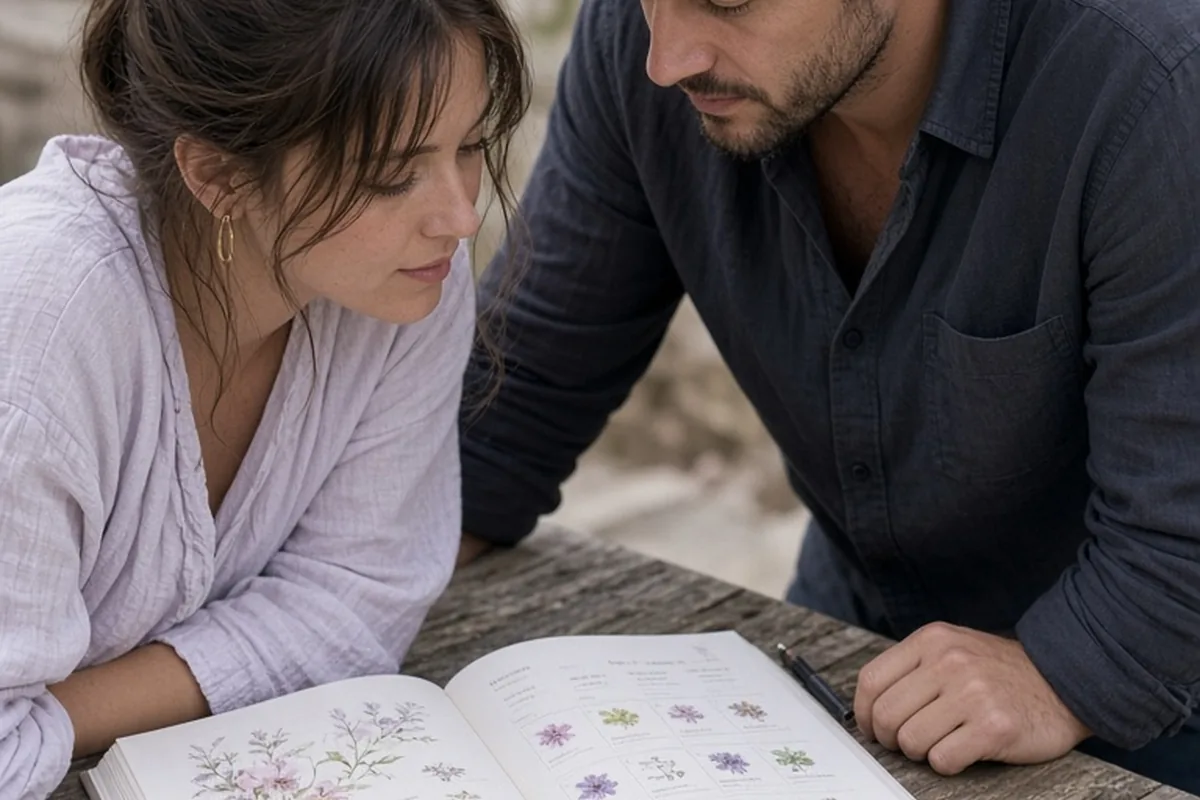
Wedding flowers in season are blooms harvested during their natural regional flowering cycle or during reliable greenhouse supply peaks. Choosing seasonal flowers ensures sturdier stems, richer color expression, and better resilience through long event days. Spring highlights peonies, ranunculus, and sweet peas; summer brings garden roses, dahlias, and lisianthus; autumn emphasizes chrysanthemums, amaranth, and textured foliage; while winter features hellebores, amaryllis, and anemones. Seasonality also reflects regional shipping routes and temperature tolerances.
Floral arrangements often establish the visual atmosphere and tactile mood of a wedding, yet many couples start planning with inspiration photos that do not match the calendar of their wedding date. Understanding the natural rhythm of cut flowers helps you select stems that remain vibrant from early morning photography through the final reception dance, while minimizing the risks of heat collapse, shipping delays, or emergency morning-of compromises.
Spring Blooms and Their Delicate Handling Requirements
Spring offers some of the most sought-after wedding flowers in the entire floral calendar, marked by soft petal structures, pastel palettes, and delicate scents. Peak spring varieties include garden peonies, multi-petaled ranunculus, sweet peas, lilac branches, Dutch tulips, fritillaria, and Japanese spiraea. Many of these stems awaken naturally as soil temperatures rise between March and late May. Ranunculus and anemones thrive in early spring because they prefer cool nights and moderate daytime temperatures, which keep their stems rigid and prevent premature petal drop. Peonies arrive in a short, intense window that varies by latitude, transitioning from southern growing zones northward as the season advances.
While spring flowers provide unmatched romance and airy silhouettes, they present specific mechanical challenges that require careful event-day management. Stems such as sweet peas and lilacs transpire water rapidly and wilt quickly if subjected to direct sun or dry indoor air conditioning. Tulips continue to elongate and bend toward light sources after being cut, which can alter the intentional lines of a centerpiece or bridal bouquet within several hours. Florists manage spring stems by conditioning them in climate-controlled spaces, utilizing deep water reservoirs rather than floral foam whenever possible, and keeping bridal bouquets refrigerated until right before pre-ceremony portraits.
Summer Varieties Built for Vibrant Palettes and Heat Endurance
Summer wedding flowers, active from June through late August, must withstand elevated temperatures, outdoor ceremony exposures, and dry atmospheric conditions. Popular seasonal anchors for summer include garden roses, lisianthus, cosmos, sunflowers, zinnias, scabiosa, delphinium, and mid-to-late summer dahlias. Lisianthus is especially valuable for summer celebrations because its bell-shaped blossoms mirror the ruffled appearance of heirloom roses while possessing thick, waxy petals and sturdy stems that hold moisture reliably throughout high-heat afternoons.
Hydrangeas are frequently requested for summer weddings due to their cloud-like volume and broad color variety, but they require significant caution. Hydrangeas drink water not only through their woody stems but also absorb moisture across their petal surfaces; an exposed, breezy outdoor setting will dehydrate them rapidly. If you plan an outdoor summer wedding, pairing robust field-grown flowers like echinacea, gomphrena, and garden roses with heat-tolerant foliage such as olive branches or myrtle provides visual depth while eliminating the constant stress of monitoring water-sensitive blooms.
Autumn Textures, Rich Pigments, and Late-Season Harvests
Autumn floral design shifts focus toward deep jewel tones, earthy ochres, and complex, layered textures that reflect the changing landscape from September through November. Dinnerplate and ball dahlias reach their absolute peak form in early to mid-autumn, producing dense petal architecture and vivid shades before the first killing frost terminates field production. Heirloom chrysanthemums, which look entirely distinct from ordinary grocery-store varieties, showcase quill, spider, and incurve petal formations in bronze, plum, copper, and dusty rose tones that elevate seasonal centerpieces.
Beyond focal flowers, autumn brings an array of textural ingredients that strengthen floral arrangements. Hypericum berries, snowberry branches, ornamental kale, sorghum, hanging amaranth, and fruited branches such as persimmon or crabapple introduce organic, sculptural forms into ceremony arches and bar installations. Foliage also transforms during these months, with varieties like smoke bush, copper beech, and turning oak branches offering dramatic tonal contrast without requiring artificially tinted or dyed plant material.
Winter Elegance and Cold-Tolerant Wedding Florals
Winter weddings between December and February present a striking aesthetic opportunity through crisp contrasts, structured forms, and cold-hardy botanicals. Hellebores, often known as winter roses, bloom naturally in cold ground, bringing nodding, watercolor-toned petals in slate, burgundy, blush, and speckled green. Amaryllis provides dramatic focal scale with thick, upright stalks and trumpet blossoms, while winter anemones feature dark, velvet centers that stand out sharply against crisp white petals. Paperwhites and potted winter bulbs can also add fragrance and architectural interest to guest tables.
The primary threat to winter flowers is not excessive heat but sudden temperature swings and freezing drafts. Flowers transported in unheated vans or left exposed on chilly loading docks can suffer cell damage that manifests as limp, blackened foliage or bruised petal edges once brought into heated venues. Successful winter floral planning relies on partnering with florists who use temperature-controlled delivery vans, secure protective wrapping during load-in, and balance delicate focal blooms with resilient evergreens, cypress, juniper berries, and silvery acacia foliage.
Regional Climate Realities Versus Global Sourcing
A common point of confusion during floral planning is the distinction between what is in season in your immediate town and what is in season internationally. Commercial flower distribution operates as a sophisticated global network. While a local farm in the Midwest may have zero field-grown garden roses in January, commercial growing basins in California, Colombia, Ecuador, and Kenya operate year-round under greenhouse climate control. Consequently, a stem that is out of season in your home garden may still be readily accessible at wholesale flower markets.
However, prioritizing regionally in-season blooms or domestically harvested stems carries tangible advantages over long-distance imports. Flowers grown closer to your wedding venue spend significantly less time in transit, undergo fewer refrigeration-to-warmth cycles, and avoid the physical crushing risks associated with tightly packed shipping boxes. Stems like fragile sweet peas, bearded irises, garden cosmos, and open garden roses rarely ship well over international distances without bruising, making local farm sourcing the superior path for delicate, natural movement and intense floral fragrance.
Designing Around Color Palettes Rather Than Rigid Floral Stems
The most effective approach to securing seasonal wedding flowers is establishing a flexible design brief built on color palettes, visual weight, and movement rather than an inflexible checklist of exact flower varieties. Outdoor weather fluctuations, unseasonal storms, and shipping delays can compromise specific crops on short notice. If an arrangement plan demands a single specific variety of blush garden rose, any weather disruption leaves you vulnerable to expensive last-minute substitutions or lower-grade stems.
Instead of requesting specific individual flowers, guide your floral designer with clear functional categories: focal blooms (large, round flowers like roses, dahlias, or peonies), secondary blooms (medium blossoms like ranunculus or lisianthus), line elements (vertical spikes like delphinium or snapdragons), and airy textures (spigots like astilbe or waxflower). When you agree on the overall aesthetic, palette thresholds, and textural balance, your florist can select the freshest, highest-grade blooms available at market that week without compromising your overarching design vision.
Contract Terms and Substitution Policies for Seasonal Flowers
Before finalizing agreements with a wedding florist, examine how your contract addresses stem availability, weather disruptions, and substitutions. Professional floral agreements typically include an industry-standard substitution clause. This clause grants the designer authority to replace an unavailable or poor-quality flower variety with an alternative stem of equal or greater value, maintaining the agreed-upon color spectrum and style without requiring panic-driven contract amendments on wedding morning.
Clarify with your florist how they handle sudden supply shifts and at what threshold they communicate changes with you. Ask whether their proposal reflects wholesale pricing projections, whether specific specialty stems require import surcharges, and how their team manages venue environmental conditions like glaring outdoor sun or windy cliffside exposure. Clear contractual boundaries reduce day-of surprises and empower your creative vendor to protect the visual integrity of your celebration.
Frequently asked questions
Can I obtain out-of-season wedding flowers if I have my heart set on them?
Yes, many popular varieties can be flown in from commercial international greenhouses outside their natural domestic window. However, doing so often entails higher shipping costs, increased risk of transit damage, and smaller blossom sizes compared to their regional peak season.
Why do hydrangeas wilt so quickly during outdoor summer weddings?
Hydrangeas have woody stems and broad, thin petals that transpire moisture rapidly when exposed to heat and wind. When their water uptake cannot keep up with evaporation, the blooms collapse, making them risky for outdoor summer installations unless placed in deep water sources.
Which wedding flowers are consistently available nearly year-round?
Standard commercial roses, carnations, calla lilies, lisianthus, and many varieties of orchids are cultivated continuously in greenhouse environments worldwide. This steady production makes them reliable staples regardless of the month you choose to marry.
How far in advance should my seasonal flower choices be finalized?
Your general palette and design concepts are typically set six to nine months ahead, while the specific stem order is generally locked in with wholesale markets four to six weeks before your event. This timeline ensures wholesalers can reserve crop allocations from regional farms.
Your next step
Review your wedding date against your regional blooming calendar, then schedule a consultation with your florist to outline a palette-based floral brief with pre-approved seasonal alternatives.