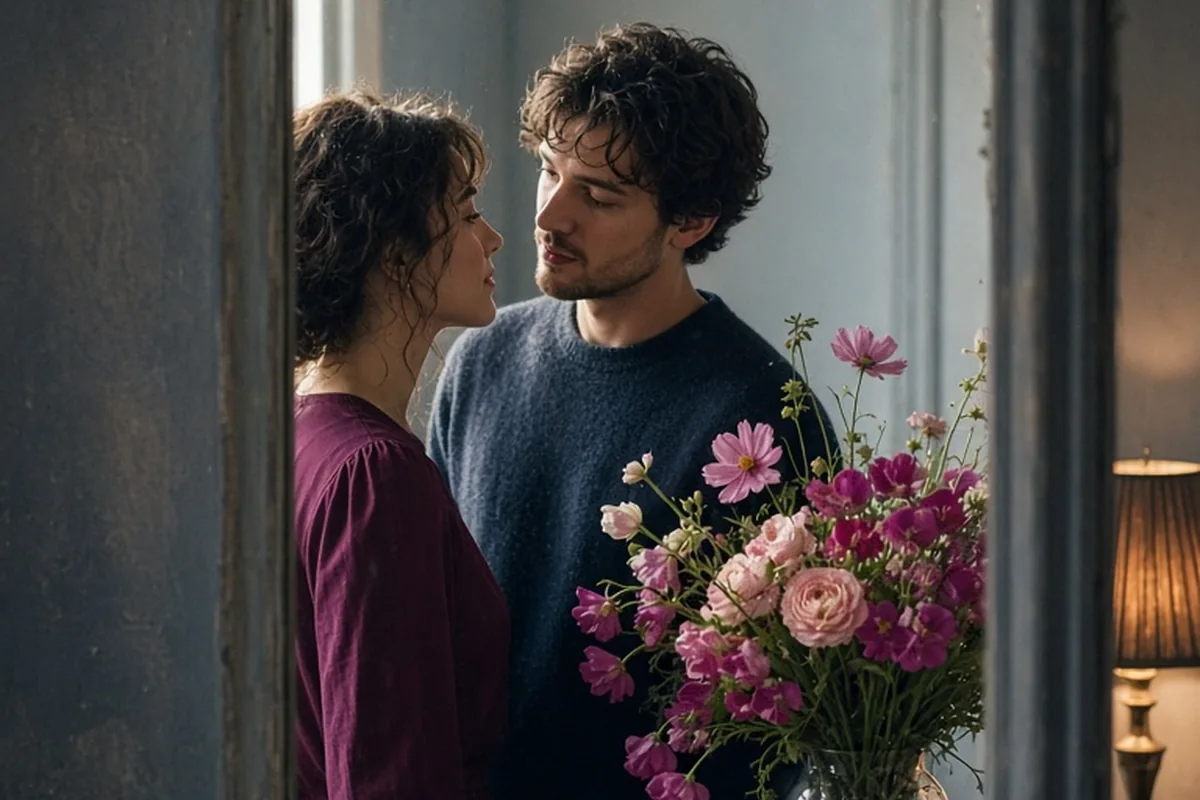
Choosing in-season wedding flowers for small weddings allows couples to maximize visual impact, fragrance, and freshness within intimate spaces. Spring welcomes ranunculus, sweet peas, and peonies; summer brings garden roses, dahlias, and cosmos; autumn features heirloom chrysanthemums, snowberries, and marigolds; winter highlights anemones, hellebores, and evergreens. Intimate celebrations benefit from high-grade, scent-conscious arrangements repurposed seamlessly between ceremony and dinner.
Designing floral arrangements for an intimate ceremony or micro-wedding requires a distinct aesthetic perspective. Because guests experience the setting at close range, individual stem quality, natural movement, and cohesive textures matter far more than sheer decorative mass.
Spring Bloom Selections for Intimate Ceremonies and Micro-Receptions
Spring offers an abundance of delicate, highly textured botanicals that excel in smaller spaces. During early to mid-spring, bulb flowers such as specialty tulips, narcissus, fritillaria, and Dutch iris provide architectural shapes and luminous color. Later in the season, garden favorites including ranunculus, sweet peas, lilacs, and tree peonies come into their prime. In an intimate setting where guests sit directly adjacent to floral arrangements, these blooms reward close observation with intricate ruffles, delicate veins, and natural, curling stems that rigid commercial imports cannot replicate.
When planning a spring palette for a small gathering, balance soft pastels with grounding foliage or contrasting depth. For example, pairing buttery butterfly ranunculus with deep chocolate cosmos or dark hellebores prevents pastel arrangements from looking washed out against white linens. Delicate branches—such as flowering quince, spiraea, or cherry blossom—can frame a small ceremony arch or stand in simple ceramic urns at an entrance without crowding limited floor space. Using seasonal spring stems also minimizes cold-storage wilting, as naturally cool spring temperatures help delicate petals hold their structure throughout a multi-hour gathering.
Summer Floral Recipes: Heat-Resilient Choices for Small Gatherings
Midsummer events require stems that maintain structural integrity in warm conditions, especially for courtyard celebrations, garden parties, or open-air patio receptions. Summer seasonality brings a generous spectrum of hardy, expressive flowers such as garden roses, zinnias, cosmos, feverfew, gomphrena, and mid-to-late summer dahlias. Lisianthus, which resembles a delicate rose but features naturally fibrous stems, performs reliably across hot afternoons and holds water efficiently in small compotes and bud vases.
For small tables, a curated collection of local summer blooms feels organic and effortless. A mix of airy textural ingredients—like nodding sea holly, scabiosa seed pods, and trailing amaranth—breaks up the visual density of heavy dinnerware. If your celebration takes place during peak afternoon sun, prioritize flowers harvested at the proper developmental stage; roses and dahlias should be slightly open but firm to the touch at the calyx. Keep arrangements shaded during early setup, and avoid placing delicate summer stems like sweet peas or hydrangeas directly beneath active air conditioning vents or in unfiltered direct sunlight.
Autumn Textures, Warm Palettes, and Architectural Stems
Autumn transitions the floral palette toward deep jewel tones, warm ochres, and intricate dried or fruiting elements. Seasonal late-season dahlias, disbud chrysanthemums, Japanese anemones, and marigolds provide rich saturation. Incorporating branches laden with seasonal berries—such as snowberry, hypericum, rosehips, and privet—introduces tactile dimension that feels directly connected to the landscape. Textural elements like dried grasses, wheat, and ornamental seed heads bring height without the dense visual mass that can overwhelm a small dining room.
Small weddings hosted in private dining rooms, rustic inns, or heritage venues pair naturally with the rich tonal depth of autumn blooms. Rather than building massive elevated centerpieces that block conversations across narrow banquet tables, focus on low, landscape-style arrangements. Combining heirloom chrysanthemums—celebrated for their feathery, spider-like, or incurve petal forms—with smokebush foliage and dark plum foliage creates dramatic visual contrast under warm indoor lighting. Ensure that all berry branches are thoroughly cleaned and defoliated along lower stems to keep vase water clear.
Winter Botanical Styling with Hellebores, Anemones, and Winter Greens
Winter weddings gain sophistication through clean structural lines, velvety textures, and contrasting botanical forms. Signature winter flowers include cold-hardy hellebores, black-centered Italian anemones, cyclamen, and winter-blooming amaryllis. Instead of standard holiday greenery, intimate winter designs benefit from layered, aromatic evergreens such as incense cedar, blue spruce, seeded eucalyptus, and glossy magnolia foliage. These materials provide a lush, rich foundation that complements the glow of ambient candlelight.
To keep a winter small wedding feeling intentional rather than seasonal by default, focus on sculptural balance. A low stone or ceramic vessel filled with snowy white anemones, pale green hellebores, dark privet berries, and trailing velvet ribbon establishes an elevated, moody elegance. Because indoor winter heating dries out cut stems rapidly, designs made with floral netting or pin frogs (kenzan) submerged in clean water consistently outperform foam-based setups. Make sure stems are cut with a clean angled slice and given several hours of deep hydration prior to assembly.
Repurposing Ceremony Arrangements to Reception Tables in Small Venues
Small weddings offer a unique spatial efficiency: because the guest count is concentrated, floral installations can easily serve double duty between the ceremony and the dinner. Ground-level floral meadows that flank the couple during vows can be built in interlocking modular trays. Once the ceremony concludes, helpers or your floral team can transfer these trays to frame the sweetheart table, accent a fireplace mantel, or line the base of a dessert display.
Similarly, freestanding statement urns set on plinths at the ceremony site can be transitioned to the venue entrance or placed behind the couple's reception seating. For seamless execution, plan the exact transit path and assign specific people to move vessels during cocktail hour. Ensure containers have sealed water reservoirs with deep water wells to prevent spills during transport. Designing with modular, portable units maximizes the visual return on every stem purchased while keeping the floor plan agile.
Managing Fragrance and Proportions on Compact Dining Tables
In a micro-wedding or private dining room, spatial ergonomics and olfactory comfort require careful planning. Highly fragrant flowers—such as Oriental lilies, paperwhites, tuberose, and certain intense garden roses—can overpower the aroma of the meal and cause headaches or allergic discomfort in enclosed rooms. Choose lightly scented or unscented stems for central dining tables, reserving heavier aromatic blooms for ventilated entryways, outdoor lounge spaces, or hand-held bouquets.
Scale is equally critical when arranging tables for 10 to 40 guests. Tall, opaque centerpieces create physical barriers that fragment conversation across narrow tables. Aim for low compote arrangements that stay below eye level when seated (typically under 12 inches total height) or utilize groupings of slender bud vases of varying heights. Leaving adequate space for family-style food platters, bread baskets, wine bottles, and glassware ensures the table feels thoughtfully decorated rather than overcrowded.
Sourcing Strategy: Working with Local Flower Farms and Independent Florists
Working directly with local flower growers or independent studio florists offers significant advantages for intimate celebrations. Small-scale growers harvest stems within 24 to 48 hours of an event, yielding blooms with peak vitality, nuanced coloration, and delicate stems that rarely survive international shipping transit. Communicating a flexible seasonal palette—such as 'warm sunset tones featuring peak July stems' rather than demanding a specific out-of-season cultivar—allows florists to source the healthiest, most expressive blooms available that week.
When collecting quotes or purchasing floral buckets for DIY assembly, verify what is included in the service. Confirm delivery timing, on-site setup windows, vessel rental or purchase costs, and post-event strike terms. If opting for bulk buckets from a local farm, request stem counts, foliage ratios, and proper conditioning instructions for your chosen varieties. Having a cool, climate-controlled space with clean buckets and professional shears ready the day before the event prevents unnecessary wilting and stress.
Frequently asked questions
How many floral arrangements are typically needed for a small wedding?
For an intimate wedding of 20 to 50 guests, a standard package usually includes personal flowers for the couple, one focal ceremony backdrop or pair of modular floor meadows, and 3 to 6 low centerpieces or 15 to 25 curated bud vases. Repurposing ceremony pieces to the dinner space keeps total arrangement counts compact and manageable.
Can I use delicate in-season blooms for outdoor small weddings in midsummer?
Yes, but you must select heat-tolerant seasonal varieties such as lisianthus, zinnias, cosmos, and garden roses rather than thin-petaled spring bulbs. Ensure all stems are fully conditioned in clean water with floral food beforehand, keep arrangements out of direct sunlight until guest arrival, and avoid floral foam, which dries out quickly in the heat.
How do I choose flowers if my wedding falls during a seasonal transition month?
Transition months like April-May or September-October offer dynamic design opportunities. Focus on a defined color story and mood rather than a rigid flower list, and allow your florist to combine late-cycle stems from one season with early arrivals from the next, such as late summer dahlias paired with early fall turning foliage.
Your next step
Review your venue's table dimensions and floor plan, list 3 to 4 core colors you love, and contact a local seasonal florist or flower farm with your wedding date to check which signature blooms peak that week.