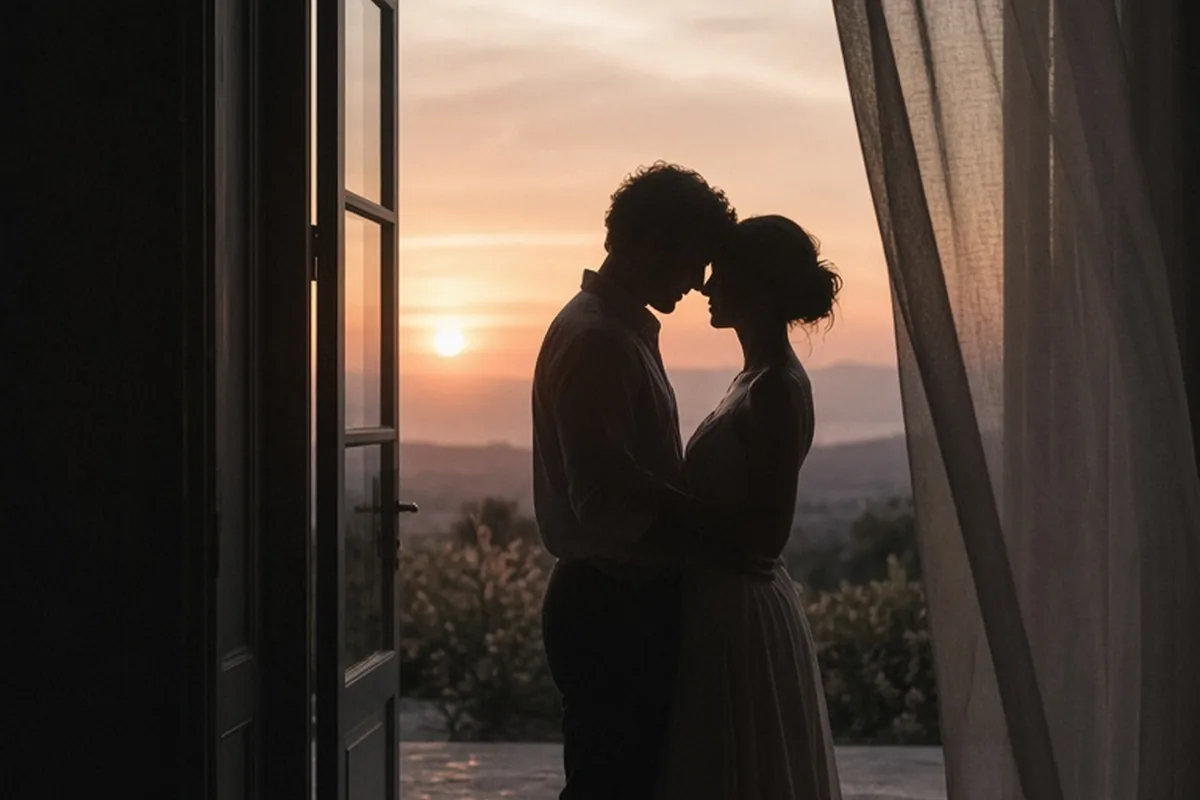
Planning a wedding for 20 guests operates like an elevated private dinner party, allowing single-table seating, restaurant buyouts, bespoke multi-course menus, and minimal vendor infrastructure. Expanding to 50 guests shifts the celebration into a formal event framework requiring dedicated venue layouts, structured catering service, amplified sound, formal timelines, and vendor minimums. While 20 guests prioritize deep intimacy and luxury upgrades per seat, 50 guests provide an energetic party atmosphere while maintaining a close-knit feel.
Choosing between an ultra-intimate gathering of 20 guests and a broader intimate wedding of 50 guests is one of the most consequential early decisions a couple can make. Though both sizes fall well below the typical large gathering, the operational differences between hosting twenty people and fifty people are substantial, altering everything from venue availability and catering logistics to evening entertainment and overall pacing.
The Operational Leap: How 20 Guests Differs From 50 Guests
The difference between hosting 20 people and 50 people is not merely an incremental increase of 30 chairs; it represents a fundamental change in how a celebration functions. At 20 guests, you are hosting a micro-wedding that mirrors the dynamics of an intimate family holiday or an exclusive dinner party. Every attendee can sit around a single communal table, conversations can occur across the entire group simultaneously, and there is no logistical need for a microphone, complex seating charts, or a rigid minute-by-minute schedule.
When your guest count reaches 50, the event crosses an invisible threshold into traditional banquet logistics. Fifty people naturally divide into multiple dining tables, requiring designated floor plans, escort cards, and intentional traffic flow between the ceremony space, cocktail hour, and dinner seating. At 50 guests, ambient room noise increases enough that background speech during vows or toasts becomes difficult to hear without light sound amplification, and keeping the group coordinated requires dedicated announcements and structured transitions.
Venue Selection and Space Dynamics for 20 vs 50 Guests
Venue availability changes dramatically depending on whether you cap your attendance at 20 or expand to 50. For a 20-guest wedding, standard commercial wedding venues often feel excessively cavernous and impersonal unless they feature dedicated private suites or boutique garden courtyards. Instead, a group of 20 unlocks non-traditional venues such as private dining rooms inside upscale restaurants, historic bed-and-breakfasts, chartered yachts, rented architectural villas, or private residential properties where parking and restroom capacity can easily accommodate five to eight vehicles.
At 50 guests, private restaurant dining rooms are frequently too small, necessitating either a full restaurant buyout or a standard boutique event venue. Venues for 50 people must offer adequate physical infrastructure, including commercial restroom facilities that prevent long queues, dedicated parking or valet arrangements for 20 to 30 vehicles, and distinct zones for mingling, dining, and dancing. Historic preservation properties, conservatory spaces, boutique winery tasting rooms, and small art galleries excel at accommodating 50 guests without making the space feel overcrowded or empty.
Catering Formats and Food Service Options
Food service at a 20-person wedding offers unmatched flexibility and personalization. With only 20 plates to serve, culinary teams can execute a complex seven-course tasting menu, an open kitchen demonstration, or an authentic family-style feast passed down one long imperial table. Kitchens can easily accommodate individual dietary restrictions, custom wine pairings for each course, and made-to-order preferences without disrupting the rhythm of service, mimicking the standard pacing of a fine dining establishment.
Serving 50 guests requires a more systematic kitchen line and synchronized service staff. While interactive food stations and elevated plated dinners work well for 50 people, high-touch custom ordering becomes impractical because the kitchen must deliver dozens of hot entrees concurrently. Plated options typically require pre-selected entree counts collected via RSVP cards, while family-style service for 50 requires wider table widths to hold platters without crowding place settings. Buffet setups also become viable at 50 guests, whereas a buffet for 20 people often looks disproportionately sparse and inefficient.
Atmosphere, Music, and Reception Entertainment
Entertainment dynamics differ significantly based on crowd energy and social density. A 20-person wedding thrives on warm conversation, storytelling, and an unhurried atmosphere. Background acoustic musicians, such as a solo guitarist, a harpist, or a curated custom playlist through a discreet sound system, provide the ideal backdrop without overpowering natural dialogue. Open dancing at a 20-person event is often spontaneous and brief rather than a continuous dance party, as small groups tend to socialize through conversation rather than packing a dance floor.
With 50 guests, a genuine dance floor culture becomes fully possible. Fifty attendees generate enough collective energy to sustain an active dance floor, particularly if you hire a live three-piece jazz combo, an acoustic duo, or a professional DJ who knows how to read an intimate room. An event of this size also benefits from an emcee or wedding coordinator who can verbally signal key moments, such as welcoming guests to the dining room, introducing toasts, or announcing the first dance, ensuring guests do not wander off or miss important highlights.
Vendor Minimums and Service Packaging Realities
Navigating professional wedding vendor contracts differs when balancing 20 versus 50 guests. Many high-demand wedding photographers, florists, and caterers enforce peak-season minimum expenditure rules or full-day service packages designed for 150-person events. For a 20-guest celebration, couples can often bypass these minimums by booking on weekdays, selecting non-peak seasons, or hiring vendors on hourly contracts rather than comprehensive production packages. Floral needs for 20 guests are minimal, often requiring only personal bouquets, boutonnieres, and one continuous table garland or low floral runner.
When planning for 50 guests, vendor minimums are easier to meet organically because the scope of production aligns closer to standard service structures. A 50-person event generally requires between five and seven dining tables, multiplying floral centerpiece requirements, linen rentals, tableware sets, and service staff headcounts. Coordination requirements also rise; while a 20-guest gathering can be self-managed or overseen by a restaurant captain, a 50-guest wedding runs much smoother with a professional day-of coordinator handling vendor arrivals, timing cues, and guest directions.
Budget Allocation: Per-Guest Investment vs Total Production
When allocating wedding funds, the choice between 20 and 50 guests represents a trade-off between maximizing per-person luxury and maximizing social inclusion. With a 20-guest limit, a couple can direct their financial resources into extraordinary individual touches, such as custom-engraved stationery, luxury transportation for all attendees, rare vintage wine pairings, premium welcome hampers, and heirloom-quality favors, all while keeping total logistical overhead low.
Expanding to 50 guests divides variable hospitality costs across more individuals while introducing unavoidable fixed overhead costs. Additional tables require more linens, centerpieces, print materials, servers, and bar staff. Couples hosting 50 guests must balance their desire for high-end upgrades against the reality of multiplied per-head food, beverage, and rental charges. Evaluating this trade-off involves deciding whether you prefer to treat a small inner circle to an ultra-luxurious experience or host a broader network of friends and family with thoughtful, streamlined hospitality.
Guest List Curation: Defining Your Inner Circle
Drawing the line at 20 guests requires strict boundaries that typically encompass only immediate family members—parents, siblings, and grandparents—alongside lifelong closest friends or partners. There is virtually no room for casual acquaintances, colleagues, extended second-degree relatives, or generalized plus-ones. This strict boundary simplifies decision-making because the cutoff criteria are straightforward and universally understood by extended social circles, minimizing social friction.
Moving to a 50-person guest list introduces more nuanced selection choices. A cap of 50 allows you to include aunts, uncles, first cousins, close childhood friends, and meaningful adult social circles, along with established romantic partners. However, managing a 50-person list often requires active diplomacy to prevent scope creep, as adding one extended branch of family or friend group can quickly push the headcount beyond the 50-person venue capacity limit. Clear tiering criteria remain essential throughout the invitation process.
Frequently asked questions
Is a 50-guest wedding considered a micro-wedding?
In the event planning industry, a micro-wedding is typically defined as a gathering of 20 to 30 guests or fewer. A wedding with 50 guests is generally classified as an intimate or small wedding. While it still offers a personalized experience compared to a traditional 150-guest event, it requires standard event infrastructure like floor plans, vendor coordination, and amplified sound.
Can I host a 20-guest wedding at a standard wedding venue?
Yes, but you should verify venue minimums and room proportions before signing a contract. Many commercial venues enforce food and beverage spend minimums designed for larger groups or have large ballrooms where 20 guests may feel lost. Look for venues offering micro-wedding packages, private dining suites, or boutique outdoor courtyards that match your smaller scale.
Do I need a wedding coordinator for a 20-guest or 50-guest wedding?
For a 20-guest wedding hosted in a private restaurant room, an on-site banquet manager is often sufficient to run the meal smoothly. For a 50-guest wedding with multiple vendors, separate ceremony and reception spaces, and scheduled speeches or dances, hiring at least a day-of coordinator is strongly recommended to manage logistics and keep the timeline on track.
How does photography coverage change between 20 and 50 guests?
For 20 guests, a single photographer working for three to five hours can thoroughly capture portraits, ceremony coverage, and intimate dinner interactions. For 50 guests, five to eight hours of coverage is standard to document multiple table dynamics, cocktail hour conversations, family combinations, and evening dancing without rushing.
Your next step
Draft a preliminary guest list today and categorize names into your non-negotiable core circle versus your broader social network to determine whether a 20-person or 50-person celebration matches your vision.