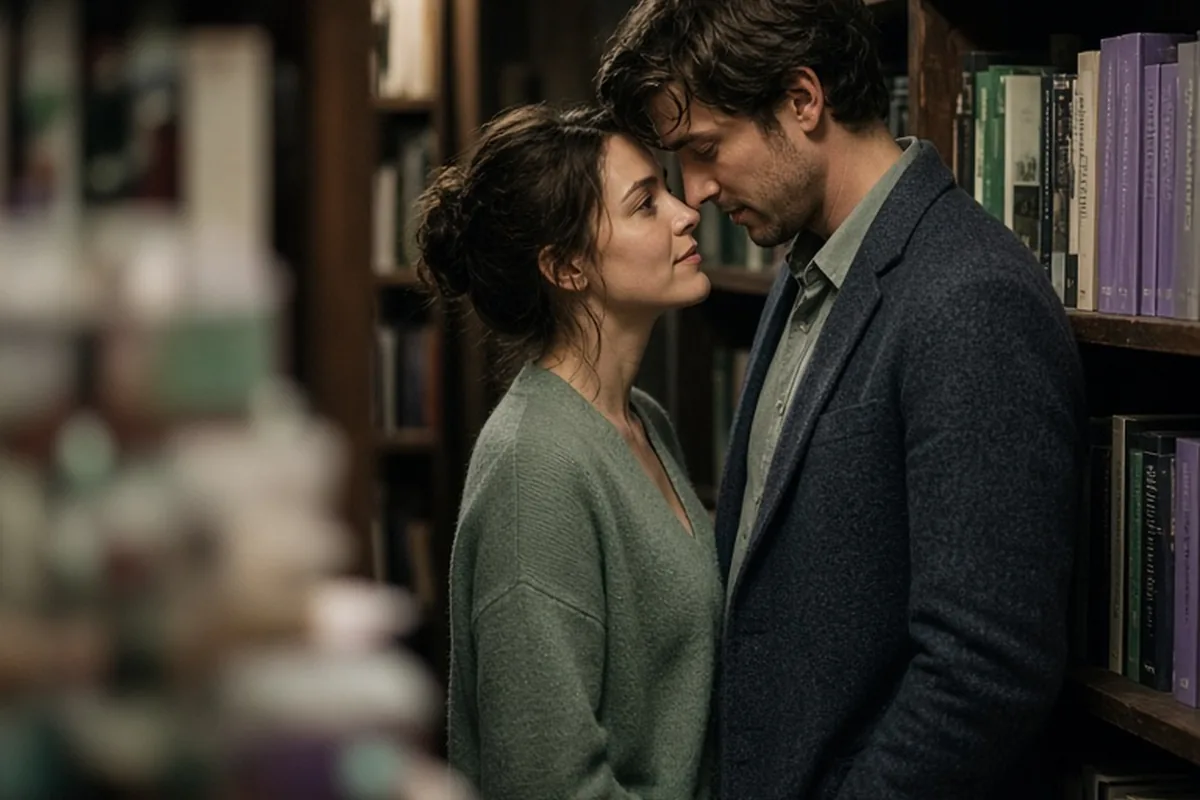
A wedding for 20 guests works best when planned around shared conversation and elevated culinary experiences rather than scaled-down banquet traditions. Focus on character-rich venues like private dining rooms, historic estates, or boutique gardens. Seat everyone at a single feasting table, swap standard buffets for multi-course chef tastings with beverage pairings, and replace large dance floors with live acoustic music, curated cocktail lounges, or fire-side conversation.
Downsizing to twenty guests transforms a wedding from an orchestrated stage production into an authentic dinner party where you spend meaningful time with every attendee. However, simply shrinking a standard 150-person template often produces awkward silence, empty dance floors, and cavernous rooms. Designing an unforgettable micro wedding requires reshaping spatial layouts, pacing, dining hospitality, and budget priorities.
Choosing Venues Built for Twenty Guests Rather Than Empty Ballrooms
The most critical architectural challenge of a 20-guest wedding is room scale. Traditional wedding venues, such as country club ballrooms or hotel event halls, rely on massive square footage and high ceilings intended to disperse large crowds. When twenty people gather in a space designed for two hundred, the environment feels cavernous, acoustic energy dissipates, and guests instinctively feel as though half the attendees failed to arrive. To create warmth and immediate visual fullness, seek spaces where twenty people comfortably occupy the footprint without feeling cramped.
Private dining rooms in top-tier restaurants represent one of the most practical and atmospheric choices for this guest count. Upscale restaurants already feature professional ambient lighting, curated interior design, high-end tableware, and dedicated hospitality staff. Renting a private dining room often requires meeting a food and beverage minimum rather than paying an exorbitant standalone venue rental fee. Beyond restaurants, consider historic brownstones, private art gallery lofts, glasshouse conservatories, bed-and-breakfast courtyards, or rented private estates that permit small gatherings. When touring potential locations, evaluate ceiling height, natural light, and whether the room allows seamless flow from the ceremony space to the social hour and dining table.
Designing a 20-Guest Feasting Table and Elevated Dining Experience
A guest list of twenty unlocks dining formats that are logistically impossible at conventional wedding scales. Rather than scattering guests across multiple separate round tables, arrange a single, dramatic banquet table where everyone dines together. A communal feasting table reinforces togetherness, ensures no single table feels tucked away in a corner, and creates an environment where cross-table conversations flow naturally. If the room layout requires breaking the group up, two parallel ten-person tables or a broad U-shaped configuration keep sightlines open and preserve unity.
At this size, catering can shift from prefabricated banquet plates or lukewarm chafing dishes to restaurant-caliber multi-course culinary service. Consider hiring a private chef to prepare a four- to six-course tasting menu tailored to your personal history, complete with individualized wine pairings for each course. Interactive dining elements thrive in this format: tableside carving, freshly baked bread boards served with artisanal butters, plated dessert flights, or a sommelier introducing each pour. Because plating twenty dishes simultaneously takes only a fraction of the time needed for a ballroom, food arrives hot, fresh, and visually exquisite for every guest at the table.
Intimate Ceremony Layouts That Put Every Guest in the Front Row
Standard wedding ceremony setups feature long aisles lined with dozens of chair rows, meaning guests toward the back view the couple from a distance. With twenty guests, you only need ten to twenty chairs, allowing you to reimagine the ceremony layout entirely. Arrange chairs in a gentle semi-circle, an intimate crescent, or even a full circle surrounding you and your partner. This configuration draws guests physically close to the vows, eliminates bad angles, and ensures every person present is seated in what feels like the front row.
Physical proximity changes the vocal and emotional tone of the ceremony. In a space holding twenty people, you generally do not need microphones, bulky PA sound systems, or amplified speakers. Instead, speak your vows in a natural conversational voice, which creates a profoundly vulnerable, shared moment. To draw your attendees deeper into the ritual, consider incorporating a collective element, such as passing your wedding bands on a ribbon through the hands of all twenty guests for a silent ring-warming blessing, or inviting each person to share a brief single-sentence wish during the ceremony.
Rethinking Entertainment When You Do Not Have a Packed Dance Floor
One of the most common anxieties surrounding small weddings is the fear of an empty, awkward dance floor. When a guest list totals twenty people across various generations, convincing fifteen of them to dance simultaneously for three straight hours is rarely realistic. Forcing a standard club-style DJ set upon an intimate group often creates unwanted pressure. Instead, design your post-dinner entertainment around the pleasures of unhurried social gathering, curated sound, and interactive hospitality.
Consider hiring a solo acoustic guitarist, a jazz duo, or a cellist to provide a rich musical backdrop throughout dinner and drinks. If you want dancing without the pressure of a massive club sound system, set up a stylish vinyl listening station where guests can browse a crate of curated records and select songs to play. Transitioning after dinner to an outdoor lounge with fire pits, custom espresso carts, fine spirit tastings, or a gourmet s'mores station keeps people engaged and mingling without demanding continuous dance floor participation. If your group genuinely loves dancing, keep the designated dance space compact—such as a small cleared area bordered by lounge seating—so three couples dancing fills the space comfortably.
Prioritizing Bespoke Floral Design, Photography, and Table Details
A smaller guest count allows you to redirect budget lines that usually vanish into volume costs—such as hundreds of chair rentals or dozens of generic centerpieces—into striking, high-impact artisanal craftsmanship. With only one or two tables to dress, invest in a lush, continuous tablescape featuring dense seasonal florals, textural fruits, trailing vines, bespoke stoneware, linen napkins, and custom taper candles. Personalized touches become practical at this scale: you can commission calligraphed menus featuring each guest's name, hand-written personal letters tucked into place cards, or custom embroidered favor bags.
Your photography coverage should also shift its focus. In large weddings, photographers spend significant time capturing wide crowd shots, coordinating extensive family groupings, and hunting down key moments across a large venue. With twenty guests, your photographer can document every single attendee interacting with you throughout the day. Discuss building time into your photography schedule for a relaxed, high-quality portrait of each guest or couple in attendance. Furthermore, you rarely need a twelve-hour, two-photographer package; a skilled solo photographer working four to six hours can thoroughly cover the preparations, ceremony, cocktail hour, and dinner.
Navigating Guest List Cuts, Plus-Ones, and Boundary Conversations
Limiting a wedding to twenty people requires strict, deliberate boundary setting. When a guest list is that small, every seat accounts for five percent of the entire room. This size typically accommodates immediate family (parents and siblings) and an ultra-tight circle of closest friends. Difficulties arise when extended family members or casual acquaintances assume they will receive an invitation, or when single guests expect discretionary plus-ones.
Clear, compassionate, and unwavering communication prevents misunderstandings. Frame your choice around intimacy and personal values rather than logistical constraints or finances. Letting people know early that you are hosting an immediate-family-only or twenty-person gathering establishes clear parameters that feel consistent rather than arbitrary. For plus-ones, establish a transparent guideline: partners who cohabitate or are engaged or married are invited by name, while non-established dates are omitted. If you wish to involve excluded loved ones without expanding the room count, host an informal backyard barbecue, send announcement cards with professional photos after the event, or provide a private digital ceremony link.
Contract Details and Cost Variables to Verify Before Booking
While a 20-guest wedding simplifies logistics, contracting venues and vendors requires vigilance around minimums and hidden fees. Many traditional venues enforce baseline guest counts or steep minimum spend requirements that make them uneconomical for small groups. When evaluating restaurant spaces, clarify whether the stated figure is a room rental fee or a food and beverage minimum. A minimum spend on food and wine is preferable, as every dollar spent translates directly into premium dining and drinks for your guests rather than paying for empty space.
Always review the service charge structures. Private dining contracts routinely include automatic gratuities, administrative fees, and local hospitality taxes that can add thirty percent or more to your final bill. Inquire specifically about corkage fees if you plan to bring special vintage wines, cake cutting fees, and setup or teardown windows. If you choose a residential estate or private vacation rental for your micro wedding, verify local municipal short-term rental noise ordinances, parking restrictions, and whether the owner mandates third-party event insurance to protect against property liability.
Frequently asked questions
How do you structure the timeline for a 20-person wedding?
A small wedding timeline flows more smoothly with shorter transitions because moving twenty people takes minutes rather than half an hour. A practical schedule spans four to five hours: a 30-minute ceremony, a 45-minute cocktail hour, a relaxed two-hour multi-course dinner, and an hour or two of lounge conversation, dessert, and music.
Can you have a traditional wedding party with only 20 guests?
While you can have bridesmaids and groomsmen, standing four or five attendants on either side of the altar can leave nearly half your guests standing at the front. Many couples with twenty guests choose to have either a single honor attendant each or no formal wedding party, allowing all attendees to sit together as honored witnesses.
Is hiring a wedding planner necessary for a wedding of 20 people?
A full-scale production planner is rarely necessary, especially if you book a full-service private dining room with dedicated staff. However, hiring a month-of or day-of coordinator can be immensely valuable to oversee vendor deliveries, manage the dinner timeline, and handle logistics so you and your family can remain fully present.
Your next step
Draft your definitive 20-person guest list today, then contact three local fine-dining restaurants or historic estates to request their private dining room capacities and food-and-beverage minimums.