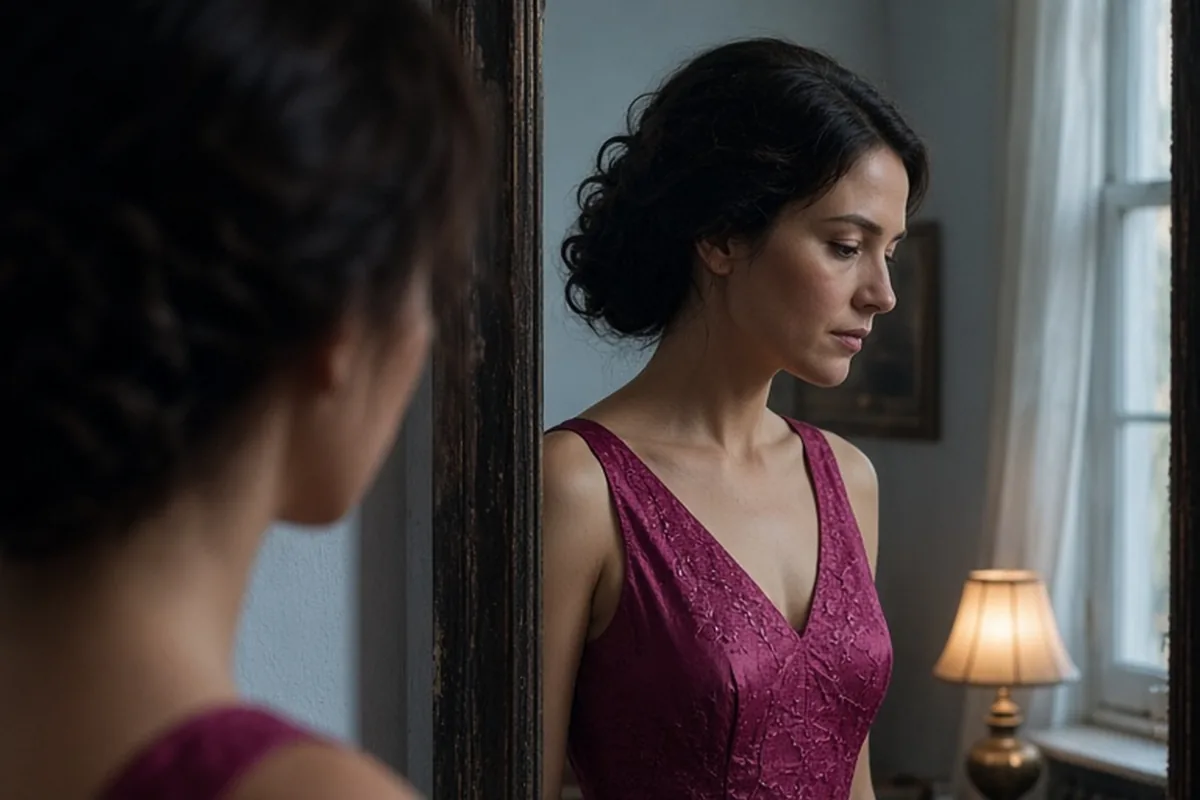
For a 100-guest wedding, the most versatile dress codes are Cocktail or Semi-Formal. A 100-person gathering creates a medium-sized, shared atmosphere where attendees notice what others are wearing, making visual cohesion helpful without requiring overly rigid attire. Align your choice with the venue layout and the season, state the exact terminology on your invitations, and include two clear clothing examples on your wedding website to remove guesswork for attendees across all age groups.
A guest list of roughly one hundred people creates an event scale that feels both celebratory and personal. Because this size bridges the gap between an intimate family gathering and a massive ballroom reception, choosing the right attire guidelines requires balancing aesthetic expectations with practical guest comfort.
Why a 100-Guest Count Changes Attire Dynamics and Guest Visibility
A wedding with one hundred attendees occupies a unique middle ground in event design. In a gathering of three or four hundred guests, individual style choices blend into a broad crowd, and an outlier outfit is rarely noticed outside a single dinner table. At a micro-wedding of twenty, attire can be negotiated informally through quick group chats. With one hundred guests, however, almost everyone will cross paths during the cocktail hour, share space on the dance floor, and appear in wide-angle documentary photos. This level of visibility makes guests more conscious of their choices, leading them to search for clear, dependable cues about what to wear.
Because an attendee list of this size typically includes immediate relatives, childhood peers, professional colleagues, and older family members, interpretations of formal wear can vary dramatically. A younger guest might view an ankle-length slip dress as elevated cocktail wear, while an older relative might expect a structured afternoon suit or a tailored jacket and skirt. Establishing a clear, standardized dress code prevents attendees from feeling self-conscious about being noticeably overdressed or uncomfortable in underdressed attire, establishing an atmosphere where people can focus on celebrating rather than second-guessing their appearance.
Matching the Attire Tier to Your Venue Environment and Season
Your event venue provides the physical context that makes a dress code make sense to attendees. An elaborate dress code set against a rustic or exposed outdoor site can create logistical hurdles for your guests, just as an overly casual dress code can feel discordant in a historic downtown dining club. When reviewing your venue contract and layout, assess the flooring surfaces, indoor climate controls, and transition paths that guests will encounter over four to six hours.
Outdoor locations such as private gardens, orchards, coastal bluffs, and working vineyards pair best with Cocktail or Dressy Casual designations. These environments present natural challenges, including soft lawn surfaces, gravel paths, breezes, and shifting afternoon-to-evening temperatures. Requesting floor-length formal gowns or rigid tuxedo shoes in these settings forces guests to navigate uneven turf in delicate footwear. Conversely, temperature-controlled indoor spaces such as boutique hotel ballrooms, modern art galleries, and historic libraries easily accommodate Black Tie Optional or formal evening wear, where polished floors and controlled heating or air conditioning keep structured clothing comfortable.
Selecting Between Cocktail, Semi-Formal, and Black Tie Optional
The three most common choices for a 100-person wedding offer distinct balances between accessibility and formality. Choosing the right category depends on your priorities regarding budget impact on attendees and the overarching tone you want to set for your celebration.
Cocktail attire remains the most widely understood standard for a gathering of this scale. It strikes an approachable balance between celebratory elegance and wardrobe accessibility. For guests, this typically means knee-length, midi, or tea-length dresses, tailored jumpsuits, and dark suits worn with a dress shirt and necktie. Most adults already own pieces that satisfy this standard, which minimizes the need for guests to rent or buy new garments just to attend your event.
Semi-Formal, sometimes phrased as Dressy Casual, sits one tier below cocktail wear and provides maximum flexibility. This code works well for daytime ceremonies, brunch receptions, or casual outdoor settings. Suitable garments include blazer-and-trouser combinations, button-down shirts without required ties, tasteful sundresses made from structured fabrics, and stylish two-piece sets. While flexible, Semi-Formal requires clear guardrails so guests do not mistake the word casual for everyday street clothes like denim, t-shirts, or athletic shoes.
Black Tie Optional signals a high-end evening aesthetic while keeping doors open for guests who do not own a tuxedo or a full-length evening gown. Tuxedos and dark charcoal or black suits with formal neckwear are appropriate for suit wearers, while other attendees can choose between floor-length gowns, dressy cocktail midis made of rich fabrics, or formal separates. For a 100-person event, this tier creates an exceptionally cohesive, elevated look, but hosts must recognize that some attendees will need to spend extra money renting or purchasing specialty garments.
Invitation and Wedding Website Wording That Prevents Confusion
Clear communication prevents weeks of repetitive text messages from confused relatives and friends. Traditional wedding etiquette places the attire designation in the lower right corner of the formal invitation card, or on a dedicated details insert card. On printed stationery, keep the note concise, using standard terminology such as 'Cocktail Attire' or 'Black Tie Optional' without decorative adjectives that obscure the real meaning.
Your wedding website is the ideal platform to expand on specific logistical realities that impact how people dress. Create an attire section within your travel or schedule page that details the practical terrain and expected temperatures. For instance, explaining that the ceremony takes place on an open lawn while the dinner is held inside a climate-controlled barn allows guests to make smart shoe and layering decisions before leaving home.
- State the exact standard name first, using recognized industry terms rather than playful, customized phrases.
- Specify the ceremony and reception surface types so guests know whether stilettos, block heels, or dress flats are appropriate.
- Clarify if any portion of the event takes place outdoors after sunset, suggesting a light wrap, jacket, or tailored coat.
- Provide three to four concrete wardrobe examples for different clothing preferences to eliminate guesswork.
Managing Diverse Guest Demographics Across Families and Age Groups
A hundred-person guest list brings together diverse social circles, each with their own assumptions about event attire. Younger peers may lean toward modern silhouettes, trendy cuts, or bold colors, while extended family elders may hold more conservative views about neckline depths, hem lengths, and whether a necktie is mandatory at a weekend event. Navigating these expectations requires thoughtful communication rather than rigid policing.
If your celebration incorporates cultural traditions, religious venue customs, or specific ceremony modesty guidelines, these expectations must be stated clearly well before the event date. For example, houses of worship that require covered shoulders, head coverings, or the removal of footwear should be noted prominently on your digital schedule. Framing these notes as welcoming context helps every guest arrive feeling prepared, respectful, and at ease throughout the day.
Practical Host Solutions for Weather Shifts and Footwear Dilemmas
Even with clear dress codes, weather changes and venue architecture can cause physical discomfort if hosts do not plan ahead. Because you are managing approximately one hundred attendees, providing thoughtful on-site amenities is logistically manageable and adds significant comfort to the guest experience.
Footwear is the most frequent source of discomfort at mixed-terrain venues. If your 100 guests must walk across soft grass, gravel pathways, or open decking, consider stocking a decorative basket with plastic heel protectors near the welcome area. Providing a dedicated shoe valet or basket of foldable flats near the dance floor later in the evening allows guests wearing formal footwear to stay active and celebrate without nursing painful blisters.
Temperature shifts between daylight ceremony hours and late-evening receptions also challenge guest comfort, particularly when formal dress codes limit heavy outer layers. For outdoor or partially covered receptions in spring or autumn, providing an accessible basket of neutral-colored pashminas, blankets, or arranging outdoor patio heaters ensures guests remain warm without having to retrieve bulky coats from their vehicles or leave the celebration early.
Attire Pitfalls to Avoid When Setting Rules for 100 Guests
One common misstep in modern wedding planning is inventing hybrid dress codes that confuse rather than clarify. Terms like 'California Casual Chic,' 'Rustic Formal,' or 'Sunset Garden Festive' leave guests feeling uncertain about what is expected. When attendees cannot identify standard benchmark garments for a phrase, they spend unnecessary time searching the internet or texting hosts for clarification. Stick to conventional terminology, and use descriptive sentences on your website to convey mood.
Another pitfall to avoid is attempting to micromanage your guests' color choices. While it has become popular on social media to request that attendees dress in an exact monochromatic palette or avoid specific accent colors, this places an undue logistical and financial burden on your one hundred guests. Expecting attendees to find and purchase garments within narrow color swatches—such as dusty rose, sage green, or muted earth tones—shifts the focus away from hospitality. Reserve color coordination for your immediate wedding party and immediate family members, allowing your general guests the freedom to wear flattering, appropriate tones they already own.
Frequently asked questions
Can I ask my 100 guests to wear a specific color palette?
While you can suggest a broad vibe, requiring one hundred guests to wear an exact color palette creates significant friction and expense for attendees. It is generally best to restrict color coordination requests to the wedding party and immediate family, leaving general guests free to choose colors that suit them within your stated formality tier.
What is the safest dress code if my guests have very different budgets?
Cocktail attire is the most reliable option for varied budgets. Most adult guests already own a dark suit, blazer, or versatile knee-to-midi dress that satisfies this standard, meaning they can attend without investing in specialty garment rentals.
How do I communicate that high heels are impractical for our venue?
Add a brief, friendly note under the dress code section on your wedding website. Phrasing such as 'Our ceremony and reception will take place on historic lawns and gravel walkways, so we strongly encourage chunky heels, wedges, or stylish flats' gives clear guidance without sounding restrictive.
When should our 100 guests receive the dress code information?
The dress code standard should be printed on your formal invitations, which are traditionally mailed six to eight weeks before the wedding. You should also publish the dress code and practical attire FAQs on your wedding website before sending save-the-date cards so early planners have full visibility.
Your next step
Review your venue contract to identify all walking surfaces and climate controls, select a single standard attire tier, and publish three clear wardrobe examples on your wedding website before invitations are printed.