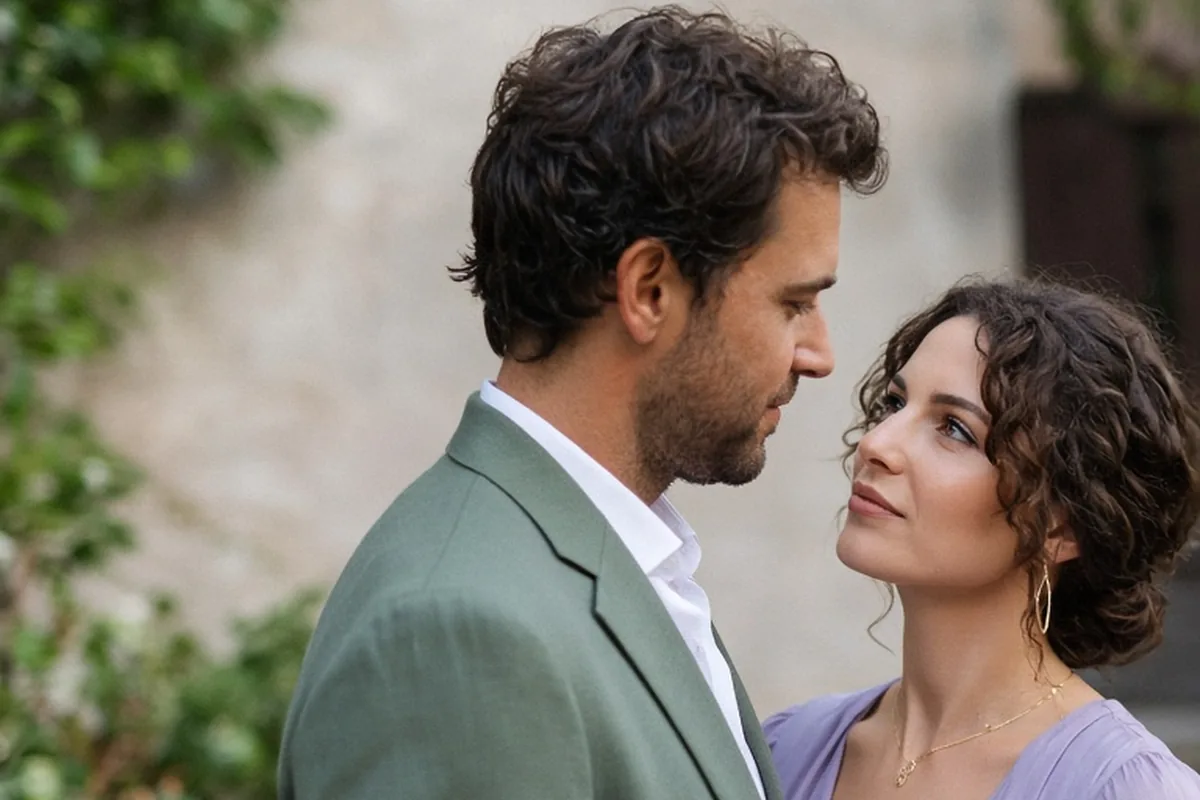
For a small wedding, the best guest dress code balances refined elegance with understated comfort, typically centering on elevated cocktail, dressy casual, or garden semi-formal attire. Because intimate celebrations put every guest in close proximity and shared photographs, prioritize tailored fits, breathable natural fabrics, and polished accessories over dramatic, red-carpet gowns or stiff formal wear. Align your outfit with the specific venue environment—such as a boutique restaurant, private estate, or city hall—so you feel celebratory without overshadowing the couple.
Intimate celebrations and microweddings have transformed how couples gather, moving the focus away from cavernous ballrooms toward deeply personal settings like boutique bistros, private garden courtyards, and family estates. With guest lists often hovering between twenty and fifty people, your attire carries visual weight. You are not an anonymous face in a crowd of hundreds; you are an essential part of the event's shared aesthetic, making thoughtful, context-aware styling essential.
Decoding Vague Dress Codes for Small Weddings
Couples hosting smaller ceremonies frequently adopt softer, less conventional phrasing on their invitations. You will often encounter descriptors like casual chic, intimate cocktail, garden party semi-formal, or elevated dinner attire. While these terms are designed to help guests feel relaxed, they often create confusion about where everyday casual stops and wedding-appropriate polish begins. The golden rule for small weddings is that relaxed never means careless. The hosts want a convivial, unpretentious atmosphere, but they still want the occasion to feel honored, distinct, and visually elevated above a standard weekend dinner.
To navigate these hybrid terms, look at fabric composition and tailoring rather than extreme formality. For instance, dressy casual translates into structured silhouettes made from softer textiles, such as a crisp linen blazer paired with tailored chinos, or a soft modal midi dress paired with refined slingback flats. Elevated cocktail for a twenty-person restaurant reception means choosing clean, sophisticated lines over sweeping ballgowns or heavily sequined mini dresses. When an invitation omits traditional black-tie terminology, aim for smart separates, muted elegance, and high-quality textures that show respect for the milestone without appearing overly rigid.
Matching Outfits to Intimate Venues and Settings
Small weddings regularly take place in non-traditional spaces, making the physical setting your most dependable styling compass. A private dining room at an upscale urban restaurant demands a sleek, architectural sensibility. Here, tailored silk slip dresses, monochromatic jumpsuits, or charcoal unconstructed suits with leather dress shoes feel perfectly aligned with low lighting and polished interior decor. In contrast, an outfit designed for a dimly lit wine bar will feel dark, heavy, and out of place at a midday backyard ceremony or an open-air pavilion surrounded by greenery.
For outdoor estates, vineyard verandas, and seaside bluffs, your clothing must perform alongside the elements. Outdoor grounds require stable footing and responsive fabrics. Sun-drenched lawns call for breathable cotton poplin, airy georgette, light-toned tropical wools, and linen blends that resist clinging in heat. You must also factor in practical venue transitions. A celebration that starts on grass, moves to a gravel terrace for cocktails, and concludes inside a historic stone carriage house requires footwear with broad contact points, such as block heels or leather-soled loafers, along with a tailored outer layer for changing temperatures.
Tailored Suits, Blazers, and Separates for Men and Masculine Styles
Intimate ceremonies allow masculine dressing to move beyond cookie-cutter tuxedo rentals or rigid corporate boardroom suits. Coordinated separates represent one of the most stylish and adaptable choices for a microwedding. A tailored navy, olive, or soft brown sport coat paired with cream, stone, or charcoal dress trousers provides structure while projecting a relaxed, confident charm. If the invitation calls for a full suit, choose lighter weaves and soft shoulders, such as Italian-cut cotton twill, breathable hopsack wool, or unlined linen-wool blends that drape comfortably during extended seated dinners.
Shirt and accessory selections should mirror the warmth of the gathering. At semi-formal and dressy casual gatherings, you can swap traditional stiff-collared dress shirts for fine-gauge knit polos, high-thread-count band-collar shirts, or lightweight chambray tailored shirts worn without neckwear. If you opt out of a traditional necktie, anchor your look with a neatly folded linen pocket square to maintain intentionality. Complete the ensemble with polished penny loafers, suede double monk straps, or minimalist leather dress shoes, ensuring your footwear is thoroughly conditioned and appropriate for both indoor floors and garden surfaces.
Dresses, Jumpsuits, and Coordinated Sets for Feminine Styles
When choosing feminine attire for a close-knit wedding, proportion and scale matter significantly. Massive crinoline skirts, sweeping trains, or dramatic floor-skimming hems can feel suffocating and impractical in smaller spaces, such as private dining nooks or cozy home parlors. Instead, midi-length hemlines, tea-length skirts, and tailored column cuts shine. A bias-cut satin midi dress layered beneath a sharp, slightly oversized blazer creates a balanced aesthetic that feels modern, festive, and comfortable across hours of sitting and mingling.
Tailored jumpsuits and two-piece coordinated sets offer modern, practical alternatives to traditional dresses. A wide-leg crepe jumpsuit with an integrated tie belt delivers clean lines that photograph exceptionally well in close-up portraits. Similarly, matching silk or pleated plissé sets—such as an elegant wide-leg trouser paired with a coordinating draped top—provide flexibility, easy mobility, and effortless re-wear potential after the wedding. Anchor these outfits with sculptural, minimalist jewelry, such as freshwater pearl drops or brushed gold cuffs, rather than high-sparkle statement costume pieces that might visually compete with the couple.
Navigating Color Stories, Prints, and Visual Cohesion
In a gathering of thirty guests, photographic cohesion becomes far more noticeable than it is at a massive reception. Because the entire guest list often appears together in group portraits, couples increasingly share a subtle color palette or aesthetic mood board on their wedding websites. Common requests include muted earth tones, warm desert neutrals, coastal blues, or rich autumnal jewel tones. Following these suggestions helps create harmonious, heirloom-quality photos that look intentional without forcing everyone into identical uniforms.
If you incorporate patterns, pay close attention to scale and visual contrast. Highly contrasting geometric prints, oversized neon abstracts, and high-visibility logos can easily dominate intimate group shots and pull visual focus away from the married couple. Lean toward soft watercolor washes, micro-florals, tone-on-tone jacquards, or rich solid hues that add depth through texture rather than loud color contrasts. Standard color boundaries still apply: reserve all shades of white, cream, ivory, alabaster, and pale champagne exclusively for the couple unless the invitation explicitly requests an all-white guest dress code.
Footwear and Layering for Day-to-Night Transitions
Small weddings often feature continuous flow between distinct environments, such as a park ceremony followed by cocktails on a flagstone patio and dinner in a historic wine cellar. Footwear decisions must account for these surfaces without sacrificing refinement. For guests wearing heels, slender stilettos pose genuine hazards on lawns, wooden decking, and cobblestones. Select supportive block heels, sculptural kitten heels, structured wedges, or dressy pointed-toe leather flats that provide stability while keeping your silhouette polished.
Layering pieces are equally critical, especially since intimate gatherings often extend into quiet, open-air conversations under evening skies. A shivering guest wearing an unseasonal outfit disrupts the warmth of the gathering. Plan outerwear that integrates into your total look rather than tossing on an everyday winter parka at the end of the evening. A tailored wool trench, a softly draped cashmere wrap, an unlined cropped jacket, or an unstructured velvet blazer adds warmth, texture, and architectural polish while respecting the overall celebratory tone.
How to Ask for Clarification Without Burdening the Couple
Because couples coordinating small weddings frequently manage their own planning details without full-service production teams, guests should approach dress code clarification with care. Avoid sending vague, open-ended messages like what should I wear or how dressy is this. These broad inquiries place the burden of styling back onto the hosts during a demanding logistical period. Instead, begin your research by reviewing the couple's wedding website, checking the venue's social media tags to see real guest attire in that specific space, and checking in with fellow attendees.
If ambiguity remains, send a polite, highly specific inquiry three to four weeks before the ceremony date. Presenting concrete options shows you have done your homework and makes replying easy for the couple. For example, ask whether a tailored linen suit or dark trousers with a blazer better matches their reception ambiance, or inquire if a floral midi dress fits the garden ceremony tone. A specific question can be answered in seconds, giving you clear boundaries while reassuring the hosts that their guests care about their day's vision.
Building a Reusable Small-Wedding Wardrobe
Investing in a completely new outfit for every small wedding is rarely practical or economical. Because intimate weddings lean heavily into personal taste, high-end tailoring, and understated elegance, your goal should be cultivating modular wardrobe foundations that transition seamlessly across multiple life events. A well-fitted navy suit, an impeccably tailored black jumpsuit, or a high-quality silk-blend slip dress in olive or terracotta can be refreshed repeatedly simply by switching your layering pieces, footwear, and jewelry.
When you want something distinct without the financial commitment of permanent ownership, designer rental services and curated secondhand platforms offer high-quality options. Renting a structured designer blazer or an elevated midi dress allows you to participate in niche color palettes without permanently adding single-wear garments to your closet. Focus your long-term purchases on quality basics that offer comfort, excellent seam construction, and versatile styling potential across dinner parties, gallery openings, and future intimate celebrations.
Frequently asked questions
Can I wear black to an intimate small wedding?
Yes, wearing black to a small wedding is entirely appropriate for evening celebrations, urban venues, and formal cocktail dinners. To keep the look celebratory rather than somber, choose fabrics with visual texture like silk, lace, or crepe, and incorporate warm metallic jewelry or refined footwear. If the wedding is an open-air morning garden ceremony, however, softer tones or navy may feel more natural.
What should I wear if the small wedding invitation lists no dress code at all?
When an invitation omits dress code guidelines, default to elevated semi-formal attire guided by the venue and time of day. A safe, universally respectful choice is a tailored midi dress or an unconstructed suit with polished leather dress shoes. It is far better to be slightly more polished than the crowd than to arrive in casual weekend wear.
Are dark jeans ever acceptable for a casual small wedding?
Dark denim is generally unacceptable for a wedding unless the couple explicitly states on the invitation that denim is welcome, such as at a ranch or barbecue celebration. Even for casual backyard gatherings, tailored trousers, chinos, or linen pants convey far greater respect for the milestone while remaining just as comfortable.
How do I avoid matching the bridesmaids at a microwedding?
At small weddings, wedding parties are often tiny or nonexistent, but couples frequently select a primary wedding color. Check the invitation suite, wedding website accents, or discreetly ask someone close to the couple which color family the bridal party is wearing. Choosing neutral tones, subtle prints, or complementary secondary shades ensures you will not be mistaken for an official attendant.
Your next step
Review the ceremony venue and reception location today, inspect your closet for two adaptable outfit choices suited to the setting, and schedule any necessary alterations or dry cleaning at least three weeks before the wedding.