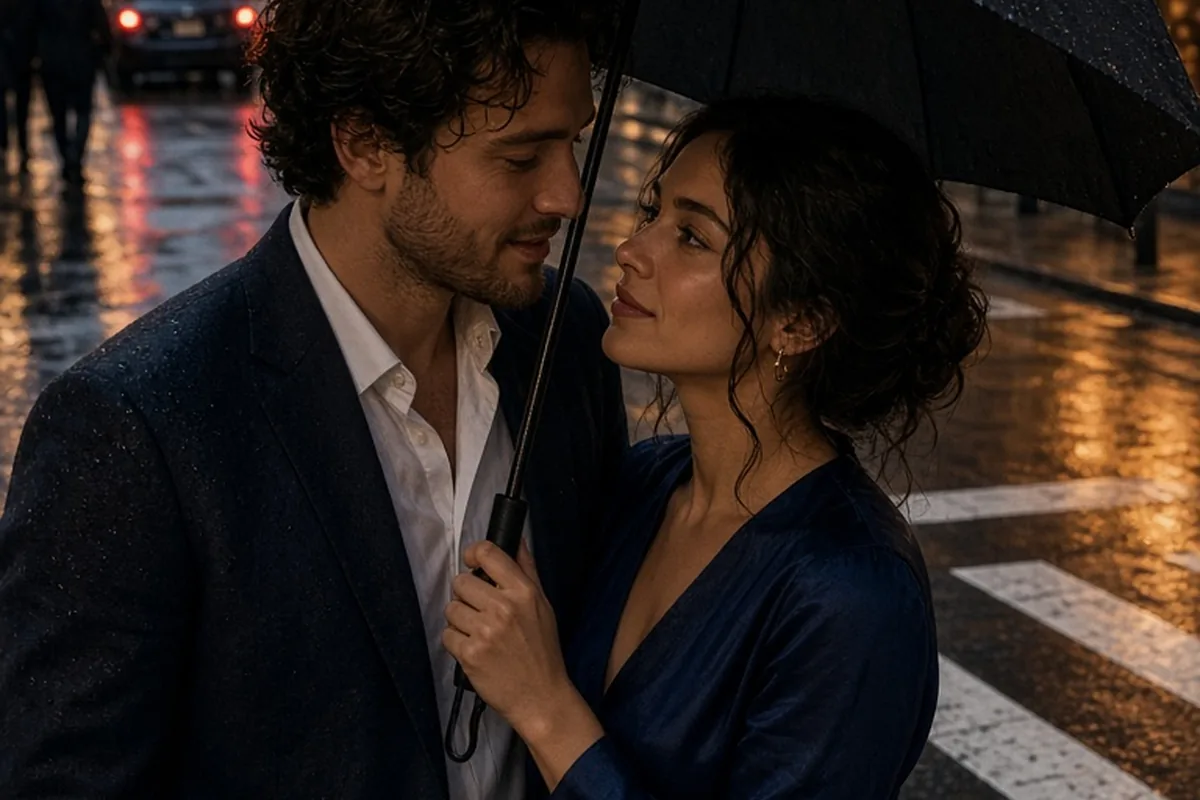
Meeting a wedding guest dress code on a budget begins with auditing what you already own and renting or borrowing high-formality pieces instead of buying new. For formal or black-tie invites, peer-to-peer wardrobe rentals and vintage outlets offer tailored garments at a fraction of retail. For semi-formal, cocktail, or casual weddings, adapt classic closet staples with updated accessories, deliberate shoe choices, and professional pressing to match the venue and formality level seamlessly.
Navigating an invitation that specifies an exacting dress code can feel intimidating when your disposable income is earmarked for travel, lodging, and gifts. Fortunately, dressing appropriately for a wedding is about honoring formality tiers and respecting the couple's celebration, not purchasing a single-use designer outfit.
Decoding Common Wedding Dress Codes Without Overspending
Wedding invitations present a hierarchy of dress codes ranging from white tie and black tie down to cocktail, semi-formal, and dressy casual. Understanding what each tier actually requires protects you from overspending on garments you will never wear again. Black tie traditionally calls for a floor-length evening gown or a classic tuxedo with a bow tie and cummerbund or vest. Black-tie optional and formal allow slightly more latitude, meaning a very dark, impeccably tailored suit or a sophisticated ankle-length dress can satisfy the requirement without purchasing specialized evening wear.
Cocktail and semi-formal codes represent the most flexible categories for budget-conscious guests. For cocktail events, knee-length, midi, or high-low dresses in structured fabrics work alongside tailored suits paired with neckties. Semi-formal or dressy casual allows for lighter suit shades, separates such as a blazer paired with tailored trousers, and elevated day dresses in chiffon or cotton blends. By recognizing which garments naturally cross these category boundaries, you can identify a versatile foundational look rather than shopping for a unique outfit for every invitation.
Auditing Your Closet for Adaptable Staples and Quick Alterations
Before browsing online retailers, conduct a systematic audit of your current wardrobe to identify adaptable garments. Neutral foundation pieces such as a solid navy or charcoal suit, a dark midi dress, or a structured jumpsuit often fulfill cocktail or semi-formal standards when styled thoughtfully. Pay attention to the fabric composition; natural fibers like wool, linen blends, and matte silk alternatives tend to appear more refined than high-gloss synthetic blends, even if the garment was purchased years ago.
Small tailoring adjustments can completely transform an older, ill-fitting garment into an outfit that looks made to measure. Taking in a suit jacket waist, hemming dress pants to the proper shoe break, or shortening shoulder straps on an existing dress generally costs a fraction of buying a new mid-range ensemble. Pair these adjustments with a thorough steam or professional dry cleaning to restore crisp pleats, smooth collar lines, and structured silhouettes that project intentional polish.
Renting Garments Versus Buying for Black-Tie and Formal Invitations
Formal and black-tie invitations present the highest risk of financial waste because true evening gowns and formal tuxedos rarely re-enter a standard wardrobe rotation. Clothing rental services offer a practical alternative, allowing guests to borrow high-end evening wear for a single weekend. When selecting a rental service, look for companies that supply a complimentary backup size to account for brand sizing variations, and review customer photo reviews from individuals with similar heights and body frames to judge drape and length accurately.
Renting does require strict logistical discipline to avoid penalty fees that inflate your overall spend. Confirm shipment arrival dates at least two days before the ceremony to leave time to test shoe heights, undergarments, and jewelry. Carefully check the platform policy regarding minor wear, beverage spills, and late return fees, and inspect whether return shipping labels and packaging are pre-printed. Borrowing formal pieces directly from friends, siblings, or local community clothing exchanges provides an even more economical path when measurements align.
Navigating Secondhand and Consignment Markets for Guest Attire
Pre-owned garments offer an exceptional path to acquiring premium materials and timeless designs within a modest budget. Local consignment shops in metropolitan areas frequently stock event-ready attire that has been worn only once for photoshoots or single occasions. Visiting these brick-and-mortar boutiques allows you to feel the fabric weight, examine seam integrity, inspect hem allowances for potential alteration, and verify color fidelity in natural lighting before purchasing.
Online resale marketplaces expand your access to thousands of brand-name dresses, suits, and accessories, but they require methodical filtering to avoid buyer remorse. Rather than searching vague terms like party dress, search by established occasion-wear brands, specific fiber contents such as crepe or silk, and your exact garment measurements rather than tag sizes. Because many peer-to-peer sellers enforce strict no-return policies, request garment flat measurements across the chest, waist, and hips, and factor in potential alteration costs when calculating your total expense.
Elevating Budget-Friendly Base Pieces Through Strategic Styling
An understated, budget-friendly garment can easily look luxurious when complemented by deliberate, quality accessories. Instead of investing in ornate clothing with complex embellishments that quickly reveal their price point, choose minimalist, clean-lined silhouettes and let secondary elements introduce personality. A structured handbag with clean hardware, balanced metallic jewelry, and polished leather or sleek block-heel footwear immediately elevate an unembellished solid-color dress or standard suit.
Grooming, undergarment selection, and fabric care play an equally critical role in how expensive an outfit looks in person and in photography. Seamless undergarments and supportive shapewear ensure that lighter dress fabrics drape smoothly without pulling across seams. Ironing out shipping creases, removing stray threads, and applying a fabric lint roller ensure crisp lines. For cooler evenings or church ceremonies, a tailored blazer, structured wrap, or refined trench coat maintains formality without requiring a dedicated event coat.
Non-Negotiable Wedding Etiquette When Cutting Attire Costs
While reducing expenses is sensible, keeping costs down must never override foundational wedding guest etiquette. The primary rule remains steadfast across all budgets: avoid white, ivory, cream, champagne, or pale pastel shades that photograph as white in natural light. If an affordable dress seems borderline pale under direct sun, select a different color to eliminate ambiguity and keep the visual focus entirely on the couple.
Additionally, respect the practical and cultural expectations established by the venue and ceremony traditions. Outdoor venues such as farm lawns, vineyards, or beaches call for stable footwear like block heels, wedges, or dressy flats that prevent sinkage and preserve your shoes from dirt stains. For ceremonies hosted in conservative houses of worship, ensure your outfit allows for respectful shoulder, chest, and knee coverage, using a classic scarf, shawl, or tailored cardigan as an adaptable, low-cost layer.
Frequently asked questions
Can I wear black to a wedding if I want to use a suit or dress I already own?
Wearing black is widely accepted for modern evening, cocktail, and black-tie weddings in North America. To keep the look celebratory rather than somber, accent a black suit or dress with warm metallics, textured accessories, or a pop of color in pocket squares or jewelry.
What is the single most versatile wedding guest outfit to invest in?
For men, a tailored mid-weight navy or charcoal suit is the most versatile option because it adapts to formal, cocktail, and semi-formal events through tie and shoe choices. For women, a solid jewel-tone or dark midi dress in a structured matte fabric effortlessly transitions across venues and seasons.
How should I handle a black-tie invitation if renting a tuxedo or gown is outside my budget?
Focus on assembling the darkest, most classic combination possible from your closet or friends. A crisp dark suit with a white spread-collar shirt, black tie, and polished black oxfords can blend respectfully into a black-tie optional crowd, while a simple floor-length dark dress styled with elegant jewelry satisfies evening standards without specialty purchases.
Is it rude to wear the exact same outfit to multiple weddings in the same season?
Rewearing a well-fitting, appropriate outfit across multiple weddings is completely acceptable and standard practical behavior. Guests rarely track what others wear, and simple changes in footwear, ties, hairstyles, and light layering create distinct looks for different photo albums without additional costs.
Your next step
Inspect your closet today for a versatile dark suit or neutral midi garment, and consult a local alterations specialist to see if a simple hem or seam adjustment can meet the required dress code before you spend money on new attire.