A wedding guest dress code planning timeline coordinates when couples announce attire guidelines and when guests purchase outfits. Couples should establish dress codes 9 to 12 months before the wedding, publish details on their wedding website 6 to 8 months out, and print the dress code on formal invitations 8 to 10 weeks out. Guests should begin shopping or reserving rentals 6 to 8 weeks ahead to accommodate tailoring schedules.
Establishing and following an intentional timeline for wedding attire eliminates guesswork for both hosts and attendees. Clear milestones ensure couples communicate their vision early enough for guests to find appropriate clothing, schedule fittings, and respect cultural or seasonal logistics without stress.
Establishing the Attire Standard Nine to Twelve Months Out
The ideal window for couples to choose their wedding guest dress code occurs nine to twelve months prior to the ceremony. At this stage, you have typically confirmed your venue and selected a date, which provides the two most critical parameters for clothing: location and season. A historic ballroom naturally suggests black-tie or formal attire, whereas an open-air seaside lawn calls for cocktail or elevated garden-party attire. Deciding on your standard early ensures that any initial bridal party discussions, photography plans, and stationery designs match the formality of the setting.
During this early planning phase, couples should examine practical environmental constraints alongside aesthetic preferences. Consider historical weather patterns for the wedding month, the duration of outdoor events, and the flooring guests will encounter. If your ceremony takes place on grass or historic cobblestones, stiletto heels will pose a safety concern regardless of formality. If the ceremony occurs in a religious sanctuary with modesty requirements, such as covered shoulders or head coverings, identify those guidelines now so they can be integrated smoothly into future materials.
Launching Website Guidance Six to Eight Months Before the Event
Save-the-date cards generally reach mailboxes six to eight months before the wedding, directing guests to the wedding website for preliminary travel details. This makes the six-to-eight-month mark the perfect time to publish an attire section on your website. While save-the-date stationery rarely includes a printed dress code line, your website should clearly define the category. Standard definitions such as white-tie, black-tie, black-tie optional, formal, cocktail, or semi-formal give guests an immediate benchmark for budgeting and wardrobe planning.
Your website attire page should expand beyond single-word labels by clarifying practical nuances. Include guidance on expected climate, such as mountain cooling at dusk or high humidity during an afternoon ceremony. Clarify footwear recommendations, such as suggesting block heels, wedges, or dressy flats for uneven lawn surfaces. If you have specific preferences regarding color palettes, such as asking guests to avoid certain shades or embrace bold jewel tones, state those preferences diplomatically so attendees feel supported rather than overly restricted.
Printing Formal Invitations and Etiquette Rules Eight to Ten Weeks Out
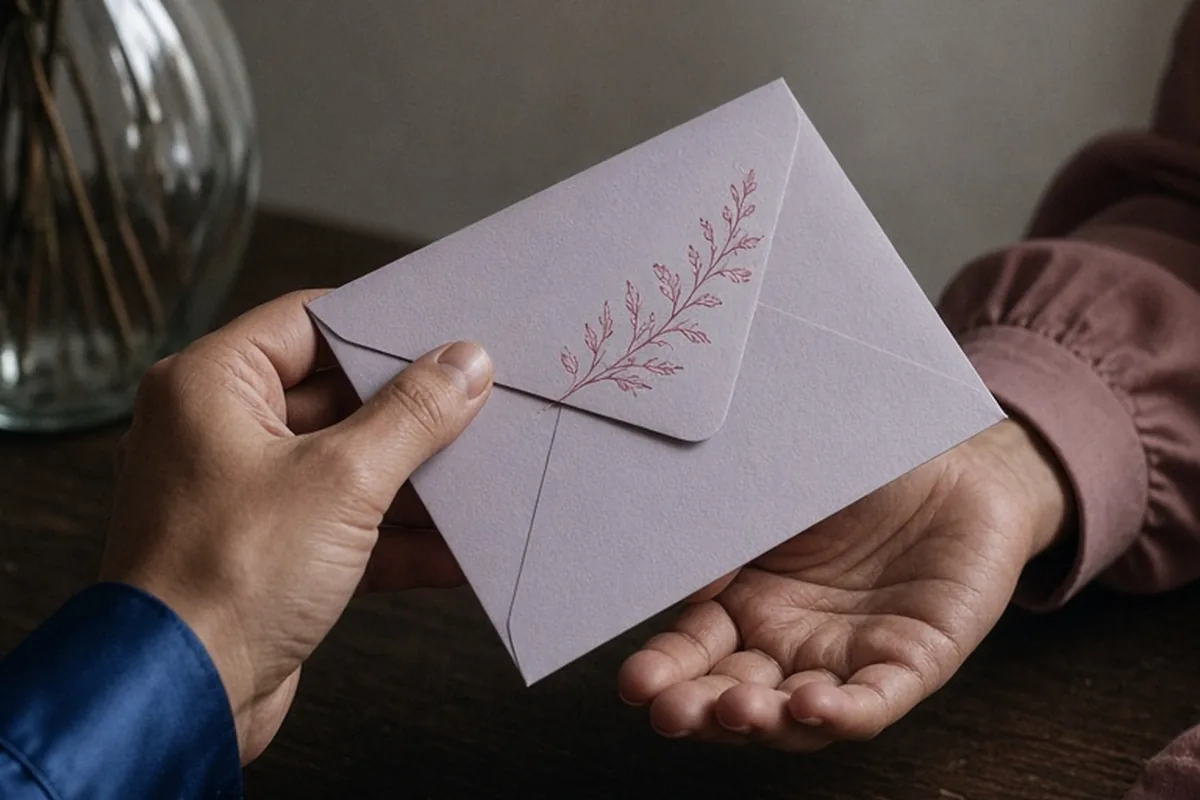
Formal wedding invitations arrive in mailboxes eight to ten weeks before the wedding date. This piece of stationery serves as the official, permanent record of your dress code. Traditional etiquette dictates placing the attire indicator in the lower right-hand corner of the main invitation card or centered on an accompanying details card. Sticking to standard terminology avoids confusion; phrases such as 'Black-Tie Optional' or 'Cocktail Attire' carry established meanings that help guests select appropriate garments.
Couples should exercise caution with hyper-specific or invented dress code labels during this step. Blended phrasing like 'Boho Chic Black-Tie' or 'Desert Disco Formal' often forces guests to send follow-up questions, creating administrative burdens for the couple. If you want a distinct aesthetic, use an established dress code category on the printed invitation card and use your website's attire section to explain stylistic color suggestions, fabric textures, or accessory inspirations.
The Guest Shopping and Rental Window Six to Eight Weeks Ahead
For wedding guests, the six-to-eight-week window is the recommended period to purchase an outfit, submit a rental reservation, or confirm that an existing garment fits properly. Waiting longer than six weeks significantly narrows options, especially if you need a specific size or shade during peak celebration months. If you intend to use an online formalwear rental service, reserving your garment two months ahead ensures the size and style remain reserved for your required delivery date.
Shopping during this window also allows adequate buffer time for retail shipping delays, potential backorders, and returns. If an ordered suit or dress arrives and the color or silhouette does not match expectations, having six weeks remaining leaves ample opportunity to exchange the item or pursue a secondary option without resorting to rushed expedited delivery fees or limited last-minute department store inventories.
Managing Garment Alterations Three to Four Weeks Out
Three to four weeks before the event, guests should bring their chosen garments to a professional tailor or seamstress. Tailors experience extreme workload spikes in spring and autumn, meaning basic adjustments like hem shortening, sleeve tapering, or taking in a waistline can easily require two weeks of shop time. Booking alterations a month ahead guarantees your clothing is ready well before departure, avoiding emergency rush charges.
Fittings require exact precision, so always bring the shoes, undergarments, and belts you plan to wear to the wedding. A gown hemline cut for three-inch heels will drag on the ground if you later switch to flats, while trousers pinned without dress shoes risk pooling around the ankles. Use the period between your initial fitting and final pickup to wear your chosen dress shoes around your home on carpet, breaking them in to avoid painful blisters during the reception.
Packing, Steaming, and Final Wardrobe Checks the Week of the Wedding
The week of the wedding centers on garment preservation, care, and final logistical checks. Check regional weather forecasts five to seven days out to determine whether you need practical additions, such as a formal wrap for unseasonably cool breezes, an umbrella for rain, or extra sunglasses for an unshaded garden ceremony. Try on the entire ensemble one last time, ensuring that all closures, zippers, buttons, and matching accessories are intact and functional.
For guests traveling by car or air, proper garment transport is critical. Place formal dresses, suits, and delicate fabrics inside breathable garment bags rather than folding them into standard luggage compartments. Upon checking into your accommodations, immediately unpack the clothing and hang it up to let travel wrinkles drop. Steam garments rather than ironing them to avoid scorching delicate silk or synthetic blends, and pack a basic travel kit containing double-sided apparel tape, lint rollers, safety pins, and fabric stain remover pens.
Frequently asked questions
What should a guest do if the wedding invitation mentions no dress code?
Check the couple's wedding website first, as attire guidelines often reside on the travel or FAQ pages. If no information is listed online, determine formality based on the venue type, ceremony time, and stationery aesthetic. Evening events at country clubs or ballrooms suggest formal or cocktail attire, while daytime park or beach settings usually welcome dressy-casual or semi-formal options.
Can couples ask guests to wear specific colors?
Couples can suggest a general color palette, such as earth tones or pastels, but it should be framed as an optional request rather than a mandatory requirement. Imposing strict color mandates often creates financial strain for attendees who might otherwise wear a suitable outfit they already own.
When should guests rent a tuxedo or formal gown for a black-tie wedding?
Guests should secure formal rentals six to eight weeks in advance to ensure their size remains available in inventory. Most rental providers ship orders to arrive two to three days before the celebration, leaving sufficient time for a replacement shipment if minor fit issues arise.
Your next step
Draft your wedding attire guidelines this week and compare them directly against your ceremony venue's physical terrain and anticipated seasonal climate.