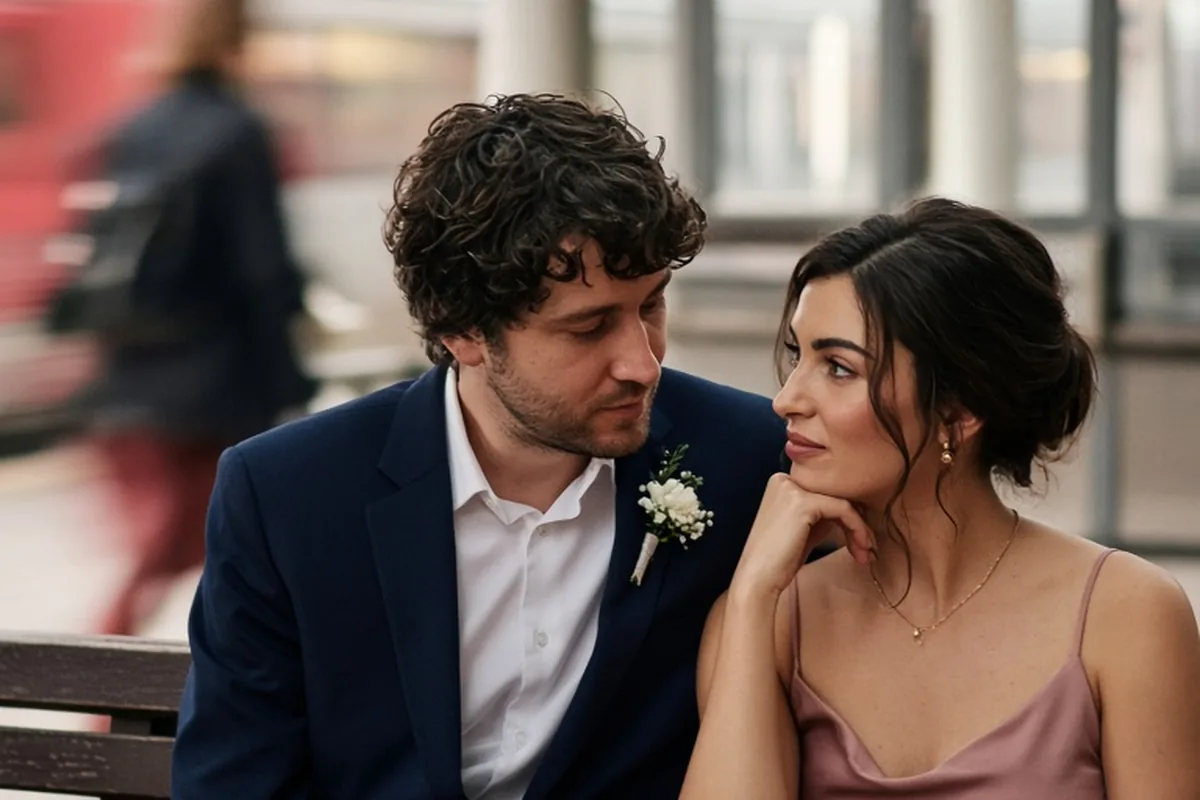
Couples attending a wedding together should follow the exact names listed on the invitation envelope, confirm plus-one parameters before making travel arrangements, and calculate gift budgets jointly based on their overall relationship to the couple. When arriving, partners should balance social support with independent mingling, coordinate attire without wearing matching costumes, and remain present until the cake cutting or formal dances conclude before making a polite exit.
Attending a wedding as a couple introduces a shared set of social obligations that differ from attending alone, requiring alignment on budgets, timelines, social energy, and formal customs.
Navigating Plus-One Clarifications and Envelope Addressing
The primary rule of invitation etiquette begins with the formal mailing envelope. If an invitation is addressed to one person without the phrase and Guest or without naming both partners explicitly, standard etiquette dictates that only the named individual is invited. Couples frequently run into delicate territory when one partner is invited to a colleague's or distant friend's wedding where the hosts have restricted headcounts due to venue capacity or catering costs. Assuming an unlisted partner is automatically included can place hosts in an uncomfortable logistical bind, especially when seating charts and per-person catering commitments have already been finalized.
When an invitation arrives with ambiguous wording, such as addressing an established cohabitating couple by only one first name, the invited partner may make a discreet inquiry to the couple or wedding planner. This inquiry should be framed warmly and without pressure, explicitly acknowledging that venue caps may limit guest counts. If the hosts clarify that space constraints prevent adding significant others, the invited individual must decide whether to attend solo or decline with gratitude, avoiding any negotiation or passive-conscious pressure.
Once attendance is established for both partners, the RSVP card or digital portal must be completed with the exact legal names and meal selections for each person by the requested deadline. Adding uninvited guests directly onto an RSVP card is considered a major breach of guest protocol. If circumstances change after submitting the RSVP, such as an unexpected illness or travel disruption affecting one partner, inform the hosts immediately so they can update their caterer and floor plan accordingly.
Coordinating Wedding Attire Without Looking Overmatched
Coordinating guest outfits as a couple requires honoring the stated dress code while maintaining individual styles. Couples should read the invitation or wedding website carefully to determine whether the event requires white tie, black tie, black tie optional, cocktail, semi-formal, or casual attire. While partners should match in formality level—avoiding situations where one person wears a floor-length evening gown while the other wears an unbuttoned linen shirt—they should avoid wearing matching identical fabrics or colors, which can look more like a uniform or bridal party attire than sophisticated guest wear.
Color coordination works best when complementary tones or shared color families are used subtly. For example, if one partner chooses an emerald green cocktail dress, the other might wear a charcoal suit paired with a neutral shirt and an understated pocket square rather than an exact emerald satin tie that matches the gown identically. Furthermore, both partners must avoid wearing white, ivory, cream, or champagne tones that could compete with the couple of honor, unless the couple has explicitly requested an all-white guest dress code.
Venue and cultural context also play substantial roles in outfit decisions. Outdoor venues with uneven grass, historic estates with fragile flooring, or traditional religious houses of worship often impose practical and modest dress requirements. Couples should discuss footwear practicalities, shoulder coverings, and weather contingencies together before packing, ensuring that neither partner feels uncomfortable or underdressed during ceremony rituals or transitional walks across venue grounds.
Determining Joint Gift Budgets and Registry Contributions
Giving a wedding gift as a couple is typically handled as a single joint contribution from both partners, whether through a physical registry item, a honeymoon cash fund, or a physical card presented at the reception. The traditional guideline of covering the cost of your plate is an outdated and arbitrary metric, as guest catering costs vary wildly by region and venue style. Instead, couples should determine their joint gift amount based on their personal financial comfort, the closeness of their bond with the hosts, and the overall expenses incurred while traveling to the event.
When contributing to cash funds or selecting from a curated registry, signing both names clearly on the digital receipt or accompanying card ensures the couple can accurately record the gift in their thank-you registry tracker. If one partner is close friends with the marrying couple while the other partner has never met them, the gift amount does not necessarily need to double an individual gift budget, but it should represent a thoughtful, unified offering from the household.
For destination weddings where attending couples invest substantial sums in flights, lodging, and multi-day commitments, social etiquette recognizes that travel presence is already a meaningful investment. In these circumstances, couples may choose a modest registry item or a sentimental card with a heartfelt message. Sending physical gifts directly to the hosts' residence prior to the wedding day is strongly preferred over bringing bulky boxes to the reception venue, where bridal parties must manage transport at the end of the night.
Managing Unequal Social Circles and Bridal Party Responsibilities
A common challenge occurs when one partner is deeply embedded in the social circle or serves as a bridesmaid, groomsman, or attendant, while the other partner knows few or no other guests. When one partner has pre-ceremony duties, photos, and designated head table seating, both individuals must set mutual expectations early. The partner who is not involved in the wedding party should prepare to navigate cocktail hour and initial mingling independently rather than expecting constant accompaniment from their busy partner.
The well-connected partner should take proactive steps during cocktail hour to introduce their significant other to mutual acquaintances, family members, or friendly tablemates before being pulled away for photographs or ceremonial duties. Giving the less-connected partner context on who is who can ease conversation starters and help them feel welcome among unfamiliar social groups.
During the reception, partners placed at separate tables during the formal dinner should embrace the seating arrangement graciously without requesting spontaneous seat swaps from the catering team. Once the formal dinner service concludes and open dancing begins, couples can reunite comfortably on the dance floor and spend the remainder of the celebration together.
Handling Dinner Seating, Dietary Needs, and Bar Etiquette
Navigating the culinary and beverage aspects of a wedding reception requires joint mindfulness. When completing meal selections prior to the event, each partner must communicate genuine dietary restrictions, severe allergies, or ethical dietary requirements directly on the RSVP form rather than making surprise requests to venue staff during service. Once seated, couples should adhere to their assigned table cards, as catering teams organize service lines based on designated seating charts.
At the bar, couples should balance enjoyment with composure. An open bar is a hospitality gesture provided by the hosts, not an invitation to excess. Partners should establish an unspoken or explicit check-in system to ensure both individuals pace their alcohol consumption, drink sufficient water throughout the evening, and maintain decorum in front of family members, elders, and professional colleagues.
If one partner chooses not to drink alcohol, both partners should support that choice smoothly without drawing unnecessary attention to the decision. When visiting the bar together, ordering both drinks at once can keep lines moving efficiently for other guests, and tipping the bartending staff if a tip jar is present remains a courteous standard of practice.
Executing a Graceful Departure and Respecting the Reception Timeline
Knowing when and how to leave a wedding reception is a critical component of couple etiquette. As a general standard, couples should remain in attendance at least until the formal events—such as dinner, toasts, parent dances, and the cake cutting—have concluded. Leaving prior to the cake cutting can signal disinterest to the hosts, whereas staying well past the designated venue curfew can create logistical burdens for the cleanup crew and bridal family.
Before departing, couples should make an effort to say a brief, warm goodbye to the newlyweds or their immediate hosts if a natural opening appears. However, if the couple is surrounded by a dense crowd or engaged in a structured dance, partners should avoid interrupting the moment and instead say goodbye to parents of the couple or wedding party members. Lingering in long conversation lines when the newlyweds are trying to greet hundreds of attendees can delay the evening's schedule.
If an emergency, fatigue, or travel schedule requires an early departure before the reception concludes, the couple should slip out quietly without making a theatrical announcement that disrupts other guests or distracts the hosts. Following up with a warm text message or handwritten card the following day expressing gratitude for the wonderful hospitality ensures a positive, considerate conclusion to the event.
Frequently asked questions
Can we bring our children if only our names are on the invitation?
No. If your children's names or the phrase 'and Family' are not explicitly written on the invitation envelope, the event is intended for adults only. You should arrange childcare rather than asking the hosts to make an exception for your family.
How much should a couple give for a wedding gift?
There is no mandatory fixed dollar amount for couples. Gift amounts should reflect your household budget, your closeness to the couple, and your overall travel costs. Selecting an item directly from the registry or contributing an affordable amount to a cash fund is standard practice.
What should we do if one of us falls ill on the morning of the wedding?
The healthy partner may attend alone if comfortable, or both may stay home to prevent spreading illness. Send a discreet message to the maid of honor, best man, or wedding planner so they can notify the caterer without bothering the newlyweds directly on their wedding morning.
Is it rude for a couple to sit separately during the reception?
It is not rude if the seating arrangement was designed that way by the hosts, such as when one partner sits at a head table with the wedding party while the other sits at a guest table. Guests should never swap place cards or move chairs without explicit host approval.
Your next step
Review your wedding invitation envelope together today to confirm named guests, double-check the RSVP deadline, and align on your shared travel and attire plan.