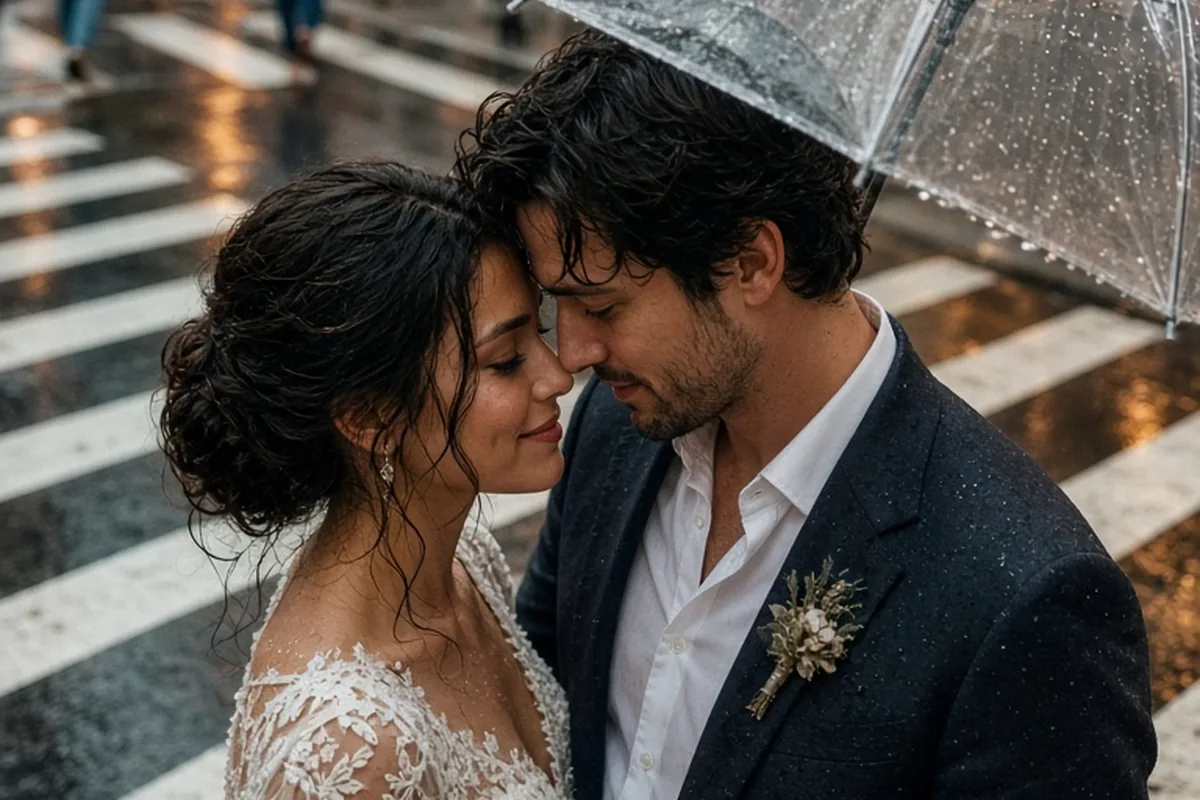
Hiring a wedding officiant for 50 guests requires balancing personal storytelling with smooth ceremony management suited to an intimate gathering. For this guest count, couples typically choose between a professional celebrant, an ordained religious leader, a civil official, or an ordained friend. Because fifty attendees form a close-knit audience where every word carries emotional weight, prioritize an officiant who crafts a tailored script, manages sound logistics effectively, and handles the legal filing of your marriage license according to local jurisdiction rules.
A wedding with fifty guests sits in an intentional sweet spot between an elopement and a large banquet, giving you the rare opportunity to create a deeply personal ceremony where everyone in attendance feels actively involved.
Choosing the Right Wedding Officiant for a 50-Guest Ceremony
A 50-person guest list changes the dynamic of your ceremony fundamentally. In a gathering of this size, there are no anonymous faces in the back row; every guest is someone with whom you share meaningful history. Choosing the right officiant comes down to deciding what kind of presence best matches your tone. Professional celebrants specialize in custom narrative crafting, weaving your personal courtship, challenges, and shared values into a bespoke script. They bring polished public speaking skills, understand how to modulate vocal energy in smaller spaces, and carry the experience necessary to calm couple nerves right at the altar.
Civil officiants, such as justices of the peace, judges, or city clerks, offer a streamlined, secular approach. Their ceremonies are typically straightforward, legally precise, and concise, making them an excellent choice for couples who prefer minimal public speaking or plan to host their primary personal expressions during reception toasts. Religious leaders provide traditional liturgy, spiritual blessings, and ritual continuity, which may be non-negotiable for your families. However, you should confirm in advance whether their house of worship permits off-site ceremonies or imposes specific script constraints that could feel disproportionate in an informal venue.
Asking a trusted friend or family member to become ordained online is another popular route for a mid-sized wedding. A loved one brings genuine affection and private memories that no hired professional can duplicate from scratch. The trade-off lies in stage presence and administrative diligence. An amateur officiant must master crowd command, avoid inside jokes that alienate portions of your guest list, and strictly navigate statutory legal filing requirements without professional oversight.
Navigating Marriage License Laws and Ordination Rules
Regardless of who stands at the altar, your officiant must hold legal standing to solemnize marriages within the specific county and state where your ceremony occurs. Marriage regulations are established entirely at the state and municipal levels, meaning rules that apply in one jurisdiction may be completely invalid twenty miles away across a county or state border. Some jurisdictions accept credentials from online non-denominational ministries immediately and without prior registration. Others require non-resident clergy or newly ordained individuals to register their ordination credentials, identification, and a fee with the local court or clerk's office weeks before the ceremony takes place.
You and your partner must independently verify the marriage license application window, waiting periods, and return deadlines with the issuing government office. In many states, a marriage license expires within thirty to sixty days of issuance, while some enforce a mandatory twenty-four to seventy-two hour waiting period between pulling the license and conducting the ceremony. After the ceremony concludes, the officiant bears the legal responsibility to sign the completed document alongside any required witnesses and return it to the municipal recorder within the statutory deadline. Failing to verify these logistical rules ahead of time can delay your legal recognition or invalidate the certificate entirely.
Structuring an Intimate Script That Engages 50 Attendees
A ceremony written for two hundred people often relies on formal, standardized phrasing to carry across a cavernous sanctuary or ballroom. With fifty guests, that same script can feel rigid and detached. A successful script for this mid-sized audience feels like a shared conversation, acknowledging the supportive presence of the individuals sitting in the seats. Work with your officiant to establish a natural narrative arc that moves smoothly from an inviting opening through your personal stories, the exchange of vows, the presentation of rings, and the final pronouncement.
Aim for a total ceremony duration between fifteen and twenty-five minutes. Fifteen minutes ensures that the event feels deliberate and substantive, while keeping it under twenty-five minutes prevents restless standing or sitting, especially in outdoor or non-traditional spaces without cushioned seating. A skilled officiant will ask you detailed questions during preliminary consultations to discover your shared history, preferred philosophical tone, and boundaries regarding humor or emotional vulnerability.
This guest count also unlocks interactive ceremony rituals that fall apart at larger weddings. For example, a ring warming ceremony—where your wedding bands are passed through the hands of each guest for a silent blessing before being brought to the altar—is perfectly manageable with fifty people and typically takes only four to six minutes. Similarly, an officiant can ask the entire room for a collective vow of support, inviting all fifty guests to verbally pledge their encouragement for your marriage. These communal touches transform passive spectators into active participants.
Managing Audio and Sound Equipment for Mid-Sized Spaces
A common miscalculation during fifty-person weddings is assuming you do not need amplification. While fifty people seated in a quiet, carpeted library or small private dining room can hear an unamplified speaker clearly, the acoustics change drastically in outdoor gardens, historic barns, rooftop terraces, or waterfront venues. Ambient environmental sounds such as gusting wind, distant traffic, fountain water, or crashing waves quickly swallow an unamplified human voice, forcing the officiant to shout rather than speak warmly and conversationally.
Consult with your venue coordinator, professional officiant, or sound technician about implementing a discrete public address system. The ideal setup pairs the officiant with a low-profile wireless lapel or headset microphone, leaving their hands free to manage the ceremonial binder or tablet. Keep a separate wireless handheld microphone mounted on a stand or handed off between partners for your vow exchange. Handing a single microphone back and forth can create physical awkwardness and handling noise, whereas relying on an officiant's chest-mounted lavalier mic rarely picks up both partners' vows clearly.
If you are using acoustic musicians or a digital playlist for the processional and recessional, your officiant must coordinate cueing directly with the sound operator. In an intimate ceremony, abrupt song cutoffs or mismatched volume levels are immediately noticeable. An experienced officiant will designate clear visual signals to cue music fade-outs as the wedding party reaches the altar and to prompt celebratory recessional tracks the moment the pronouncement concludes.
Organizing the Processional and Altar Staging Without a Coordinator
Many 50-guest weddings operate without a full-service day-of coordinator, placing the responsibility of ceremony flow on the couple and the officiant. Holding a thirty-minute walkthrough rehearsal the day prior is the most reliable way to avoid awkward traffic jams at the start of your service. Your officiant should take the lead during this walkthrough, demonstrating where each person should stand, how to pace the walking cadence down the aisle, and where to hold bouquets or hands naturally.
Altar spacing requires intentional staging when you have fifty guests. In a large hall, wedding parties often spread out widely, but in a compact space, a wide line obscures the couple from the guests sitting on the outer edges. Your officiant should instruct the wedding party to angle inward at a slight forty-five-degree tilt toward the center. This creates a semi-circle that frames the couple while maintaining clear sightlines for everyone seated in the rows.
Choreographing small transitions ahead of time eliminates awkward hesitations during the ceremony. Clarify whether your officiant will invite the audience to sit after the entrance, who will hold the marriage rings until the exchange, and when the maid of honor or best person should step forward to adjust a dress train or hold a bouquet. Most importantly, instruct your officiant to step completely out of frame right before you share your first married kiss so your photographer captures a clean, unobstructed image of the two of you.
Understanding Officiant Fee Structures and Service Contracts
Officiant pricing varies widely based on geographic market, experience, and the degree of ceremony customization requested, rather than the headcount of your guests. A basic service contract for a simple, pre-written script with no rehearsal typically represents the base pricing tier. Comprehensive packages that include personalized script development, multiple draft revisions, phone or video interviews, rehearsal direction, and certified mailing of the completed marriage license represent the higher tier.
When evaluating quotes from independent officiants, ask for an itemized breakdown of services to avoid unexpected add-on charges. Inquire whether their quote covers travel time and mileage to your venue, their presence and leadership at the rehearsal, and postage for filing the official documentation. If your ceremony is outdoors, confirm their policies regarding weather delays or shelter requirements for their electronic equipment. Always demand a written contract that outlines cancellation policies, refund terms, and the exact protocol for securing a qualified backup officiant should an illness or emergency prevent them from attending.
Wedding Day Coordination and Legal Document Execution
On the day of the ceremony, your officiant should arrive thirty to forty-five minutes before the invitation start time. This buffer allows them to complete a sound check with the audio technician, confirm that the rings are with the designated person, and verify that both partners are calm and physically present. It also provides a final opportunity to review any last-minute adjustments to personal vows or family seating arrangements without rushing.
Determine beforehand when the legal signing of the marriage license will take place. Completing this step immediately following the ceremony during the first moments of cocktail hour is generally the smoothest approach. Designate two witnesses ahead of time who meet the legal age requirements of your local jurisdiction, and ensure they have government-issued identification accessible. Once signed, assign a trusted family member or confirm that the officiant will maintain physical custody of the license to ensure it is returned safely to the local recording office within the mandated time frame.
Frequently asked questions
Does a 50-guest ceremony require a microphone for the officiant?
Yes, amplification is strongly recommended for almost all venues except small, quiet indoor rooms with excellent natural acoustics. Outdoor locations, spaces with hard echoey surfaces, or venues near water and traffic create ambient noise that makes unamplified voices difficult for back-row guests to understand clearly.
Can an ordained friend legally officiate our 50-person wedding?
In many states and counties, an ordination received through an established online organization is legally sufficient to solemnize a marriage. However, certain jurisdictions require clergy registration, background documentation, or disallow purely internet-based ordinations, making it essential to confirm requirements with your local county clerk prior to the ceremony.
How long should an intimate ceremony for 50 guests last?
An ideal ceremony for fifty attendees lasts between fifteen and twenty-five minutes from the start of the processional to the recessional. This duration allows enough time for thoughtful storytelling, personal vows, and meaningful rituals without creating physical discomfort or restlessness among your guests.
Your next step
Schedule introductory video calls with two or three local officiants this week to compare their presentation styles, script customization processes, and contracts before committing.