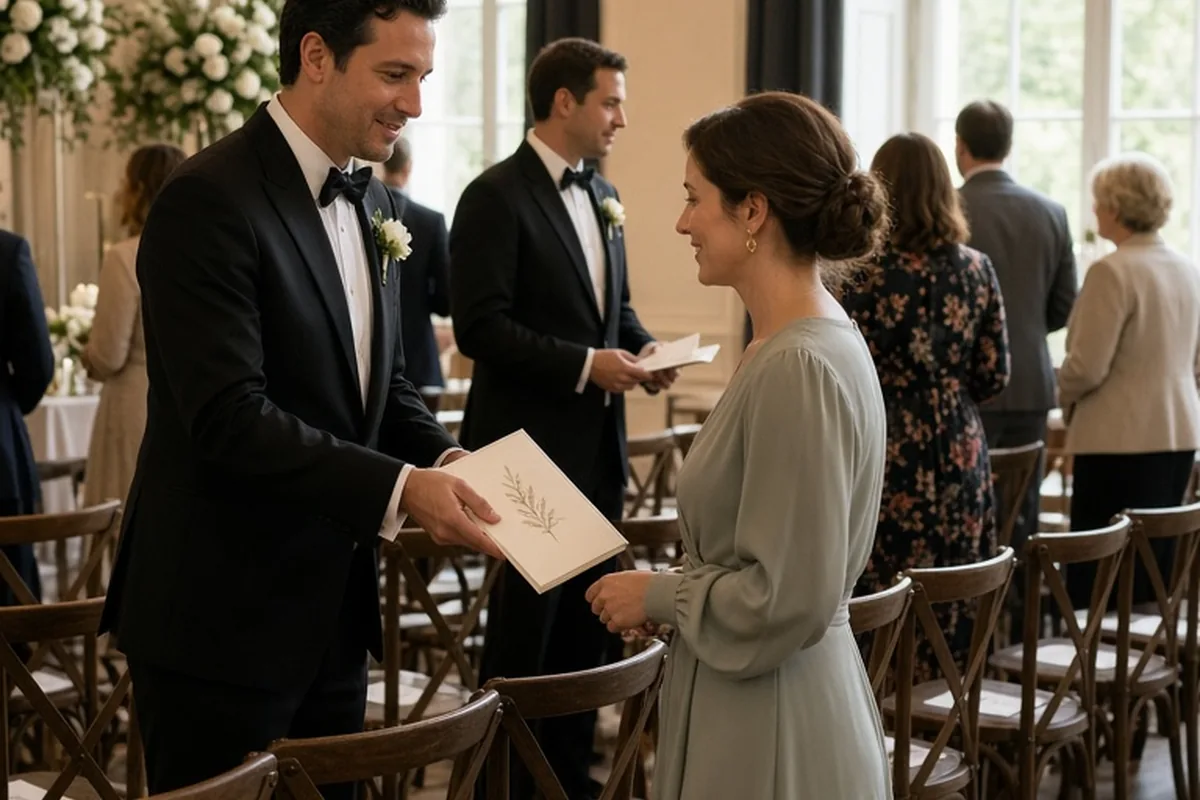
A wedding party consists of the close friends and family members chosen by a couple to support them throughout the planning process and stand beside them during the ceremony. Key roles typically include honor attendants, bridesmaids, groomsmen, attendants of any gender, ushers, and young participants like ring bearers. Together, they assist with pre-wedding events, manage day-of logistics, provide emotional encouragement, and serve as official witnesses to the marriage.
While wedding traditions continue to evolve, the foundational purpose of a wedding party remains rooted in personal community and mutual care. Choosing your attendants and defining their involvement shapes your planning timeline, day-of dynamics, and shared expenses leading up to the celebration.
Core Roles, Titles, and Practical Responsibilities
The leadership core of any wedding party consists of the honor attendants, traditionally referred to as the maid or matron of honor and the best man. In modern celebrations, couples frequently use inclusive titles such as man of honor, best woman, or person of honor. These individuals serve as the primary coordinators among the attendants, assisting with attire coordination, leading the planning for pre-wedding celebrations, and acting as the couple's point person on the wedding day. During the ceremony, honor attendants typically hold the rings, manage the bouquet, adjust attire during the vows, and sign the marriage license as legal witnesses.
Bridesmaids, groomsmen, and general attendants form the broader supporting group. Their core duties involve purchasing or renting designated attire within agreed timelines, attending major events such as the rehearsal and rehearsal dinner, assisting guests with directions or programs when needed, and participating in formal photography sessions. Beyond logistical tasks, their primary role is providing steady emotional presence, helping the couple navigate schedule changes, and keeping energy positive throughout long event timelines.
Additional specialized roles include ushers, who seat guests according to family arrangements and distribute ceremony programs, as well as junior attendants, flower children, and ring bearers. Junior attendants are typically older children or teenagers who walk in the processional and participate in photos without the full financial or hosting responsibilities of adult attendants. Clarifying each person's specific day-of tasks well in advance prevents confusion and ensures every participant feels valued and prepared.
Determining Party Size, Side Balance, and Selection Criteria
Choosing how many people to include involves balancing personal relationships with practical venue and budget realities. Larger wedding parties create a festive, community-centered atmosphere, but they also introduce logistical complexity, including longer getting-ready schedules, larger transportation needs, expanded rehearsal dinner guest counts, and higher costs for items like bouquets, boutonnieres, and attendant gifts. Smaller parties of one to three people per side often streamline communication, reduce day-of scheduling delays, and simplify coordination in intimate ceremony spaces.
Symmetry between sides is entirely optional. Modern weddings routinely feature uneven numbers, such as four attendants on one side and two on the other, without any disruption to the aesthetic or flow of the ceremony. Processionals can easily be arranged with attendants walking individually, in pairs, or in trios, while altar groupings can be spaced naturally across the staging area. Couples should focus on inviting people who offer consistent support rather than adding acquaintances simply to match numbers.
When deciding whom to invite, prioritize reliability, emotional ease, and current relationship depth over past obligations or reciprocal expectations. Just because you stood in a friend's wedding several years ago does not obligate you to include them if your relationship has shifted. Consider whether a prospective attendant communicates reliably, handles group settings comfortably, and demonstrates respect for your personal boundaries and budget limits.
Navigating Financial Expectations and Who Pays for What
Financial transparency is essential when forming a wedding party. Attendants typically cover their own formalwear purchases or rentals, necessary alterations, personal footwear, travel to and from the wedding location, and lodging for the weekend. They also commonly contribute toward the shared costs of hosting pre-wedding events, such as a bridal shower or bachelor and bachelorette gathering, based on what the group collectively agrees is affordable.
The hosting couple traditionally covers the cost of personal floral items, such as bouquets, boutonnieres, or floral corsages, as well as day-of transportation between preparation sites, the ceremony, and the reception. Couples also host the attendants at the rehearsal dinner and provide a meaningful thank-you gift. Furthermore, if a couple mandates professional hair styling, makeup application, or specific lodging accommodations, wedding etiquette strongly encourages the couple to pay for those services directly on behalf of their attendants.
To avoid putting attendants in uncomfortable financial positions, provide clear, written estimates of anticipated costs before finalizing their acceptance. Share attire options with flexible price points or provide broad color palettes that allow attendants to select styles within their personal budgets. If an attendant privately shares that certain expenses exceed their means, consider offering to cover specific items discreetly or creating alternative ways for them to participate without financial strain.
Pre-Wedding Milestones and Event Planning Timelines
A structured timeline ensures that attendant duties remain manageable and do not compete with personal or work commitments. Between six and nine months before the wedding, the couple should share attire guidelines and color swatches so attendants can place orders within standard manufacturing windows. Because formalwear production and custom alterations can take several months, ordering early prevents expedited shipping fees and scheduling bottlenecks close to the event date.
Honor attendants and fellow wedding party members generally begin organizing pre-wedding gatherings three to six months ahead of the celebration. When planning bachelor, bachelorette, or shower events, coordinators should establish an anonymous budget survey among all participating attendants before booking non-refundable lodging, flights, or activities. Keeping destinations accessible and scheduling optional participation windows ensures everyone can contribute within their comfort level without feeling excluded.
During the final month, the couple should distribute a comprehensive weekend itinerary to all attendants. This document should specify arrival times for hair and makeup, formal photo call times, transportation departure points, ceremony rehearsal details, and designated responsibilities for packing up personal items at the conclusion of the reception. Providing clear schedules well in advance minimizes last-minute questions and allows attendants to focus on supporting the couple.
Wedding Day Logistics, Emotional Support, and Ceremony Execution
On the morning of the wedding, the wedding party plays a vital role in maintaining an organized and relaxed environment. Attendants can assist by unpacking and steaming garments, keeping preparation suites tidy, ensuring the couple eats meals and stays hydrated, and managing incoming questions from vendors or arriving guests. Having a designated attendant hold the couple's personal mobile devices prevents communication overload during the hours leading up to the ceremony.
During formal photography and the ceremony, attentiveness to visual details makes a significant difference. Attendants should monitor simple adjustments, such as smoothing train fabrics, straightening lapels, adjusting ties, and holding personal items out of camera frame. The honor attendants manage the exchange of bouquets during the vows and hand over the wedding bands at the appropriate cues, while ushers ensure late-arriving guests are seated discreetly between musical transitions.
At the reception, the wedding party helps set a welcoming, energetic tone for the evening. Attendants participate in grand entrances if planned, deliver prepared toasts that remain warm, respectful, and concise, and assist the couple with practical needs such as bustling the dress or securing cards and gifts in a safe location. Their active participation on the dance floor and engagement with guests helps maintain momentum throughout the night.
Managing Communication Friction, Boundaries, and Role Adjustments
Interpersonal friction can arise when communication breaks down, schedules conflict, or financial pressures create unspoken resentment. If tension emerges within the group, address the issue promptly and privately rather than in group text threads or public settings. Focus conversations on specific logistical needs and observable facts rather than making assumptions about an individual's commitment, enthusiasm, or personal character.
Life circumstances such as job changes, family obligations, health concerns, or financial shifts can occasionally make it impossible for an attendant to fulfill their initial commitment. If an attendant indicates they need to step down, receive the news with understanding and gratitude for their honesty rather than frustration. Reassure them of your friendship and offer alternative ways to celebrate together, such as attending purely as a guest or participating in a single reading during the ceremony.
Similarly, if an attendant becomes consistently unresponsive or expresses persistent distress regarding their participation, the couple should initiate a gentle, supportive check-in. Asking open questions about whether the current commitments still work for their schedule creates a pressure-free space for adjustment. Preserving long-term friendships should always take priority over rigid adherence to wedding party conventions.
Frequently asked questions
How far in advance should you ask someone to be in your wedding party?
It is customary to ask attendants between eight and twelve months before the wedding date, once your venue and date are confirmed. This window provides ample time for attire ordering, travel bookings, and personal scheduling without causing rushed commitments.
Is it acceptable to have an uneven number of attendants on each side?
Yes, having an uneven number of attendants is entirely normal and widely accepted in modern weddings. Processionals, ceremony altar spacing, and photos can easily be styled to look balanced and natural regardless of the exact headcount on either side.
What should a couple do if an attendant cannot afford the expected expenses?
Couples can offer to cover specific costs directly, such as purchasing their attire, covering accommodation, or paying for professional beauty services. Alternatively, the couple can modify the attire requirements or offer a meaningful ceremony role that involves no financial burden, such as giving a reading.
What is the difference between a maid of honor and a matron of honor?
Traditionally, a maid of honor is an unmarried honor attendant, while a matron of honor is married. Couples can include one, both, or choose alternative gender-neutral titles such as person of honor or honor attendant based on personal preference.
Your next step
Draft a clear, written summary of anticipated dates, attire guidelines, and estimated expenses to share with prospective attendants before officially asking them to join your wedding party.