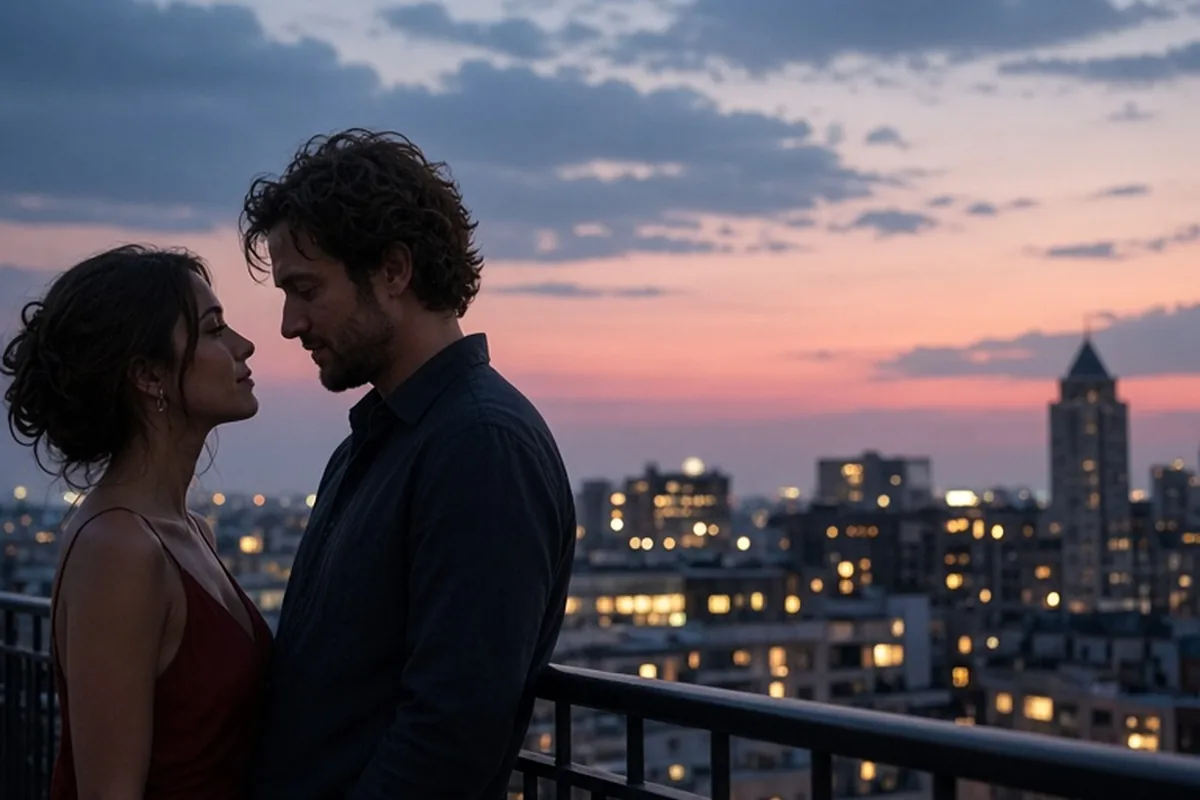
Wedding photographer costs depend on coverage hours, geographic market rates, photographer experience, team size, and included deliverables like physical albums or high-resolution digital files. Most professional photographers price their services through structured full-day packages, hourly collections, or customized menus. Because pricing fluctuates significantly based on local cost of living and business overhead, obtaining written, itemized quotes directly from local vendors is the most dependable method to determine your exact photography expenses.
Budgeting for professional wedding photography involves more than calculating the hours an artist stands behind a camera on your wedding day. A comprehensive look at how photographers set their rates helps couples understand what they are paying for, identify necessary services, and compare vendor proposals accurately.
How Wedding Photographers Structure Base Package Pricing
When evaluating photography proposals, couples often wonder why professional rates can vary so dramatically between providers. A photographer base package reflects extensive operational expenses alongside artistic labor. Beyond the scheduled hours on the wedding day itself, a professional invests substantial time into client consultations, venue walkthroughs, timeline planning, file management, culling thousands of images, color grading, and delivering final high-resolution galleries. This non-shooting labor often totals multiple full working days for a single event.
In addition to direct labor, wedding photography rates incorporate critical business overhead necessary to protect a couple's investment. This includes professional-grade camera bodies, backup lenses, lighting equipment, high-capacity memory cards, cloud storage redundancies, editing software subscriptions, commercial liability insurance, and self-employment taxes. Photographers who maintain full equipment redundancies and professional business insurance set their baseline rates to sustain these ongoing operational expenses, ensuring they can reliably deliver on contractual promises.
Hourly Coverage Models vs. Comprehensive Full-Day Collections
One of the primary structural choices you will encounter is whether a photographer charges by the hour or sells comprehensive multi-hour collections. Hourly rates are common for elopements, micro-weddings, or couples who only require coverage for a focused portion of the day, such as the ceremony and formal portraits. While hourly booking provides flexibility, it requires a rigid day-of schedule; running behind schedule can lead to unexpected overtime charges or missed moments if coverage ends before key reception events occur.
Full-day collections typically encompass eight to ten or more continuous hours, designed to capture the entire narrative arc from morning preparations through the reception send-off. These bundled packages often provide better overall value per hour than standalone hourly billing and eliminate the stress of watching the clock during unexpected timeline delays. When comparing options, verify whether package hours must be used continuously or if split coverage is permitted across different parts of the day.
Deliverables and Upgrades That Shape the Final Invoice
The specific deliverables included in a contract significantly influence the total cost of photography services. A standard baseline package typically includes personal printing rights and a curated gallery of edited, high-resolution digital files. However, upgrades such as custom-designed, flush-mount heirloom albums, parent albums, fine art canvas prints, and engagement portrait sessions will increase the overall proposal total. Engagement sessions are frequently bundled into mid-tier packages to help couples build rapport with their photographer before the main event.
Another major variable is the inclusion of a second photographer. Hiring a second shooter allows for simultaneous coverage of separate getting-ready locations, alternative angles during the ceremony, and thorough documentation of cocktail hour while the lead photographer conducts formal family portraits. While adding a second professional increases the package price, it provides comprehensive coverage for medium-to-large guest counts and acts as an additional layer of logistical backup throughout the day.
Travel Fees, Venue Requirements, and Ancillary Expenses
Unexpected expenses can emerge if your wedding location falls outside a photographer's primary operational zone or involves unique venue restrictions. Many photographers include a set radius of standard travel within their local market, but travel beyond that threshold typically incurs mileage surcharges, flight reimbursements, rental car fees, or hotel lodging stipends. For destination celebrations, contracts generally specify whether travel costs are billed at actual cost via itemized receipts or charged as a standardized flat fee.
Couples must also review venue requirements that carry potential financial implications. Certain high-end or historic venues mandate that all visiting vendors provide proof of high-limit commercial general liability insurance, which unvetted amateur photographers may lack. Additionally, standard wedding photography contracts typically include clauses requiring the couple to provide hot vendor meals during the reception for each working photographer, as well as clear overtime billing rates should the event run later than scheduled.
Photographer Experience Tiers and Studio Business Models
The commercial structure of a photography business plays a substantial role in quote variation. Solo owner-operators who limit their calendar to a boutique number of weddings per year often charge premium rates for their personalized, high-touch artistic vision. In contrast, multi-photographer agencies or associate studios manage higher booking volumes, matching clients with trained associate shooters while handling editing and customer service centrally, which can offer alternative price points across varying tiers.
Experience level also directly impacts pricing and reliability. Established professionals with years of specialized wedding experience charge rates that reflect their ability to handle challenging lighting scenarios, manage difficult family dynamics, troubleshoot equipment failures seamlessly, and keep tight timelines on track. Newer photographers entering the wedding industry may offer lower rates as they build their portfolios, representing a budgetary trade-off between cost savings and seasoned event-day management.
Contract Clauses, Usage Rights, and Post-Production Terms
Before signing a contract or committing a deposit, reviewing the legal and post-production terms is essential to prevent unexpected fees later. Ensure the agreement explicitly grants personal print release rights, which permit you to print images at your chosen lab and share high-resolution files without paying individual digital download fees. The contract should clearly state whether the delivered files will be fully color-corrected, retouched, and delivered free of watermarks.
Turnaround timeframes and file retention policies should also be documented in writing. Standard post-production timelines can range from a few weeks to several months depending on the season and the photographer's workload, with rush processing often available for an additional fee. Furthermore, verify how long the photographer maintains archival backups of your raw and finished digital files online, as long-term gallery hosting beyond an initial period may involve small renewal fees.
Timeline Optimization to Maximize Photography Coverage Value
You can optimize your photography spending without sacrificing critical memories by strategically structuring your wedding day schedule. For example, scheduling a first look before the ceremony allows you to complete bridal party and family portraits in natural daylight, condensing the necessary hours of coverage. This approach ensures you capture the most important posed images early, allowing you to choose a package with fewer hours rather than paying for late-night reception coverage.
Similarly, consolidating major reception milestones—such as the cake cutting, first dance, and parent dances—immediately following dinner allows your photographer to capture all major ceremonial traditions within an eight-hour window. Since open-floor dancing rarely requires multiple hours of professional documentation, concluding photography coverage earlier in the reception avoids expensive overtime charges while preserving coverage of your most meaningful moments.
How to Gather and Compare Local Photography Proposals
Because wedding photography rates are tied directly to regional cost of living and specific event demands, gathering localized quotes is the most dependable way to establish your budget. When reaching out to photographers, provide exact details including your venue location, estimated guest count, hours of intended coverage, and desired deliverables like albums or engagement sessions. Providing consistent details ensures that the quotes you receive can be evaluated on an equal footing.
Once proposals arrive, create a side-by-side comparison that looks beyond the bottom-line number. Evaluate the number of shooting hours, the presence of a second photographer, album specifications, turnaround guarantees, and liability coverage. Comparing line items systematically allows you to identify genuine value and select a professional whose artistic style and business practices align with your priorities.
Frequently asked questions
What is typically included in a standard wedding photography package?
A standard package generally includes continuous hours of day-of coverage, professional editing and color correction, high-resolution digital files delivered via an online gallery, and a personal print release. Upgraded packages may add a second photographer, engagement portraits, physical heirloom albums, or extended coverage hours.
Why do quotes for wedding photography vary so widely in the same area?
Price variations stem from differences in photographer experience, equipment quality, business overhead, team size, and post-production time. Established boutique photographers who take on a limited number of events charge higher rates than high-volume studios or newer photographers building their portfolios.
Should I hire a second photographer for my wedding?
A second photographer is beneficial if you have more than 100 to 150 guests, are getting ready in separate locations, or want comprehensive coverage of cocktail hour while formal portraits are being taken. For smaller, single-location weddings with relaxed timelines, a single experienced lead photographer is often sufficient.
How far in advance should I book my wedding photographer?
Most couples book their wedding photographer nine to twelve months prior to their event date, particularly for peak spring and autumn dates. In-demand professionals with limited calendars often book more than a year in advance, so early outreach is recommended once your venue and date are confirmed.
Your next step
Draft a preliminary wedding day timeline and request itemized, written proposals from three local photographers to compare deliverables, coverage hours, and contract terms directly.