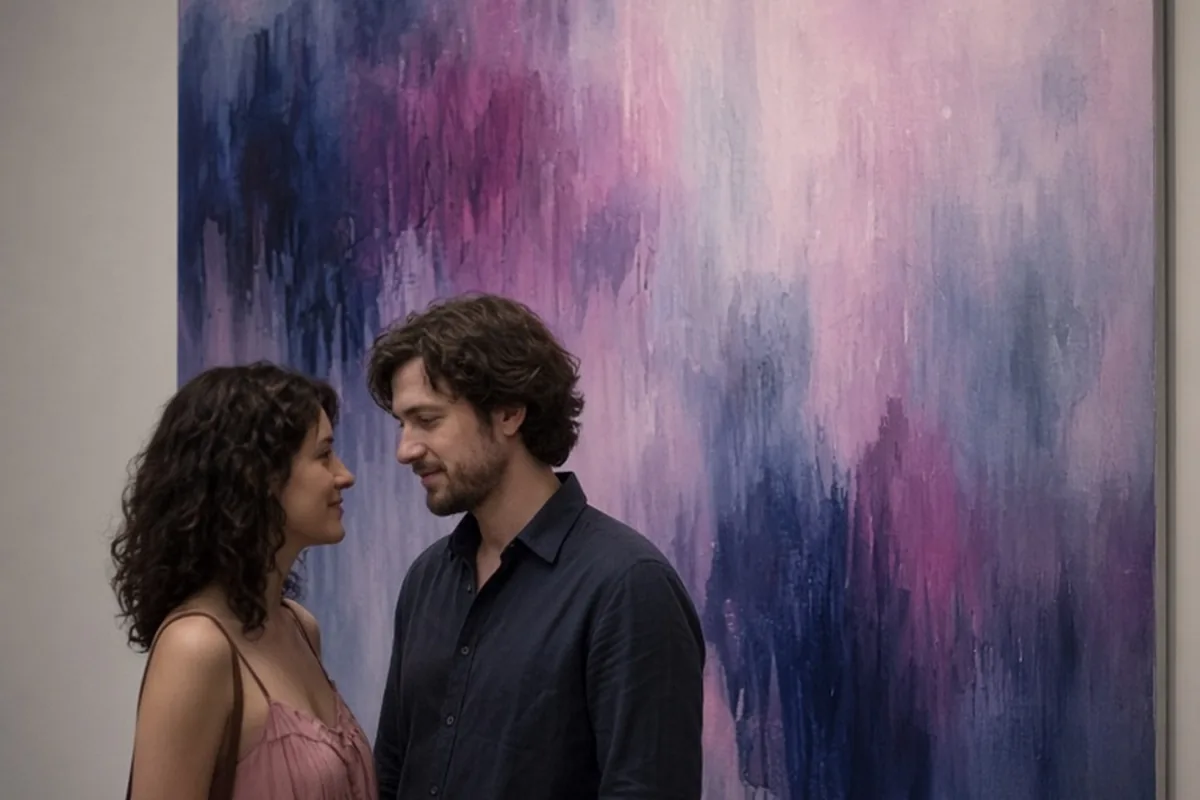
Wedding photographer ideas for small weddings prioritize capturing genuine guest interactions, taking full-party portraits, and designing flexible timelines around intimate spaces. Instead of rigid multi-hour staging, couples can use split coverage between ceremonies and private dinners, create unposed cocktail-style group pictures, incorporate ambient low-light portraiture in boutique venues, and give every guest dedicated photo coverage without turning the gathering into an all-day production.
Small weddings and micro-celebrations shift the entire photographic dynamic from managing crowd logistics to preserving authentic, close-knit connections.
Rethinking the Traditional Shot List for Smaller Guest Counts
Traditional wedding photography shot lists are built around large logistics, prioritizing dozens of formal family combinations to ensure distant relatives appear in at least one frame. When hosting an intimate gathering of twenty to fifty people, working through a standardized checklist often interrupts the natural flow of the day and introduces unnecessary stiffness. With fewer people present, you have the rare opportunity to abandon generic lineup grids and focus on dynamic, conversational imagery that reflects how your closest friends and family actually interact.
A practical alternative is the all-guest portrait, where the photographer gathers the entire room for one cohesive, editorial-style group portrait right after the ceremony while energy is high. Because the group is manageable, your photographer can position people naturally across furniture, steps, or architectural features rather than stacking them in tight, tiered rows. This gives you a complete visual record of everyone who attended in a single setup, freeing up the rest of the day for unprompted moments.
You can also schedule dedicated couple-with-guest micro-portraits throughout the reception. Instead of calling names from a clipboard, the photographer can shadow you during cocktail hour or dinner transitions, capturing brief, relaxed three-person and four-person groupings as conversations occur naturally. This method keeps guests from feeling like they are waiting in a queue while still guaranteeing that every attendee appears in crisp, beautifully composed images.
Structuring Flexible Timelines and Split-Day Coverage
Large weddings often require eight to ten consecutive hours of photography to document lengthy hair and makeup sessions, separate wedding party portraits, extensive cocktail hours, and late-night dancing. Small weddings rarely require this level of continuous coverage, which opens up creative scheduling options that maximize both budget and daylight. Instead of paying for empty downtime between events, look into modular or split-hour coverage that targets only the most visually rich chapters of your day.
A popular approach for micro-weddings is the split-day schedule. If you are having a morning ceremony followed by an afternoon break before a private dining room dinner, discuss whether your photographer offers a split block. For example, two hours of morning coverage can document the vows, immediate family hugs, and daytime portraits, followed by a three-hour pause, and finishing with two hours of evening coverage for twilight portraits, heartfelt dinner toasts, and cake cutting. This avoids paying for a photographer to sit through a three-hour lull when nothing is happening.
Another effective framework is the portrait-first timeline. Because there are no large bridal parties or hundreds of arriving guests to hide from, you and your partner can complete all formal couple portraits and immediate family photos before the ceremony begins. Once the vows conclude, you can walk directly into your gathering without leaving your guests unattended for an extended photo session, allowing the photographer to capture pure documentary coverage from that moment forward.
Small Wedding Photography Styles and Cozy Venue Considerations
Micro-weddings frequently take place in non-traditional venues such as historic brownstones, private dining rooms, rooftop terraces, greenhouse conservatories, or rental estates. While these locations offer unmatched charm and character, they present distinct photographic challenges, particularly regarding space limitations and ambient lighting. Selecting a photography style that complements these tight, character-filled environments is essential for clean, atmospheric images.
Documentary and editorial styles work exceptionally well in cozy settings because they rely on wide-angle perspectives and natural spatial storytelling. A skilled photographer can use structural elements like doorways, archways, and window light to frame scenes without needing to stand ten feet back from the subject. When interviewing photographers, ask to see full galleries of intimate indoor events rather than just sprawling outdoor ceremonies or brightly lit ballrooms. Look for how they handle ambient restaurant lighting, candlelight, and shadow tones without washing out the room's atmosphere with harsh on-camera flash.
It is also critical to verify the physical footprint of the photographer's gear. In a small dining space or compact chapel, large light stands, bulky softboxes, and multiple camera bags can clutter the room and obstruct guest sightlines. Photographers experienced with small gatherings typically work with lightweight, prime-lens kits and subtle bounce flash techniques, allowing them to move quietly through tight tables without altering the intimate mood of your celebration.
Engaging Guests with Interactive Photo Elements
In a small wedding, guests are active participants rather than distant spectators, and your photography strategy can reflect that shared closeness. Incorporating interactive elements gives attendees an engaging activity during reception downtime while creating tangible, nostalgic keepsakes alongside your professional digital gallery.
One creative approach is setting up a curated portrait corner styled with comfortable vintage chairs, local floral arrangements, and flattering ambient light. Instead of an automated, novelty photo booth with props, your photographer can spend twenty to thirty minutes taking high-end, editorial individual and couple portraits of your guests. Because the guest list is small, almost everyone can receive a studio-quality portrait that doubles as a thoughtful post-wedding gift when you send your thank-you notes.
You can also integrate tangible analogue photography by placing instant film cameras or high-quality disposable cameras on guest tables with simple prompts. While your primary photographer captures high-resolution digital files, guest-taken polaroids create a spontaneous, tactile record of the meal from multiple perspectives. Guests can paste their prints into a shared guestbook alongside handwritten notes, providing immediate visual memories on the wedding night itself.
Evaluating Solo Photographers Versus Second Shooters
Standard wedding planning advice frequently insists on hiring a lead photographer plus a second shooter to ensure no moment is missed. For events with more than one hundred guests across sprawling venues, two photographers are often necessary to cover simultaneous preparations and alternate angles. However, for an intimate wedding of thirty people, having multiple photographers and assistants can quickly overwhelm the space and make guests feel like they are on a commercial film set.
In most small wedding settings, a single, highly experienced photographer is not only sufficient but preferable. A solo shooter can blend into the background, foster genuine rapport with your guests, and capture raw emotional reactions without creating visual clutter during the ceremony. With fewer people to track, one observant professional can easily move between the couple's expressions and the tears or laughter of parents seated just a few feet away.
The primary scenario where a second shooter remains beneficial in a small wedding is when you and your partner are getting ready in completely different physical locations across town at the exact same time, or if your ceremony space has strict architectural barriers that prevent one person from moving between angles. Outside of those specific logistical constraints, reallocating the second-shooter budget toward higher-tier album design, an extended portrait session, or higher hourly coverage with a premier solo artist yields better overall value.
Documenting Personal Micro-Rituals and Shared Dining
Small weddings naturally lend themselves to unique, personal rituals that would be impossible to coordinate with a massive crowd. Highlighting these moments in your photography plan ensures that the visual story of your day captures the bespoke qualities of your celebration rather than just standard ceremony beats.
Consider documenting communal rituals such as a ring warming, where the wedding bands are passed through the hands of every seated guest for a silent blessing before the vows. From a photographic perspective, this creates incredible close-up opportunities capturing the hands, faces, and emotional focus of your closest family members. Other visually rich moments include circular or spiral ceremony seating, where the couple is surrounded three hundred and sixty degrees by loved ones, allowing the photographer to capture the couple and the audience in the same frame from virtually any angle.
The reception dinner itself deserves thoughtful photographic focus. Rather than stopping photography once food is served, ask your photographer to capture the energy of family-style service, shared platters, wine pouring, and unscripted across-the-table toasts. These warm, communal dining frames often become the most cherished images in a micro-wedding gallery, conveying a sense of fellowship and celebration that formal staged portraits cannot replicate.
Contract Details and Delivery Terms to Review for Small Events
Before finalizing a photography agreement for an intimate wedding, carefully examine contract clauses that may have been written with standard large-scale weddings in mind. Clear communication on coverage parameters, deliverables, and usage rights protects both your budget and your expectations.
First, verify whether the photographer charges a flat micro-wedding package rate or a customized hourly fee. Some photographers enforce minimum weekend booking requirements during peak wedding seasons, such as requiring an eight-hour package for Saturday dates. If your small event only requires four hours of coverage, you might find greater flexibility and better rates by booking a Friday, Sunday, or weekday date, or by seeking photographers who explicitly advertise bespoke micro-wedding rates.
Second, review the turnaround time and gallery deliverables. Ensure the agreement includes full high-resolution digital files with personal printing rights rather than low-resolution web proofs that require separate purchasing per print. Ask about sneak peek delivery timelines, as receiving five to ten edited preview images within forty-eight hours allows you to announce your marriage to broader networks while waiting for the full gallery.
Frequently asked questions
How many hours of photography coverage do I need for a small wedding?
Most small weddings with twenty to fifty guests require between three and six hours of coverage. This timeframe easily accommodates getting-ready details, the ceremony, family portraits, couple portraits, and the beginning of the celebratory meal or toasts without paying for unneeded downtime.
Can I negotiate a custom package with a photographer who only lists full-day rates?
Yes, many photographers are open to custom hourly quotes or micro-wedding pricing, especially for non-Saturday dates, off-season months, or events booked with shorter lead times. When reaching out, clearly state your exact guest count, location, and the specific hours of coverage you are seeking.
How do we get great photos in a dimly lit private restaurant dining room?
Look for a photographer whose portfolio demonstrates strong low-light mastery and subtle off-camera or bounced flash techniques. You can also work with your venue to incorporate warm ambient elements like pillar candles, dimmable architectural sconces, or fairy lights to create visual depth.
Should we do a first look for a small wedding?
A first look is entirely optional for small weddings because post-ceremony portrait sessions take significantly less time with fewer guests. However, doing a first look still helps ease pre-ceremony nerves and allows you to attend your entire cocktail hour immediately after the vows.
Your next step
Draft a realistic timeline of your ceremony and dining events, then reach out to three local photographers with your guest count to request sample micro-wedding galleries.