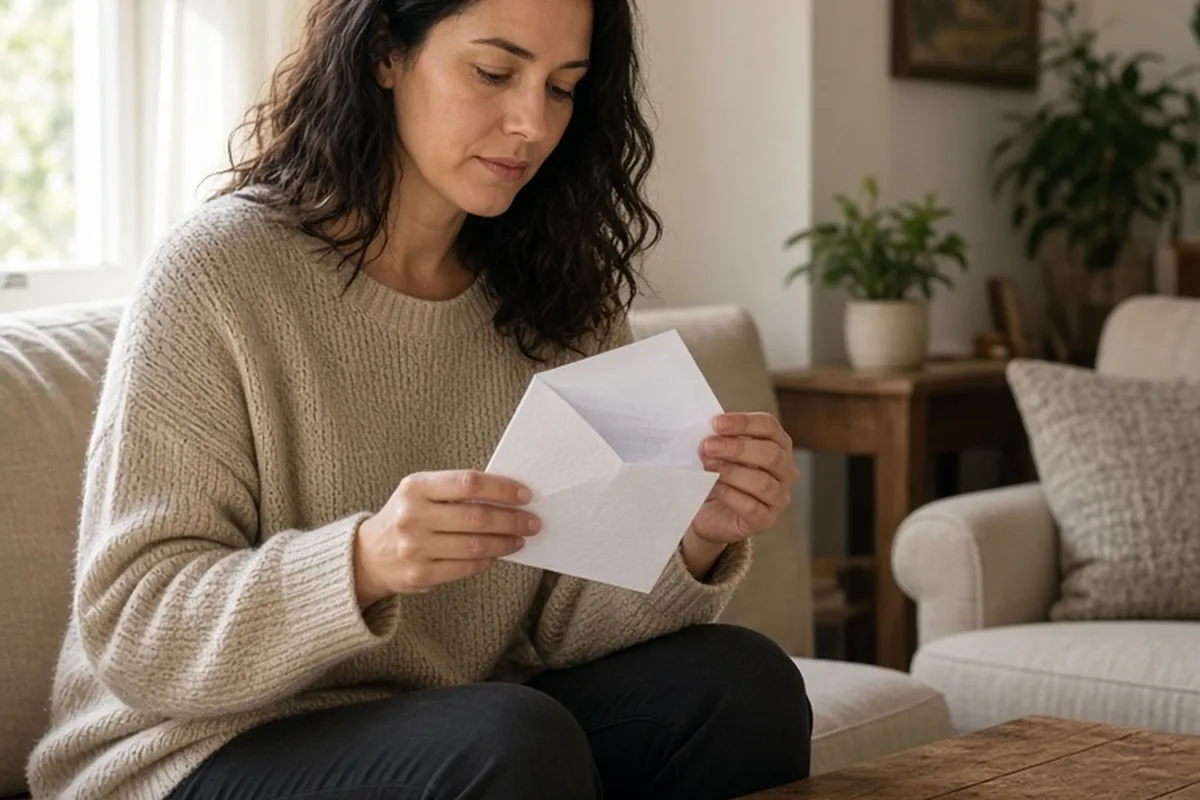
Wedding plus-one etiquette centers on honoring the envelope address: if your name appears alone without an additional guest explicitly named or noted, you are invited solo. Never substitute an uninvited companion, assume an open seat, or pressure the couple to expand their headcount. If you receive an unnamed plus-one, invite someone who supports you without overshadowing the hosts, confirm their attendance before submitting your RSVP card, and brief them in advance on the dress code, timeline, and table arrangements.
Navigating extra invitations to a wedding can feel socially delicate, especially when financial limits, seating capacities, and personal relationships intersect. Understanding how to interpret an envelope, how to decline or accept an added seat, and how to conduct yourself ensures everyone feels respected.
Decoding Your Invitation: How to Confirm if You Have a Guest
The most reliable indicator of your invitation status is the physical outer and inner envelope, along with the digital RSVP portal. When a couple extends an open invitation for a guest, they typically state your full name followed by "and Guest" or specifically print your partner's first and last name. If the mailing envelope lists only your name, the couple intends for you to attend on your own. Digital response systems operate on the same logic: after entering your name, the system will prompt you to indicate attendance for an attached companion only if an additional place setting has been reserved for your party.
A common point of confusion arises when an inner envelope is omitted or when a couple uses informal postcard mailings that lack detailed lines. In these instances, you should look directly at the response card or online form. If there is a line reading "M. ____________" or a predetermined counter indicating "1 seat has been reserved in your honor," the reservation is strictly singular. Assuming that an omitted inner envelope or a missing "and guest" line is simply an oversight frequently leads to budgeting discrepancies for the hosts, who often commit to strict per-person catering minimums months before the celebration.
Couples frequently make distinctions based on established commitment markers rather than personal preference. Spouses, fiancés, and long-term cohabitating partners are traditionally treated as a named social unit rather than a casual plus-one. If you have been seeing someone casually for a few weeks, hosts are under no social obligation to include them. Recognizing that guest allocations are determined by venue capacity, family obligations, and strict catering contracts prevents unnecessary personal offense when an envelope arrives addressed solely to you.
How to Ask the Couple for Clarification Without Applying Pressure
If you are in a committed partnership, engaged, or living together, yet your invitation is addressed only to you, it is acceptable to seek a single clarification. The key is to frame the inquiry as a question of administrative accuracy rather than an expectation or demand. You can send a brief, courteous note via text or email: "Hi Jordan, I received the invitation and am so excited to celebrate with you! I noticed the card was addressed just to me and wanted to double-check whether Alex was accidentally omitted, or if you need to keep numbers strictly limited. Either way is completely fine, but I wanted to confirm before submitting my RSVP." This wording gives the host an effortless, guilt-free exit if their guest limit is tight.
Under no circumstances should you negotiate, offer to pay for your companion's plate, or demand an exception based on travel inconvenience. Suggesting that you will cover the cost of another dinner treats an intimate gathering like a ticketed public performance and overlooks the reality that fire codes, room layouts, and rental equipment often cap attendance well before budget does. Once the couple clarifies that the invitation is singular, accept the answer gracefully with a polite confirmation of whether you will attend solo or celebrate from afar.
Choosing Who to Bring When Granted an Open Plus-One
Receiving an open "and Guest" invitation gives you discretion, but choosing the right companion requires sound social judgment. A wedding is not an appropriate venue for a first date, an unpredictable acquaintance, or someone currently experiencing personal conflict with the newlyweds or their close family. Your guest should be someone who can engage comfortably in conversation, handle periods of waiting patiently, and conduct themselves cooperatively throughout the festivities.
Consider the dynamics of the room before extending an offer to a friend or casual partner. If you already know numerous guests at the wedding—such as a close circle of college friends, former coworkers, or extended family—you may not need a companion at all. Attending solo allows you to mingle freely without feeling responsible for entertaining someone who knows no one else. Conversely, if you will know only the couple and will spend the cocktail hour among strangers, bringing a dependable friend who socializes easily can ease your experience without imposing on the bridal party.
Once you select your guest, confirm their firm commitment before finalizing your RSVP. Never submit your card with "Guest" written in the blank if you already know who you are bringing. Supplying their first and last name, along with any relevant dietary restrictions, allows the hosts to print accurate place cards and seat them next to compatible conversationalists. If your intended companion cancels after you submit your acceptance, do not recruit a last-minute substitute without first asking the couple whether they would prefer the seat remain open.
Briefing Your Date on Wedding Details and Reception Expectations
When bringing someone who does not personally know the couple, you serve as their primary cultural and logistical guide. Long before arriving at the venue, provide your guest with essential context: the level of formality indicated on the invitation, whether transportation is scheduled between sites, and the general timeline of the evening. A guest who arrives in business casual to a black-tie ballroom or in stilettos to an uneven lawn ceremony will feel awkward through no fault of their own.
Equally important is an honest discussion regarding your duties and social obligations during the event. If you are part of the wedding party, seated at a head table, or participating in family photos, your companion will likely spend stretches of the cocktail hour or dinner seated independently. Prepare them for these windows so they can mingle comfortably rather than waiting silently. Remind them that the celebration belongs to the hosts: they should avoid excessive drinking at the open bar, refrain from taking photos that obstruct hired vendors, and respect seating arrangements rather than rearranging place cards.
Coach your guest on conversational boundaries as well. Family weddings often involve complex histories or sensitive topics that an outsider might inadvertently step into. Encouraging your date to ask friendly, low-stakes questions about how people met the couple, where they traveled from, and what they do for work keeps discussions light and enjoyable for everyone seated nearby.
Attending a Wedding Solo Gracefully Without an Assigned Companion
Attending a wedding on your own can feel intimidating if you anticipate feeling isolated, but solo attendees often experience a more flexible, connected celebration. Rather than managing the needs, energy, and comfort of a partner, you are free to circulate, reconnect with old acquaintances, and meet new people. Entering the venue with a collaborative, open mindset makes an enormous difference in how the evening unfolds.
During cocktail hour, seek out approachable conversation groups by joining listeners near the appetizers, introducing yourself to people standing near the perimeter, or complimenting someone at your designated dinner table. Most wedding guests are eager to make conversation, especially when they discover a mutual connection to the hosts. If you feel uneasy standing alone during transitional periods, focus on simple grounding actions: review the seating chart, find your table, or sign the guest book.
You also maintain total autonomy over your departure. If you find the music overwhelming or the energy waning after dinner and the formal dances, you can say your goodbyes, thank the hosts or their parents, and leave without coordinating with an exhausted date. Going solo is never a reflection of your social standing; it is simply the natural outcome of thoughtful guest-list curation in an era of rising event costs.
Etiquette for Couples: Establishing Fair Guest Policies Without Hurt Feelings
For couples planning their celebration, drafting a coherent plus-one policy early prevents hurt feelings and inconsistent decisions later. The most defensible rule is consistent application across social tiers. For example, you might adopt a standard guideline: guests who are married, engaged, or living together receive an invitation addressed to both partners by name; members of the immediate wedding party receive an open guest; and all other guests are invited solo. When your rules are uniform, guests rarely feel singled out or undervalued.
Clarity on the physical paper or digital portal eliminates guesswork before it begins. Use specific phrasing such as "We have reserved 1 seat in your honor" or "To allow all guests, including parents, an evening of relaxation, we have chosen for our wedding day to be an adult-only occasion." If a guest returns an RSVP with an uninvited name written into the margin, address it immediately and privately with a warm, direct phone call or message: "We received your response, and while we would love to include everyone, our venue capacity means we can only host those explicitly listed on the envelope. We completely understand if this makes it difficult for you to attend, but we hope to celebrate with you." Addressing the discrepancy promptly avoids chaos on the seating chart.
Finally, ensure solo guests are treated with consideration on the floor plan. Grouping unaccompanied adults together at an engaging table—rather than placing a single friend among three married couples who only talk to each other—creates a lively dynamic where everyone can participate. Clear communication combined with thoughtful hospitality protects your budget while making all attendees feel genuinely welcome.
Frequently asked questions
Can I bring a friend instead of a romantic partner if my invitation says "and Guest"?
Yes. An invitation specifying "and Guest" grants you full discretion to choose your companion, whether that is a partner, close friend, or family member. Just ensure you confirm their full name with the couple when you RSVP and that they are ready to participate politely in the celebration.
Is it rude to decline a wedding invitation simply because I was not given a plus-one?
Declining an invitation is never rude as long as you return your response card promptly and express genuine gratitude for being considered. You are not required to provide a justification, and a warm decline is far better than attending with visible resentment.
What should I do if my plus-one cancels right before the wedding?
Contact the hosts immediately to inform them of the cancellation so their catering numbers can be adjusted. Ask whether they would prefer you attend solo or if they have someone from their waitlist they would like to invite in that place, rather than substituting a random acquaintance without permission.
Can I ask the couple if a plus-one spot opens up after other guests decline?
It is best not to ask, as placing yourself on an informal waitlist puts awkward social pressure on the hosts while they coordinate logistical changes. If the couple finds room to expand their guest list as declines roll in, they will reach out to you directly.
Your next step
Review the exact names listed on your invitation envelope or online RSVP form today, and submit your response based strictly on the seats reserved for you.