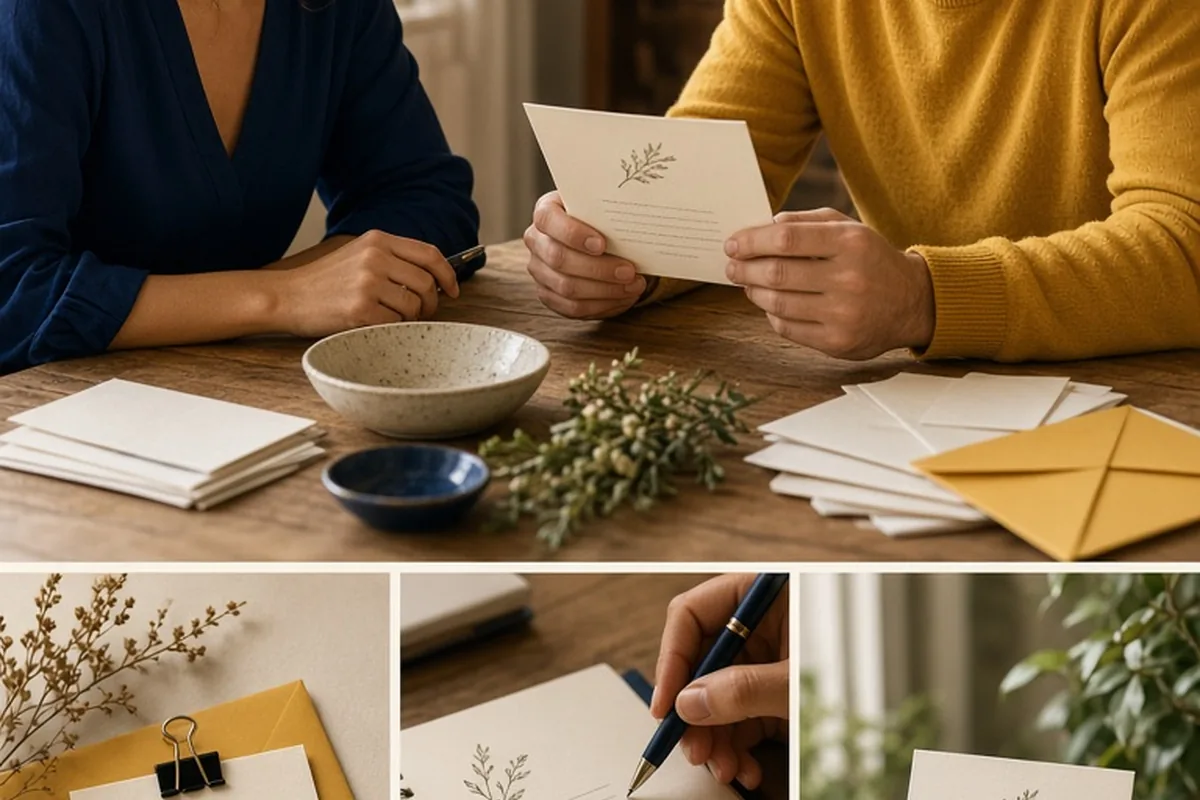
Wedding RSVP etiquette for small weddings focuses on transparent communication, exact guest naming, and firm timeline management. Because micro-weddings and intimate gatherings feature higher per-guest venue and catering stakes, hosts should address invitations to specific individuals, set deadlines three to four weeks before the event, offer straightforward digital or paper response channels, and personally follow up on late replies with warm, direct communication.
Planning an intimate celebration alters the traditional wedding dynamic, placing a spotlight on personal connections, curated dining experiences, and precise guest coordination. When your total guest list ranges from twenty to fifty people, a single unexpected guest or unconfirmed seat can shift the entire atmosphere, seating plan, and budget. Handling response tracking with clear etiquette ensures your guests feel valued while keeping your logistical planning smooth and stress-free.
Setting Realistic Timelines and Response Deadlines for Intimate Guest Lists
In a small wedding, vendor deadlines dictate your calendar more strictly than in large-scale ballroom events. Boutique venues, private dining rooms, and custom caterers frequently request your finalized headcount two to three weeks prior to the date to source specialty ingredients, handcraft personalized menus, and arrange tailored table layouts. To accommodate these supplier requirements comfortably, mail or publish your wedding invitations six to eight weeks before the celebration, setting an RSVP deadline that falls roughly three to four weeks ahead of the wedding day.
Providing this buffer gives you a crucial seven-to-ten-day window between your stated response deadline and your actual vendor cutoff. During this brief cushion, you can reach out to any unconfirmed guests without rushing or feeling stressed. If your celebration requires travel, such as a weekend retreat or destination gathering, send save-the-date notices four to six months in advance so guests can arrange time off and travel accommodations well before the formal reply card arrives.
Communicating the reason behind your deadline helps encourage timely replies without sounding demanding. A gentle note on your wedding website or response card explaining that your private chef or intimate venue requires confirmed numbers for personalized preparations frames the deadline as part of an exceptional guest experience rather than a cold administrative hurdle.
Addressing Plus-Ones and Children with Absolute Clarity
Ambiguity on wedding stationery is the primary reason couples receive unexpected additions. When hosting an intimate wedding, never use open-ended wording such as 'and Guest' unless you genuinely intend to offer an open plus-one. Instead, address both the outer mailing envelope and the internal response card with the exact first and last names of every invited person. If you are inviting a single friend without a companion, address the envelope solely to that friend.
To eliminate any lingering confusion, structure the physical or digital response card with explicit capacity fields. Printing a line that states 'We have reserved 1 seat in your honor' or '2 seats have been reserved in your honor' clarifies the exact invitation scope before the guest writes in a response. Online RSVP portals on modern wedding platforms allow you to lock responses directly to pre-loaded guest names, making it technically impossible for someone to add extra attendees without contacting you directly.
When planning an adults-only micro-wedding or limiting invitations exclusively to immediate family members, communicate this boundary gracefully. You can include a courteous sentence on your details card or website FAQ: 'Due to the intimate capacity of our venue, we are only able to accommodate the guests specifically named on your invitation.' Should a guest assume their child or new partner is included, reach out via a quick, warm phone call to explain that strict venue limits prevent expanding the guest list.
Choosing the Right RSVP Format: Digital Platforms vs. Traditional Cards
Intimate weddings provide the freedom to select a response method that best matches your celebration's aesthetic and your guests' habits. Digital RSVP forms hosted on wedding websites offer speed, zero postage expenses, and immediate data collection. They excel at handling branching questions, such as asking guests to choose an entree, note severe allergies, or submit travel arrival details. For a modern gathering of tech-comfortable friends and family, a QR code printed on the physical invitation insert directing guests to your digital form is often the most convenient choice.
Traditional printed response cards accompanied by stamped, self-addressed return envelopes remain the standard for formal, classic, or multi-generational celebrations. Older relatives frequently appreciate the tactile formality of mailing back a physical response card. If you choose physical cards for an intimate wedding, you can elevate the experience with custom calligraphy, high-weight cotton cardstock, or pre-printed guest names on the response card so attendees only need to check their attendance status and meal choices.
A hybrid approach often proves most effective for small weddings. You can include a classic response card with an envelope for traditional guests while also displaying a concise URL or QR code for those who prefer instant mobile confirmation. Providing both options removes friction and ensures you receive responses quickly across all age demographics.
Handling Non-Responders and Late Replies with Warmth and Tact
In a gathering of 150 people, tracking down late responders can feel like an impersonal chore, but in a small wedding, every missing RSVP represents a close friend or family member. Because your guest list consists of people you speak with regularly, you do not need to rely on formal or stiff reminder emails. A direct, casual text message or brief phone call is entirely appropriate and keeps the interaction friendly and supportive.
Initiate follow-ups one to two days after your RSVP deadline passes. You can use relaxed scripts such as: 'Hi Sarah! We are finalizing our seating chart and menu selections with the private chef this week for the wedding. Please let us know by Friday if you will be able to join us so we can make sure your place is set!' This approach highlights your eagerness to celebrate together while conveying a firm timeline.
If an invited guest fails to reply after direct follow-ups, establish a respectful closing boundary. Send a polite final message: 'We have not heard back from you and need to submit our final numbers to the caterer today, so we will mark you as unable to attend. We will miss celebrating with you and hope to catch up soon!' This prevents uncomfortable surprises on the wedding day and protects your catering arrangements.
Managing Unique Small Wedding Dynamics: Destination Events and Multi-Day Gatherings
Small weddings often feature weekend itineraries, such as welcome dinners, group excursions, or farewell brunches. Tracking attendance across multiple activities requires a multi-event RSVP structure. Rather than asking for a single blanket acceptance, design your response card or digital portal to request individual confirmations for each scheduled event on the itinerary.
Clear event-by-event tracking prevents awkward logistical problems, such as ordering food for thirty guests at a casual welcome reception only to have half the group arrive late due to flight schedules. Clearly indicate on the schedule which events are fully hosted and which activities are optional gatherings where guests cover their own expenses, such as an informal morning coffee meet-up.
If your intimate celebration involves shared accommodations, such as a rented estate, ski chalet, or boutique vineyard villa, address room assignments and cost expectations early in your response process. If you are covering the lodging expenses, state this clearly on the invitation. If guests are expected to book their own rooms within an allocated block, provide direct reservation links, pricing details, and booking cutoffs directly beside the RSVP prompt.
Collecting Dietary Preferences and Custom Dining Selections Seamlessly
One of the standout benefits of a small wedding is the ability to offer an exceptional dining experience, whether that involves a five-course tasting menu, family-style farm-to-table courses, or interactive chef stations. However, personalized dining requires exact dietary data from every attendee well in advance of the event.
Structure your response card to collect specific dietary parameters rather than vague preferences. Include designated lines for medically required restrictions, such as celiac disease, severe nut allergies, or dairy intolerances, alongside lifestyle choices like vegetarian or vegan diets. Asking guests to provide details early ensures your culinary team can prepare tailored alternative dishes without compromising the kitchen flow on the wedding day.
Review these dietary submissions three weeks before the event and forward a compiled summary to your venue coordinator or private chef. For intimate seated dinners, pair dietary requirements directly with your seating chart so the serving staff can deliver custom plates directly to individual guests without having to ask the table aloud during the meal.
Frequently asked questions
How far in advance should RSVPs be due for a small wedding?
RSVP deadlines for small weddings should be set three to four weeks before the event date. This gives you ample time to follow up with non-responders and submit your finalized numbers to caterers and venues two to three weeks before the wedding.
How do you politely explain a no plus-one policy for an intimate wedding?
Address the invitation solely to the invited individual and specify on the response card that one seat has been reserved in their honor. If asked directly, explain warmly that your venue has strict capacity limits and you are keeping the guest list restricted to immediate family and close friends.
Is it acceptable to use digital RSVPs for a micro-wedding?
Yes, digital RSVPs are widely accepted and practical for micro-weddings. They streamline meal choices, dietary tracking, and attendance updates, though having a phone or paper option available for less tech-savvy guests is recommended.
What should you do if a guest cancels at the last minute for a small wedding?
Respond with empathy, express that they will be missed, and inform your venue coordinator or caterer of the updated count. While catering fees may be non-refundable close to the date, updating the seating chart maintains a balanced and comfortable room layout.
Your next step
Draft your complete guest list with explicit seat allocations and establish your catering headcount deadline before finalizing your response cards or digital RSVP forms.