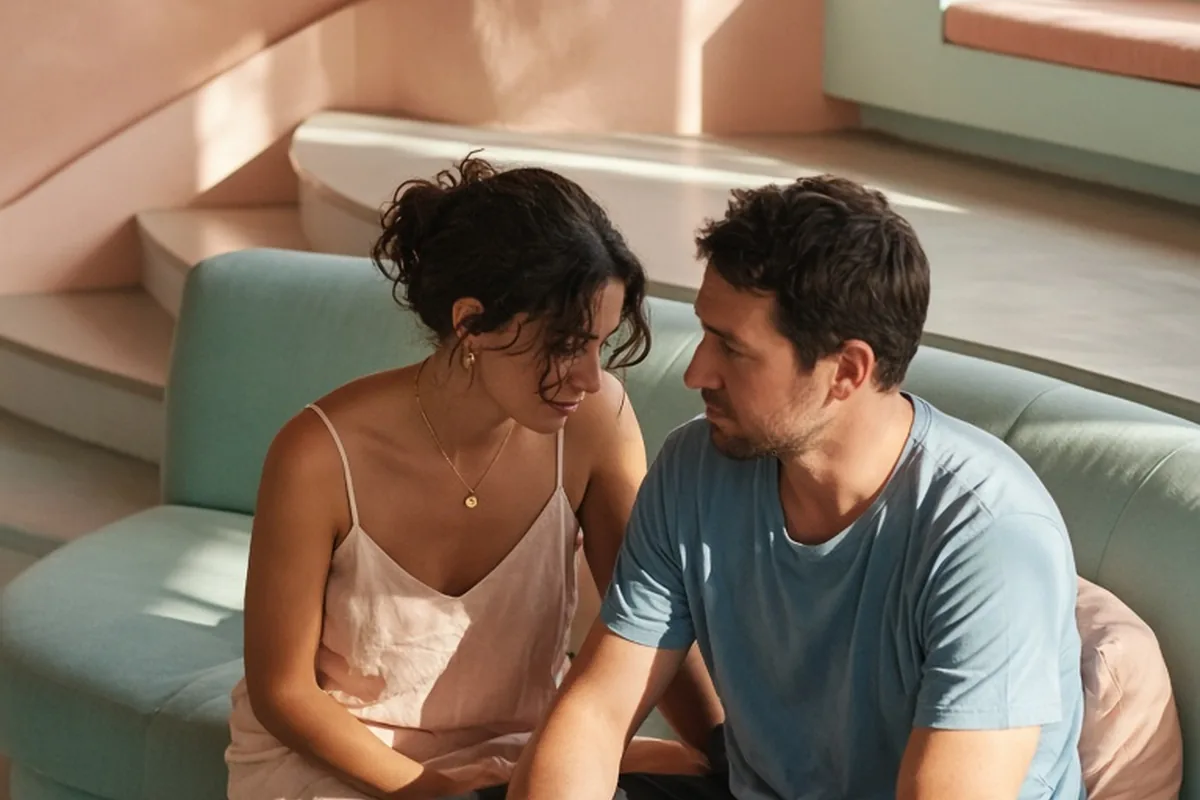
A wedding videographer captures sound, movement, and narrative pacing that still photography cannot replicate, preserving vows, speeches, laughter, and spontaneous dancing in real time. The main disadvantages are the financial cost, the added presence of camera operators and gear, and the long editing window after the event. Couples who value spoken audio and dynamic emotion gain lasting heirloom value, while couples on strict budgets or who dislike being filmed often skip it without regret.
Allocating funds for professional wedding video documentation is one of the most debated vendor decisions during wedding planning, often requiring couples to weigh sentimental preservation directly against other reception priorities.
What Wedding Videographers Capture That Still Photos Miss
The most significant advantage of professional videography is sound preservation. While still photography captures portraits and emotional expressions, it cannot record the cadence of personal vows, the laughter during a sibling's toast, or the voice of an aging family member. Professional videographers position discreet microphones on clothing lapels and tap direct audio feeds from the ceremony sound system or DJ mixer. This captures spoken words with clarity, insulating dialogue from wind noise, crowd chatter, or room echo. When couples revisit their wedding anniversary decades later, hearing the inflection and emotion in a loved one's voice carries an irreplaceable sensory resonance.
Movement and atmospheric pacing also distinguish video from static frames. Weddings are continuous sensory events where emotion unfolds through subtle kinetic cues: the nervous pacing before a first look, the flowing movement of a gown down the aisle, spontaneous embraces during cocktail hour, and high-energy group dances. A still photo freezes an isolated split second, whereas a cinematic film establishes the chronological and emotional momentum of the day. A well-crafted wedding film allows couples to experience the celebration from the perspective of their guests, revealing unscripted interactions that the couple was too busy to witness in person.
- Captures spoken dialogue, including personal vows, officiant addresses, and reception speeches, with dedicated audio equipment.
- Preserves physical mannerisms, dance routines, laughter, and atmospheric crowd noise that static photos cannot convey.
- Provides an emotional recap that reveals background moments and candid guest interactions the couple missed during the day.
- Creates a permanent visual and auditory archive for friends, distant relatives, or future generations who could not attend.
The Real Drawbacks: Budget Strain, Camera Footprint, and Pacing
The primary drawback of hiring a professional videographer is financial impact. Producing cinematic wedding films requires high-end camera bodies, cinema lenses, stabilizing gimbals, lighting rigs, wireless audio kits, and hours of post-production editing, color balancing, and sound mixing. Consequently, reputable video teams represent a major line item in an overall event budget. Committing to a full video package often forces couples to make painful compromises elsewhere, such as scaling back guest counts, reducing floral arrangements, selecting simpler menu options, or shortening reception venue hours.
A second concern is the logistical footprint and personal comfort on the wedding day. Introducing an additional production crew into intimate spaces changes the atmosphere of pre-ceremony preparations and private photo sessions. Couples who feel anxious or self-conscious in front of cameras may find the presence of multiple lenses intrusive. Moreover, videographers who prioritize staged promotional shots over documentary observation may interrupt natural moments, asking couples to repeat movements, fake laughs, or hold awkward positions for the camera. This dynamic can pull couples out of the genuine emotional flow of their celebration.
- Represents a substantial financial investment that may require reallocating funds away from guest hospitality or decor.
- Increases the number of vendors and equipment operating inside intimate bridal suites and ceremony aisles.
- Can heighten self-consciousness or camera fatigue for individuals who prefer privacy and low-key interaction.
- Involves lengthy post-production turnaround times, with final edits often delivered several months after the celebration.
Five Realistic Questions to Help Couples Decide on Video Coverage
To make a confident choice between hiring a videographer or reallocating those funds, couples must evaluate their real-world habits rather than idealized wedding imagery. Start by reflecting on how you currently engage with personal memories. If your home features printed photo books and framed pictures, but you rarely rewatch vacation clips or video archives, a wedding film may receive few viewings after its initial release. Conversely, if you naturally gravitate toward recorded home videos, recorded voice memos, and dynamic storytelling, an edited wedding film will likely become one of your most cherished possessions.
Next, consider the life stage of your guest list and the personal significance of spoken words. If you have elderly grandparents, close relatives facing illness, or guests traveling from abroad, the opportunity to archive their living voices, smiles, and movements carries enduring family value. You should also assess your tolerance for schedule coordination and vendor management. Having both photo and video crews requires unified scheduling, shared portrait sessions, and extra vendor meal planning, requiring couples to balance their desire for documentation against their preference for an uncomplicated, relaxed timeline.
- Do we regularly watch home videos and digital archives, or do we interact almost entirely with printed photo prints?
- Are there elderly or vulnerable family members whose voices and presence we urgently wish to preserve in motion?
- How comfortable are both of us with having multiple camera operators documenting our personal moments throughout the day?
- What specific vendor, decor choice, or guest experience amenity would we have to forfeit to afford this expense?
- Are we primarily interested in a three-minute social media highlight reel, or do we care about full ceremony and speech archives?
Videography Styles, Package Tiers, and Deliverable Differences
Understanding the differences among videography packages is essential for avoiding disappointment when receiving the final files. Videographers generally provide distinct types of finished edits, each serving a different purpose. A highlight film typically runs three to five minutes, pairing rapid visual cuts, emotional snippets of vows, and licensed musical tracks into a fast-paced, polished summary. While highly engaging and easy to share online, a highlight reel does not include full speeches or complete ceremony vows, which surprises couples who assume the term wedding video implies full documentation.
To secure comprehensive coverage, couples must examine longer deliverable formats. A cinematic short film generally spans ten to twenty minutes, offering a more complete narrative arc with extended excerpts of readings and toasts. In contrast, an archival or documentary edit delivers full-length, multi-camera recordings of the entire ceremony, first dances, and reception speeches from start to finish without cinematic cuts or heavy background music. When reviewing package options, verify whether raw footage files are included, whether drone aerial footage requires additional permits or fees, and what digital storage medium is used for long-term file delivery.
- Highlight reel: A three-to-five-minute artistic summary set to licensed music, focused on aesthetic pacing and easy sharing.
- Cinematic short film: A ten-to-twenty-minute narrative cut incorporating extended dialogue, vow readings, and speech clips.
- Archival documentary edit: Continuous, unedited multi-camera coverage capturing the entire ceremony and toasts from beginning to end.
- Raw footage files: Unprocessed video and audio recordings provided on external hard drives for personal long-term storage.
Managing Collaboration Between Your Photographer and Videographer
Because photographers and videographers share the same physical environments, schedules, and subjects, vendor compatibility directly shapes your wedding day experience. Both creative professionals require optimal camera positions, natural light, and access to the couple during high-stakes moments like the ceremony processional, ring exchange, and sunset portraits. If independent vendors have conflicting working styles, they can unintentionally obstruct each other's camera frames, disrupt carefully planned sightlines, or compete for the couple's attention during tight portrait windows.
To guarantee harmony, initiate a joint coordination discussion between both vendors well before the event date. Ask prospective videographers how they interact with lead photographers during ceremonies, particularly regarding flash usage, continuous lighting gear, and aisle movement. A skilled videographer maintains an unobtrusive profile, coordinating with the photographer to ensure neither professional stands in the other's background. Inquire whether your photographer maintains a roster of preferred videographers with whom they have established communication rhythms, as paired vendor teams often navigate wedding timelines with greater speed and mutual respect.
- Sightline coordination: Planning camera positions in advance so neither operator steps into the other's primary frame.
- Portrait session sharing: Dividing couple portrait time smoothly between static poses and dynamic walking prompts.
- Lighting equipment compatibility: Balancing flash photography setups with continuous video lights to maintain visual consistency.
- Schedule alignment: Ensuring both vendors review and sign off on the exact same master day-of timeline.
Budget-Friendly Alternatives and Coverage Compromises to Consider
Couples who value video preservation but cannot justify a full-day cinematic production package can choose several cost-effective compromises. One practical solution is booking a partial-day or ceremony-only package. Many videographers offer condensed options where they arrive shortly before the ceremony begins, record the legal vows, capture the formal reception toasts, and depart before late-night dancing. This targeted approach preserves the most meaningful audio and visual memories without incurring the costs of ten-hour coverage, secondary camera operators, and lengthy reception documentation.
Another modern alternative is hiring a wedding content creator or implementing structured guest-sourcing tools. Content creators operate high-end mobile phones to capture hundreds of vertical video clips and candid behind-the-scenes moments, delivering unedited digital folders within twenty-four to forty-eight hours. While mobile footage lacks the low-light dynamic range, focal depth, and broadcast audio quality of cinema gear, it offers quick, candid preservation at a lower price point. Alternatively, couples can place a stationary camera on a stable tripod at the rear of the ceremony space or set up an audio guestbook phone to record personal voiced messages.
- Ceremony and toast micro-packages: Limiting professional camera presence strictly to the spoken vows and reception speeches.
- Wedding content creators: Utilizing mobile devices for candid behind-the-scenes clips delivered within one to two days.
- Static tripod recording: Positioning an unattended camera with an external microphone to capture continuous archival ceremony footage.
- Dedicated audio guestbooks: Renting vintage rotary phone recorders that allow guests to leave heartfelt spoken messages throughout the night.
How to Vet a Videographer Quote and Examine Contract Terms
Before signing an agreement or paying a retainer fee, examine the contract to understand what services and safeguards are legally guaranteed. A reliable quote should itemize shooting hours, the exact number of camera operators, travel fees, equipment allowances, and delivery formats. Pay close attention to music licensing clauses. Professional videographers must legally license commercial songs through approved music platforms; contracts that do not address music rights risk having your highlight videos muted or flagged for copyright violations when uploaded to social networks or video sharing services.
You must also inspect post-production delivery timelines, editing revision policies, and data archiving commitments. Wedding video editing requires extensive narrative pacing, color correction, and audio mastering, which commonly takes three to six months during peak wedding season. Your contract should specify an enforceable delivery window, outline whether you are entitled to request minor edit revisions without additional fees, and state how long the vendor retains your master files on backup hard drives in the event that your primary digital copy becomes corrupted or lost.
- Staffing specifications: Verifying whether the package includes a single operator or a primary shooter with a dedicated assistant.
- Music licensing guarantees: Ensuring all tracks used in the public films are legally cleared through commercial sync licenses.
- Delivery milestones: Securing contractually bound delivery deadlines for teaser clips, highlight films, and documentary edits.
- Revision and archive terms: Clarifying whether complimentary edit tweaks are permitted and how long original files are stored.
Frequently asked questions
Is hiring a wedding videographer worth the investment if our budget is tight?
If your budget is constrained, prioritizing quality still photography and core guest hospitality is generally safer than hiring an inexperienced, cut-rate videographer. However, if hearing spoken vows and family voices is a non-negotiable priority, consider booking an hourly ceremony-only package rather than eliminating video entirely.
How long does it typically take to receive a finished wedding video?
Most professional wedding films require between eight and twenty-four weeks for complete editing, color grading, and sound design, depending on the vendor's seasonal workload. Many studios provide a one-minute social media teaser within a few weeks, while feature-length documentary edits take considerably longer.
Can our photographer and videographer be hired from different companies?
Yes, hiring independent vendors from separate companies is standard practice throughout the wedding industry. To ensure smooth execution, confirm that both vendors review the day-of timeline together and share their preferences regarding lighting equipment, portrait time, and ceremony positioning before the event.
What is the difference between raw footage and a documentary edit?
Raw footage consists of dozens of unedited, unorganized video clips directly from the camera memory cards, often featuring flat color profiles, camera shake, and separate unmixed audio files. A documentary edit is a finished, fully cut multi-camera video of the complete ceremony or toasts with synchronized, polished audio.
Your next step
Review your wedding budget today with your partner to determine whether spoken vows and live motion are must-haves, then request full-length film samples from prospective vendors before booking consultations.