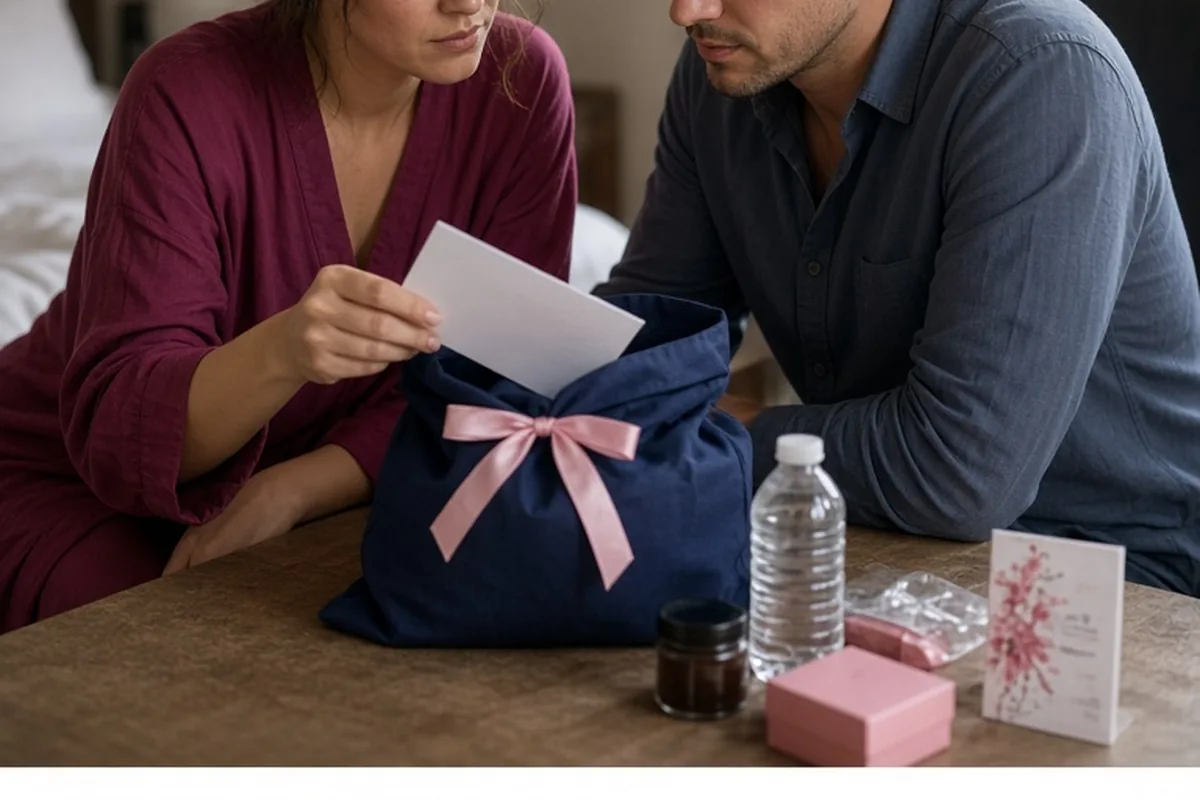
The total cost of welcome bags for event guests depends on packaging choices, item curation, guest-room distribution ratios, and venue delivery charges. Spending is calculated on a per-bag basis by combining the container, refreshments, local treats, printed itinerary materials, and hotel handling fees. Sourcing items in bulk and distributing one bag per hotel room rather than per individual attendee significantly lowers your total expenditure.
Greeting out-of-town guests with a curated welcome bag is a popular hospitality tradition for destination weddings, milestone celebrations, and multi-day gatherings. While welcome gifts create an inviting first impression, their expenses can escalate quickly if packaging, consumable items, custom printing, and third-party delivery fees are not tracked as distinct line items.
The Core Line Items That Shape Every Welcome Bag Bill
A realistic welcome bag budget starts by breaking down every physical component that goes into the package. Most hosts build their gifts around five fundamental categories: the exterior container, hydrating beverages, edible snacks, utilitarian comfort items, and printed stationery. Each category introduces separate material and shipping costs that multiply across your total unit count.
The container establishes the presentation and dictates how many contents you must purchase to make the gift look complete. Structured vessels such as reusable cotton canvas totes, woven market baskets, and rigid presentation boxes carry higher baseline production costs and higher freight shipping charges due to their weight and dimensional bulk. Conversely, lightweight kraft paper gift bags, stamped paper sacks, and collapsible cardboard boxes cost significantly less to manufacture and ship, though they provide less structural durability for heavy glass bottles or dense artisanal goods.
Refreshments and consumable items represent the bulk of the interior investment. Standard combinations include a mix of savory snacks, sweet confections, and functional beverages such as bottled spring water, sparkling mineral water, or local craft sodas. Specialty treats sourced from regional bakeries, small-batch chocolatiers, or local gourmet purveyors command premium prices compared to standardized national-brand snacks purchased in bulk grocery quantities. Utilitarian additions like electrolyte packets, travel-sized pain relievers, adhesive bandages, and mints add incremental costs per unit.
Printed collateral rounds out the bill. High-grade custom paper goods—such as multi-page welcome booklets, weekend timeline cards, custom area maps, and personalized wax-sealed tags—require specialized design, commercial printing setup, and paper finishing. Opting for single-sided digital cardstock prints or simple postcard inserts reduces custom stationery expenses while still communicating critical scheduling details.
How Guest Distribution Ratios and Volume Drive Final Costs
The single most impactful variable in your total welcome bag expense is the distribution strategy you choose. Many planners make the early mistake of multiplying their per-bag target budget by their total guest headcount. In practice, welcome gifts are customarily distributed per reserved hotel room or per traveling party rather than handed individually to every attendee.
If an event hosts one hundred out-of-town guests who occupy fifty individual hotel rooms or rental properties, allocating one welcome bag per room instantly cuts production volume in half. To ensure that multi-occupant rooms feel equally accommodated, hosts typically include dual portions of core snacks and beverages inside a single shared container rather than purchasing two completely separate packaging units. This shared-vessel approach substantially lowers packaging, assembly, and transport expenses.
Volume also dictates whether you qualify for wholesale pricing tiers or trade discounts. Ordering packaging vessels, bulk dry goods, and pre-packaged sundries in larger quantities reduces the per-unit material cost, but smaller guest counts often fail to meet minimum order quantities. When volume is low, buyers absorb standard retail markups alongside individual shipping fees from multiple separate vendors.
DIY Bulk Sourcing Versus Turnkey Concierge Services
Deciding between self-assembled bags and full-service gifting companies presents a direct trade-off between labor and professional convenience. Understanding how each fulfillment route is structured helps you determine which path matches your schedule and budget allocation.
A do-it-yourself procurement strategy allows you to purchase goods directly from wholesale club stores, online packaging distributors, and local markets. This route eliminates vendor management markups and labor fees. However, DIY sourcing introduces secondary logistical expenses, including freight shipping across multiple deliveries, individual assembly materials such as tissue paper and ribbon, storage space requirements, and dedicated transport vehicles to move assembled boxes to lodging sites.
Full-service gifting agencies and event florists provide end-to-end design, product sourcing, custom branding, physical assembly, and scheduled drop-off at partner hotels. These turnkey services charge an all-inclusive rate that bundles merchandise wholesale costs, curated packaging, ribbon styling, and labor into a single per-unit price. While this approach represents a higher financial commitment, it removes the extensive time burden of sourcing, packing, and coordinating deliveries in the days immediately preceding the event.
Hotel Distribution Fees and Hidden Logistical Charges
One of the most frequently overlooked line items in an event hospitality budget is the venue or lodging distribution fee. Hotels, resorts, and boutique lodges maintain distinct operational policies regarding how third-party welcome gifts are handled and delivered to registered guests.
Front desk distribution policies vary widely across lodging brands. Some properties hand welcome bags to guests at check-in without charging an additional administrative fee, provided the bags are generic and do not require matching specific names to specific rooms. Other hotel properties assess a mandatory administrative handling charge per bag simply to store the parcels behind the reception desk and hand them over upon key issuance.
In-room delivery services, where bell staff transport the gift directly inside the guest room prior to check-in or during evening turndown, almost universally incur a dedicated service fee per room. In addition, hotels may impose secure holding fees if your assembled packages arrive several days before the event block begins, particularly if items require climate-controlled or refrigerated storage. Reviewing hotel contract clauses regarding luggage room storage and parcel delivery avoids unexpected master-bill charges.
Strategic Ways to Lower Welcome Bag Expenses
Creating a warm, polished welcome experience does not require filling oversized bags with high-cost novelties that guests may leave behind. Applying thoughtful curation principles allows you to trim expenses while delivering genuine value and comfort to your visitors.
The most effective cost-reduction strategy is selecting a smaller packaging vessel. When hosts choose an oversized tote or wide gift basket, they feel pressured to purchase numerous filler items to prevent the container from appearing sparse. Choosing a tailored, compact gift bag, a sleek lunch-style paper sack, or a minimalist cardstock envelope naturally limits the required interior volume while maintaining a clean, intentional aesthetic.
Focusing on consumable utility over personalized novelties also keeps costs controlled. Monogrammed or date-stamped trinkets—such as custom acrylic keychains, printed sunglasses, or branded koozies—carry setup fees and are frequently discarded by traveling guests. Replacing branded knick-knacks with high-utility local items, such as fresh bakery goods, a piece of seasonal fruit, or a chilled local beverage, provides immediate refreshment without lingering manufacturing waste.
Consolidating printed collateral into digital formats further reduces printing and cutting costs. Rather than commissioning multi-page booklet schedules, custom maps, and restaurant guidebooks, hosts can print a single welcome card featuring a clean layout and a quick-response digital code. Guests can scan the code with their smartphones to access an interactive itinerary, digital map links, and real-time transportation updates.
Questions to Ask Hotel Coordinators and Favor Vendors
Before ordering bulk inventory, custom containers, or hiring a gifting service, verify policies with all involved vendors and venue coordinators. Asking precise logistical questions protects your budget from sudden change fees, storage penalties, and unfulfilled deliveries.
When consulting with your hotel sales manager or front desk coordinator, request explicit written confirmation on their handling procedures. Inquire whether their team charges a flat fee per room or per bag for front-desk distribution, whether named guest tags incur a higher sorting rate than uniform bags, what time of day bags must be delivered to ensure early check-ins receive them, and whether the property has luggage room capacity to store assembled parcels for forty-eight hours.
When speaking with custom packaging vendors, food suppliers, or turnkey gifting agencies, clarify all production parameters. Ask about minimum order thresholds, bulk discount tier cutoffs, setup fees for custom foil or screen printing, packaging lead times, and freight shipping costs for heavy or bulky materials. For edible goods, verify shelf-life stability, heat sensitivity during summer transit, and allergy labeling compliance.
Building an Itemized Per-Unit Budget and Verification Process
Establishing an accurate welcome bag budget requires moving from broad estimates to an itemized unit-cost spreadsheet. Tracking every single component down to the individual cent prevents small miscellaneous purchases from quietly derailing your hospitality allocation.
Begin by creating an inventory worksheet that lists every intended element: the base container, protective filler tissue, decorative ribbon, exterior tag, printed schedule card, each beverage, each snack, medical sundries, and hotel delivery charges. Divide the total bulk purchase price of each item by its unit yield to find the exact per-bag contribution. Add a five to ten percent contingency allowance across the unit cost to accommodate last-minute guest room additions or damaged goods during transit.
Before purchasing bulk quantities of any item, assemble a single prototype bag. Weigh the assembled prototype to estimate accurate shipping costs if parcels must be mailed, and measure its dimensions to ensure it packs efficiently into transport vehicles. Physically evaluating a prototype confirms whether the contents fill the container appropriately, allowing you to adjust packaging dimensions or item quantities before committing your full purchasing budget.
Frequently asked questions
Should welcome bags be given per guest or per hotel room?
Welcome bags are traditionally distributed per reserved hotel room rather than per individual guest. For rooms occupied by couples or families, hosts can simply add extra snacks and water bottles inside one shared bag to keep packaging and hotel distribution fees minimal.
Do hotels charge a fee to hand out welcome bags to guests?
Many hotels charge a handling or delivery fee to distribute welcome bags, especially if staff deliver bags directly inside guest rooms or must match personalized name tags. Some properties distribute generic, untagged bags at the front desk for free, but policies vary by brand and location.
What are the most cost-effective items to put in a guest welcome bag?
The most economical items include standard bottled water, locally purchased bulk snacks, travel-sized electrolyte packets, and a single printed welcome card. Practical consumables offer high hospitality value without the premium markups associated with customized novelty trinkets.
When should event welcome bags be delivered to the hotel?
Assembled welcome bags are typically delivered to the hotel front desk twenty-four hours before the earliest guest check-in. Confirm storage arrangements with your hotel coordinator in advance to ensure the property has dedicated, climate-controlled space available.
Your next step
Contact your room block hotel coordinator to obtain their written distribution policy and handling fee schedule before ordering packaging supplies.