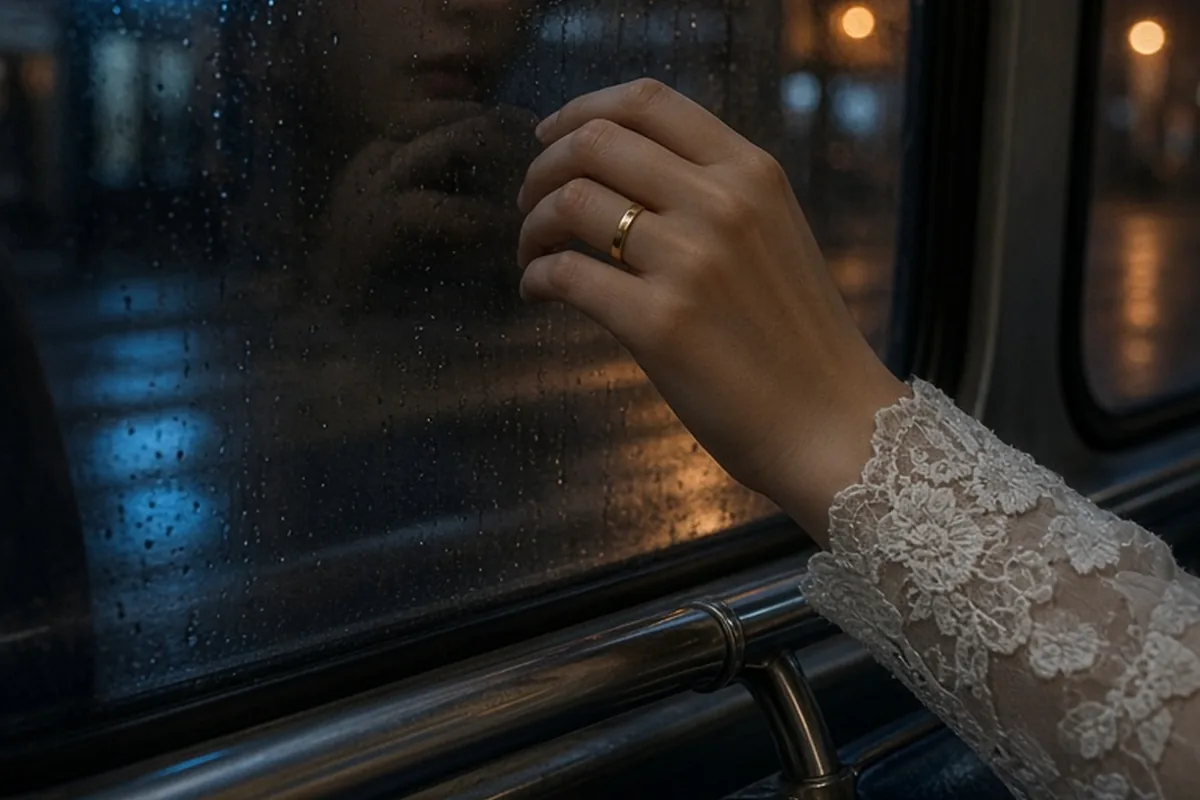
A bridal ring typically refers to the ring or coordinated set of rings worn to symbolize marital commitment, most commonly encompassing the engagement ring, the wedding band, or a unified bridal set designed to fit together seamlessly. While historically treated as distinct purchases, modern bridal rings offer integrated aesthetics, balanced metal wear, and coordinated stone settings tailored for daily wear.
Shopping for wedding jewelry often introduces confusing terminology, especially when distinguishing between single rings, traditional pairings, and multi-piece sets. Understanding how bridal rings are constructed and worn makes it much easier to select jewelry that matches your aesthetic preferences, budget, and daily routine.
Understanding the Anatomy of Bridal Rings and Sets
In fine jewelry terminology, the phrase bridal ring can describe either an individual ring intended for a bride or, more commonly, a cohesive bridal set. A traditional bridal set consists of two key components: an engagement ring, which usually features a prominent center gemstone, and a matching wedding band designed to sit snugly against it. Some jewelers also offer complete wedding sets, which add a coordinating groom's band to the bride's two-piece ensemble.
The primary engineering benefit of a true bridal set is flush fitting. Traditional standalone engagement rings often feature low-set center baskets or protruding prong structures that prevent a straight wedding band from resting directly beside the ring shank. When rings do not sit flush, they create an awkward gap that can trap dirt, cause friction between the metal bands, or spin independently on the finger. Bridal sets resolve this by contouring the wedding band to match the exact profile of the engagement ring, using curved arches, notches, or interlocking grooves.
While bridal sets are engineered to look unified, you do not have to purchase rings that were manufactured as a pair. Many people prefer to select an engagement ring first and later choose a custom or complementary wedding band that reflects their evolving personal taste.
Bridal Sets Versus Individual Rings: Weighing the Trade-Offs
Choosing between a pre-designed bridal set and curating individual rings involves balancing visual cohesion against styling flexibility. Pre-matched bridal sets take the guesswork out of ring shopping. The diamond color grades, pavé stone sizes, metal alloys, and band dimensions are already matched by the designer. This guarantees that one ring will not overpower the other visually or physically abrade the neighboring band due to mismatched contours.
However, purchasing a pre-assembled bridal set can limit your options if you prefer an eclectic look, such as pairing a vintage yellow gold engagement ring with a modern platinum eternity band. Furthermore, heavily contoured wedding bands designed specifically for a bridal set often look asymmetrical or incomplete when worn on their own. If you plan to leave your engagement ring at home during travel, workouts, or manual work, wearing an exclusively curved contour band solo might not provide the standalone aesthetic you desire.
Curating individual rings allows you to spread out the purchase costs over time and explore unique combinations. If you choose this route, you can pair a straight engagement shank with a straight diamond band, or work with a bench jeweler to cast a subtle custom curve that still looks balanced when worn independently.
Popular Bridal Ring Styles and Silhouette Options
Bridal rings come in an expansive range of design silhouettes, from understated minimalist mounts to intricate vintage arrangements. Classic solitaire bridal sets remain among the most popular options, pairing a four- or six-prong center diamond with a polished metal or micro-pavé band. These sets prioritize timeless symmetry and make it straightforward to find replacement stones or matching anniversary bands later in life.
Halo and multi-stone settings offer another common direction. Halo rings surround the center stone with a perimeter of smaller accent diamonds, visually expanding the ring's footprint while creating a vintage-inspired aesthetic. When paired with a matching pavé band, a halo bridal set creates continuous light reflection across the finger. For those drawn to historical motifs, three-stone bridal rings, often representing a couple's past, present, and future, provide broad finger coverage and pair comfortably with contoured diamond chevron bands.
Modern bridal ring design also embraces organic and geometric silhouettes, including open bands, asymmetrical cluster settings, and bezel-wrapped gemstones. Bezel settings surround the perimeter of the gemstone with a protective metal rim, eliminating prongs altogether. This approach offers a sleek architectural look that resists snagging on clothing, making it an excellent choice for healthcare workers, artists, and individuals with active lifestyles.
Selecting Metal Alloys for Durability and Aesthetics
The metal you select for your bridal ring influences its long-term maintenance requirements, color retention, and physical resilience. Platinum is a naturally white, hypoallergenic precious metal known for its density and secure prong retention. Unlike white gold, platinum does not require periodic rhodium plating to maintain its cool gray-white tone. Over time, platinum develops a soft, satiny surface texture called a patina, which many wearers appreciate for its antique appearance, though it can also be polished back to a mirror shine.
Gold remains the classic choice for bridal jewelry and is available in yellow, white, and rose formulations, typically in 14-karat or 18-karat purity. Fourteen-karat gold contains a higher percentage of alloying metals like copper, nickel, or silver, making it slightly harder and more scratch-resistant than richer 18-karat gold. If you opt for white gold, keep in mind that it is naturally warm-toned and coated with rhodium to achieve a bright mirror finish, which will require replating every one to three years depending on your skin chemistry and wear patterns.
When wearing stacked bridal rings, it is generally best to match metal purities across all bands. If you pair a dense platinum engagement ring with a softer 14-karat gold wedding band, the harder platinum metal will gradually wear away the gold band through constant microscopic friction. Matching both rings to the same metal type ensures uniform wear across your lifetime.
Everyday Ergonomics, Ring Sizing, and Soldering Considerations
A bridal ring is meant to be worn daily, making structural comfort and ergonomics just as important as appearance. Center stone height significantly affects how a ring feels during regular tasks. High-profile cathedral settings elevate the gem prominently, allowing light to enter from all angles and accommodating straight wedding bands underneath, but they can catch on knitwear, gloves, and pockets. Low-profile basket or bezel settings keep the stone closer to the finger, reducing snag risk at the cost of requiring a curved wedding band for a flush fit.
Band width and stacking also alter how a ring fits your finger. When two or three rings are stacked together, they cover more surface area on the finger than a single slender band. This added surface area creates more resistance against the skin, which can make your standard ring size feel uncomfortably tight. When purchasing a multi-piece bridal set or planning a stacked arrangement, it is common practice to size up by a quarter to a half size to accommodate the wider total profile.
Some wearers choose to have their engagement ring and wedding band soldered together into a single permanent unit after the wedding ceremony. Soldering eliminates metal-on-metal friction, prevents bands from spinning out of alignment, and reduces prong wear. However, the trade-off is the permanent loss of flexibility, as you will no longer be able to wear the wedding band separately during travel or casual activities.
Practical Budgeting, Sizing, and Long-Term Maintenance
Budgeting for a bridal ring requires looking beyond the initial purchase price to consider long-term upkeep and insurance. Purchasing a matched bridal set from a single jeweler can often yield modest cost savings compared to commissioning two entirely separate pieces. Additionally, purchasing both rings simultaneously ensures that the diamond color grades and metal casting batches match identically, preventing color discrepancies under natural daylight.
Long-term care is essential for protecting your investment. Fine jewelry should be inspected by a professional jeweler at least once a year to verify that prongs have not loosened, thinned, or bent out of alignment. Routine at-home cleaning with warm water, mild dish soap, and a soft-bristled baby toothbrush will keep center stones free of lotion buildup and everyday oils without damaging the metal finish.
Lastly, ensure your bridal ring is insured against loss, theft, and accidental damage before wearing it consistently. Most homeowners or renters insurance policies offer scheduled personal property riders for fine jewelry, which require a formal appraisal detailing the stone specifications, metal purity, and replacement value.
Frequently asked questions
What is the difference between a bridal ring and a wedding ring?
A wedding ring is a single band exchanged during the marriage ceremony, whereas a bridal ring typically refers to either the bride's engagement ring or a coordinated two-piece set combining both the engagement and wedding rings.
Do I have to buy an engagement ring and wedding band as a bridal set?
No, purchasing a pre-made bridal set is entirely optional. Many couples prefer to select an individual engagement ring first and customize or mix-and-match a distinct wedding band later to achieve a personalized aesthetic.
How should a bridal set be worn on the finger?
Traditional etiquette suggests wearing the wedding band first on the left ring finger closest to the heart, with the engagement ring stacked directly on the outside. However, personal comfort, aesthetic balance, and ring contouring should guide how you choose to wear them.
Your next step
Determine your preferred lifestyle profile and metal type first, then visit a local jeweler together to test how different center stone heights and band contours feel when stacked on your hand.