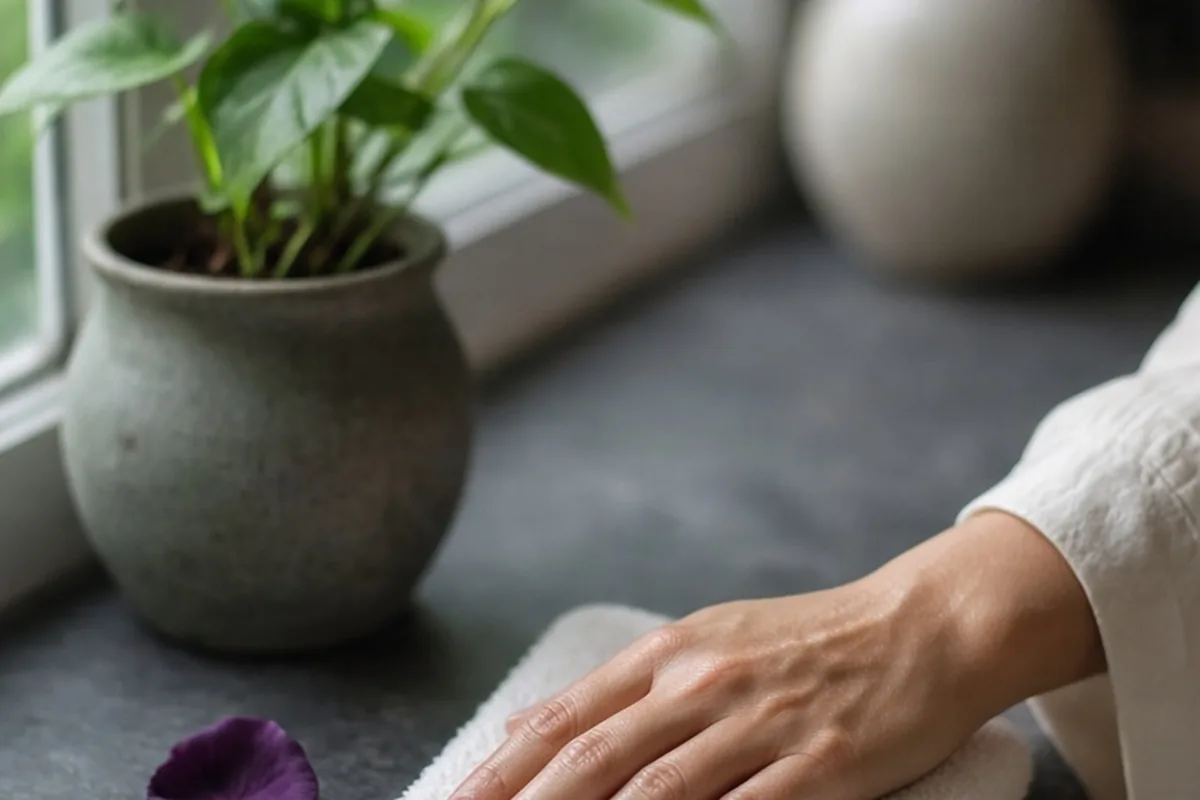
A paraffin manicure for a wedding is an intensive moisturizing nail service where hands are coated in warm, melted paraffin wax after basic nail grooming. The wax forms a soothing barrier that opens pores, locks in hydration, and softens ragged cuticles. Brides and wedding party members often choose it to ensure their hands appear smooth and supple in close-up ring photography.
Preparing for wedding celebrations involves countless small details, and hand care often takes center stage during ring exchanges, bouquet tosses, and celebratory toasts. A paraffin manicure offers a practical way to revive tired, dry hands so they look refreshed and camera-ready when photographers capture close-up portraits.
How the Paraffin Wax Process Works Step-by-Step
A standard paraffin manicure begins with traditional nail grooming. A nail technician trims, files, and shapes the nails, gently cleanses the nail beds, and tends to the cuticles. Once the foundational nail work is finished, the technician applies a rich hydrating cream or oil blend across the fingers, palms, and wrists. This initial layer provides the active moisture that the warm wax will soon help seal against the skin.
The hands are then submerged into a bath of warm, food-grade paraffin wax or coated using individual hygienic application bags. Most technicians dip the hands two to four times to build up a substantial, insulating layer of wax. Once the coating is complete, the hands are covered in plastic liners and tucked into warm terry cloth or electric mitts for roughly ten to fifteen minutes.
During this resting phase, the warm wax gently raises the skin's surface temperature, promoting relaxation and softening hardened tissue around the nail sidewalls. After the resting period concludes, the technician slides the hardened wax off in one smooth motion, cleanses the nail plate thoroughly with an alcohol-based cleanser to remove residual oils, and applies the final base coat, color lacquer, or top coat.
Why Brides and Couples Choose Paraffin Over Standard Manicures
Wedding photography places unprecedented visual focus on the hands. Macro lens shots of the wedding bands, hands holding bridal bouquets, signing the marriage license, and touching a partner's lapel all capture fine skin details. Regular lotions can evaporate or wear off quickly, but the occlusive nature of paraffin wax locks moisture deep within the outer layers of the epidermis, softening dry patches that might otherwise show up under sharp lighting.
The months and weeks leading up to a wedding are frequently filled with hand-drying activities, including assembling invitations, handling cardboard boxes, rigorous cleaning, and frequent hand washing during travel. Paraffin manicures offer concentrated relief for stressed skin, smoothing rough knuckle creases and preventing peeling hangnails that might snag delicate lace or veil fabrics on the wedding day.
For couples hosting outdoor, autumn, or winter weddings, cold weather and indoor heating can leave cuticles cracked and irritated. A paraffin treatment functions as both a cosmetic prep step and a tactile reset, leaving the skin feeling supple rather than greasy, which ensures you can greet guests and handle fabrics with complete confidence.
Strategic Timing: When to Schedule Your Wedding Paraffin Service
Timing is critical when coordinating nail services during wedding week. Booking a paraffin manicure one to two days before the wedding ceremony is widely considered the sweet spot. Getting the treatment forty-eight hours in advance gives the skin plenty of time to absorb the deep hydration while ensuring that the finish remains pristine, glossy, and chip-free for the main event.
Scheduling the appointment too early—such as five or six days ahead—allows everyday wear and tear to dull the skin's softness and increases the risk of accidental nail chipping. Conversely, booking the service on the morning of the wedding can introduce unnecessary stress, create scheduling bottlenecks, and risk residual oils transferring onto the wedding dress or bridal party attire.
If your wedding prep includes other beauty treatments, careful sequencing is essential. You should complete all spray tans, hair coloring, and body waxing before your paraffin manicure. Submerging hands into warm wax or receiving deep hand massages after a fresh spray tan can cause uneven fading or leave noticeable tide marks around your wrists and fingers.
Coordinating Paraffin Wax with Gel, Dip, Acrylics, or Natural Polish
Paraffin treatments can be adapted to almost any nail enhancement, but the application order must be adjusted depending on the product type. For gel polish, dip powder, or acrylic full sets, the nail technician will generally complete all enhancement and curing steps first. Dipping nails into warm paraffin after the polish is completely cured allows you to enjoy the moisturizing benefits without compromising the polymer bonds.
If you prefer classic regular lacquer, the paraffin dip must occur before polish application. Because paraffin wax leaves a microscopic film of oil on the nail plate, your technician must thoroughly scrub each nail surface with pure isopropyl alcohol or an acetone dehydrator before applying the base coat. Skipping this dehydration step will prevent regular polish from adhering properly, causing early peeling or bubbling.
For those planning to wear press-on nails for the wedding, the paraffin treatment should ideally be performed two full days before adhering the press-on tips. The natural oils and wax emollients need time to absorb fully into the skin; applying adhesive tabs or nail glue directly after a wax treatment can result in premature nail detachment during the reception.
Hygiene, Safety Considerations, and Skin Sensitivities
While paraffin wax is gentle and non-invasive, certain skin conditions require caution or alternative treatments. Individuals with active open cuts, weeping eczema flares, contact dermatitis, or fungal nail infections should postpone paraffin treatments until the skin has fully healed. The warm wax can trap bacteria against broken skin or cause uncomfortable stinging on open abrasions.
Salon hygiene standards are equally important to evaluate. Reputable salons maintain high cleanliness protocols by using single-use plastic gloves filled with individual paraffin portions, or by applying warm wax with clean brushes onto each client. Avoid salons where multiple clients repeatedly dip their hands into a shared, communal wax pot without prior sanitization, as this practice can transfer debris and microbes.
Those with heat sensitivities, poor peripheral circulation, or diabetic neuropathy should speak with their technician about temperature adjustments. Paraffin wax melts at a relatively low temperature—typically between 120 and 130 degrees Fahrenheit—but it should always feel soothing and comfortable, never unpleasantly hot or burning upon contact.
Budgeting, Add-On Costs, and Bridal Party Logistics
A paraffin treatment is usually offered either as a standalone specialty manicure or as an upgrade to a standard service. In most US nail salons and day spas, adding paraffin to a basic or gel manicure costs an additional $10 to $25 per person. Full luxury bridal manicure packages that include exfoliation, extended massage, and paraffin typically range from $45 to $85, depending on the salon's location and tier.
When booking services for a wedding party, coordinating the schedule requires accounting for the extra time paraffin demands. Adding a paraffin dip adds approximately fifteen to twenty minutes per person. For a bridal party of five or six, this can extend the salon visit by more than an hour unless the salon has multiple technicians available to work simultaneously.
To avoid unexpected surprises on the wedding week bill, confirm whether the salon includes cuticle conditioning, polish removal, and French tip or nail art upgrades in their package pricing. Confirming these details in advance allows you to provide a clear itinerary and cost breakdown to bridesmaids or family members joining the appointment.
Post-Treatment Care to Keep Hands Soft Through the Honeymoon
The plumping and smoothing effects of a single paraffin manicure generally last between four to seven days. To extend these results throughout your wedding weekend and into your honeymoon, consistent at-home maintenance is key. Applying a drop of pure jojoba oil or vitamin E oil to your cuticles twice daily helps maintain elasticity and prevents dry skin from reforming around the nail edges.
Protecting your hands from harsh detergents and physical friction will also preserve both your skin texture and your manicure finish. Wear rubber gloves when doing dishes or handling cleaning sprays in the days leading up to the ceremony, and keep a travel-sized, fragrance-free hand cream in your bridal emergency kit for quick touch-ups before photo sessions.
If you are traveling immediately to a tropical or cold honeymoon destination, continue applying rich hand cream before bed. While paraffin delivers an immediate surge of deep hydration for your wedding vows, mindful daily moisturization ensures your hands remain camera-ready for every celebration that follows.
Frequently asked questions
Can I get a paraffin manicure if I already have gel or acrylic nails on?
Yes, paraffin manicures work well over existing gel or acrylic nails. The warm wax will not dissolve or damage cured artificial enhancements, provided the technician applies the wax after the acrylics or gels are fully set.
How far in advance of the wedding should I get a paraffin manicure?
The ideal window is one to two days before the wedding ceremony. This timeline ensures maximum skin softness and flawless polish while avoiding the logistical rush of the wedding morning.
Will the wax make my hands feel greasy or stain my wedding dress?
No, professional paraffin wax is completely peeled away at the salon, and any remaining emollient oils are massaged into the skin or cleansed from the nail beds. Your hands will feel smooth and hydrated rather than oily, posing no risk to delicate bridal fabrics.
What is the difference between a standard hot towel manicure and a paraffin manicure?
A hot towel manicure uses steam and damp heat to briefly relax muscles and open pores, but the moisture quickly evaporates. A paraffin manicure uses melted wax as an occlusive thermal barrier that physically seals hydrating creams and oils deep into the skin.
Your next step
To ensure glowing hands for your wedding day, schedule your paraffin manicure with a reputable salon 24 to 48 hours before the ceremony, and keep a nourishing cuticle oil in your bag for easy daily maintenance.