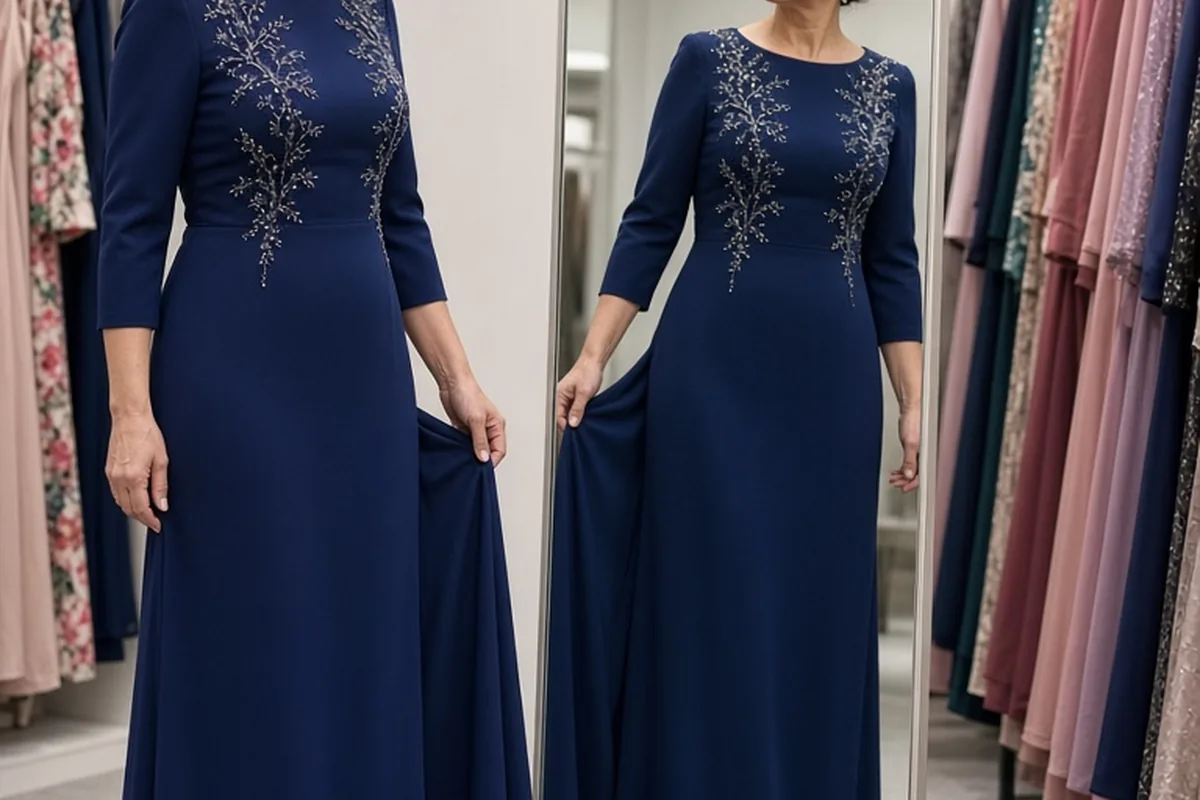
The mother of the groom should wear an outfit that matches the wedding dress code, season, and venue while harmonizing with the overall wedding color palette. Traditional etiquette encourages consulting the couple and connecting with the mother of the bride before purchasing to avoid clashing or wearing identical colors. Most mothers select an elegant evening gown, sophisticated midi dress, or tailored dress suit in a shade distinct from white, ivory, and the bridesmaids' dresses.
Selecting an outfit as the mother of the groom involves balancing personal comfort, venue expectations, and family harmony. While modern wedding customs are far more flexible than historical conventions, thoughtful coordination ensures you look refined, feel confident, and complement the rest of the wedding party throughout photographs and celebrations.
Communicating with the Couple and the Mother of the Bride
The first step in finding your attire is opening a warm, direct line of communication with the couple. Ask your son and future daughter-in-law or son-in-law about the general aesthetic, formality level, and any specific color schemes they prefer family members to embrace or avoid. Some couples prefer parents to wear tones that harmonize with the wedding party, such as choosing navy or slate when the bridal party wears dusty blue, while others have no preference as long as the outfit fits the venue.
Traditional wedding etiquette suggests that the mother of the bride selects her dress first and shares her choice with the mother of the groom. In contemporary planning, this does not mean waiting passively for months if the other mother has not started shopping. Reach out casually to share ideas, colors under consideration, or dress links. This friendly exchange prevents both mothers from accidentally buying identical dresses, clashing sharply in formal portraits, or choosing drastically different formality levels for the ceremony.
If you have a strained or distant relationship with the bride or her family, keep the outreach straightforward and polite without overcomplicating the decision. A brief text message or email sharing the general silhouette and color family you are considering is usually sufficient to confirm you are aligned with the event's expectations.
Navigating Color Etiquette and Shade Selections
Certain color guidelines remain standard across most modern weddings. The most critical rule is avoiding shades of white, ivory, eggshell, champagne, and very pale beige or silver that could photograph as white under bright sunlight or camera flashes. Unless the couple has explicitly requested an all-white wedding party, reserving light neutral tones for the bride prevents any visual distraction during the ceremony.
Black attire was once considered a social faux pas for mothers of the groom, associated primarily with mourning. Today, black is widely accepted for formal, black-tie, and evening city weddings, offering a sleek and timeless look. However, if the wedding is a casual afternoon garden gathering or a beachside morning ceremony, a solid black gown can feel overly somber and heavy. Jewel tones like emerald, sapphire, plum, and burgundy, as well as muted tones like dusty rose, sage, taupe, and steel blue, remain versatile choices across seasons.
It is equally beneficial to avoid matching the bridesmaids exactly, which can make you look as though you were mistakenly assigned to the wedding party lineup. Instead, aim for tonal coordination. If the bridesmaids are wearing blush pink, consider a richer rose gold, deep mauve, or soft plum that complements the bridal party without duplicating their fabric and cut.
Matching the Dress Silhouette to Formality and Venue
The official dress code listed on the wedding invitation serves as your primary framework for silhouette and length. For a white-tie or black-tie event, a floor-length evening gown is the standard choice. Look for structured crepe, rich satin, mikado, or tasteful beadwork that conveys formal grandeur without mimicking bridal styling.
For black-tie optional or formal weddings, floor-length gowns and sophisticated midi-length cocktail dresses are both appropriate. If the wedding is semi-formal, cocktail attire, or taking place during daytime hours, an elegant knee-length sheath, an A-line midi dress, or a tailored dressy jumpsuit provides the right balance of refinement and ease. For casual, backyard, or rustic barn weddings, light fabrics like eyelet lace, breezy georgette, or soft wrap dresses keep you looking polished without overdressing.
Consider the physical venue when choosing skirt volume and length. Outdoor ceremonies on grass, sand, or cobblestones require hemlines that will not drag on rough terrain or absorb dampness. Similarly, a high-wind seaside setting makes voluminous chiffon skirts difficult to manage, whereas structured fabrics or a tailored column dress will hold their shape cleanly throughout the event.
Choosing Fabrics and Construction for Seasonal Comfort
Your role as the mother of the groom involves a full schedule of standing for greetings, walking in processional lines, sitting through dinner, and dancing at the reception. Selecting a breathable, flexible fabric prevents overheating and restrictive movement over eight to ten hours of continuous activity.
For spring and summer celebrations, lightweight fabrics such as silk chiffon, georgette, fine lace, and stretch crepe provide ventilation while maintaining an elevated drape. Avoid heavy brocades, stiff taffeta, and unlined synthetic polyesters that trap moisture and wrinkle easily when sitting during transit. For autumn and winter weddings, heavier textiles like velvet, jacquard, heavyweight satin, and lined wool-crepe blends offer warmth and luxurious texture.
Investing in professional alterations makes a noticeable difference in how an outfit feels and looks. Ensure the hemline is tailored specifically to the exact heel height of your chosen shoes, and check that the bust and shoulder seams allow you to hug family members comfortably without the garment riding up or gaping.
Selecting Necklines, Sleeves, and Modesty Layers
Finding an appropriate neckline involves honoring both your personal style preferences and the cultural or religious environment of the ceremony. Classic options such as boatneck, portrait collars, soft V-necks, jewel necklines, and sweetheart cuts with straps offer timeless elegance that flatters most body types and frames family photographs gracefully.
If the wedding takes place in a house of worship with specific modesty customs, or in an unheated historic sanctuary, incorporate coordinating layers into your ensemble. A tailored bolero jacket, structured cropped blazer, matching chiffon capelet, or pashmina shawl can provide the required arm and shoulder coverage during the ceremony while being easily removable for the evening party.
When it comes to sleeve styles, three-quarter sleeves, sheer illusion lace sleeves, and flutter sleeves remain perennial favorites for mothers who prefer upper arm coverage without adding excessive weight or warmth. If you choose a sleeveless or off-the-shoulder gown, test your range of arm motion during fittings to make sure you can move freely without needing constant readjustments.
Coordinating Accessories, Footwear, and Undergarments
Accessories should elevate your outfit without competing with the overall bridal aesthetic. If your dress features intricate embroidery, sequins, or a heavily textured collar, opt for minimalist jewelry such as diamond or pearl stud earrings and a simple bracelet. If your dress is a solid, clean-lined crepe gown, you can introduce a statement necklace or architectural earrings to draw focus toward your face.
Footwear requires a balance of style and endurance. While high stilettos may look striking in the mirror, they quickly become impractical during extended photo sessions and dancing. Consider block heels, low kitten heels, or dressy metallic pointed-toe flats that offer arch support and stability on varying surfaces. Bring your wedding shoes to your dress fittings so the seamstress can hem the skirt precisely to prevent tripping hazards.
Supportive undergarments serve as the foundation of any tailored dress. Seamless shapewear, a properly fitted bra, and smooth slips prevent visible lines and eliminate the need for mid-event tugging. Purchase your undergarments early and wear them during every dress alteration appointment to guarantee an accurate fit.
Handling Blended Families, Stepmothers, and Cultural Traditions
When weddings involve blended families with biological mothers, stepmothers, or multiple parental figures, coordinating attire requires extra tact and open communication. No mother figure needs to wear the exact same dress style, but all maternal figures should aim for a comparable level of formality so family portraits look cohesive and balanced.
If you are a stepmother or co-parenting mother of the groom, discuss color selections directly with the couple or check in through a shared group chat. Respecting the biological mother's color choice by selecting an adjacent or complementary tone prevents any appearance of competition while ensuring every maternal figure feels recognized, elegant, and confident.
For multicultural weddings or ceremonies honoring heritage traditions—such as wearing a saree, hanbok, lehenga, or traditional Scottish tartan—discuss expectations with the couple beforehand. Embracing traditional cultural attire is often warmly welcomed, provided it aligns with the family's ceremonial customs and the specific expectations of the day.
Frequently asked questions
Can the mother of the groom wear navy blue?
Yes, navy blue is one of the most popular and classic colors for the mother of the groom. It is universally flattering, photographs well in both indoor and outdoor lighting, and complements nearly every wedding color palette without clashing with the bridal party.
When should the mother of the groom buy her dress?
It is best to start browsing around six to eight months before the wedding and finalize your purchase three to four months prior. This timeline allows ample time for shipping, potential custom orders, and necessary alterations without last-minute stress.
Is it acceptable for the mother of the groom to wear pants?
Yes, high-end dressy pant suits and formal evening jumpsuits made of fabrics like crepe, silk, or embellished chiffon are completely acceptable. Ensure the tailoring matches the event's formality and dress code.
Can the mother of the groom wear the same color as the mother of the bride?
While both mothers can wear colors within the same general palette family, wearing the identical color and shade is generally avoided unless requested by the couple. Selecting distinct, complementary tones creates visual interest and individuality in group photographs.
Your next step
Reach out to the couple and the mother of the bride this week to confirm the wedding dress code, color preferences, and general style ideas before starting your shopping.