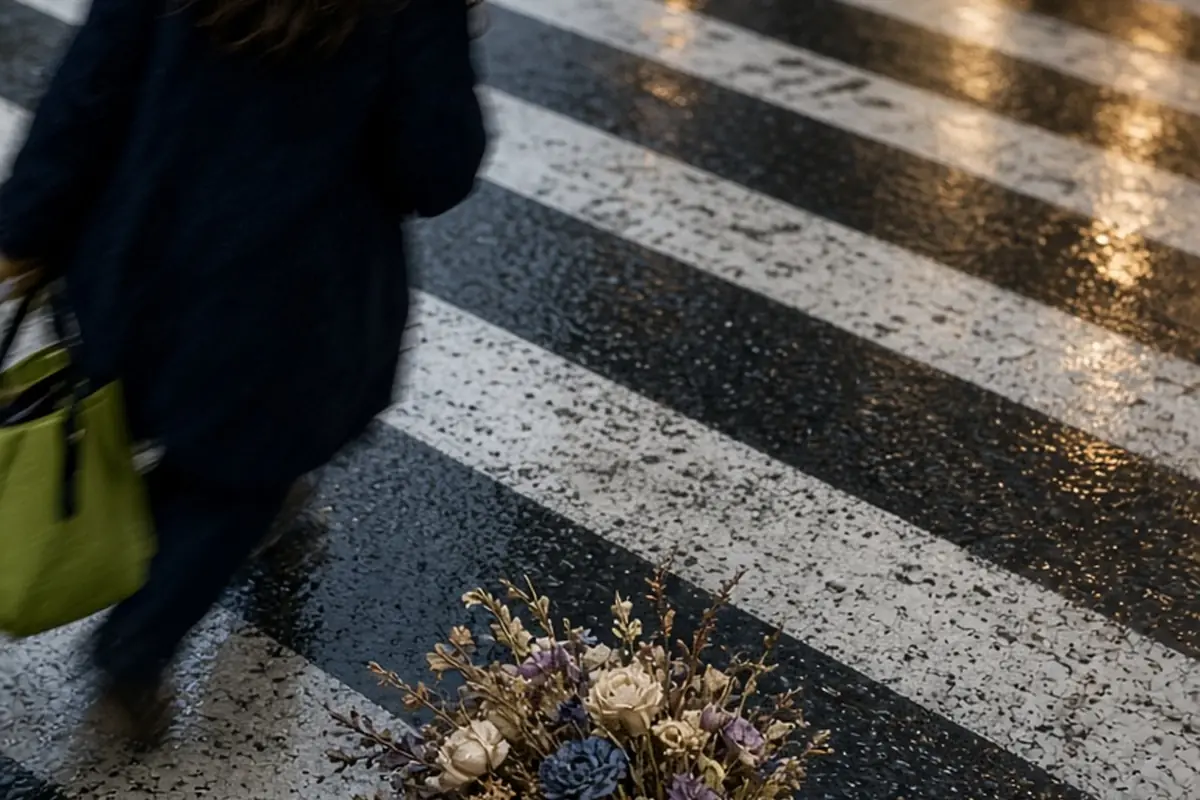
You can display a dried bridal bouquet in a custom shadow box, cast the petals into resin keepsakes like coasters or bookends, press individual stems into floating glass frames, or repurpose the petals into aromatic potpourri. Choose your project based on floral fragility, available budget, and personal style. Spray fragile blooms with a UV-resistant sealant first to prevent fading and crumbling over time.
Holding onto your wedding flowers preserves a tangible memory from your ceremony, but leaving dry stems in an open vase often leads to dust accumulation, fading colors, and brittleness. Finding an intentional way to repurpose or protect those dried petals ensures your wedding memories stay vibrant and functional in your home.
Design a Custom Shadow Box Display
A shadow box provides a protected, three-dimensional environment that keeps your entire dried bridal bouquet intact without exposing delicate petals to dust or accidental bumps. Because shadow box frames feature deep internal recesses ranging from two to five inches, they comfortably house large flower heads such as garden roses, peonies, dahlias, and succulents without crushing them. To assemble the display, choose a backing fabric like natural linen, velvet, or acid-free cardstock that complements your wedding colors. Secure the bouquet to the backboard using clear floral wire, sturdy pearl-headed corsage pins, or invisible archival glue dots.
You can personalize the arrangement further by pinning additional wedding keepsakes alongside the flowers, such as your boutonniere, invitation card, silk bouquet ribbon, or vows. Keep in mind that air-dried florals naturally experience subtle shrinkage and color shifts toward deeper, vintage tones. To keep your shadow box looking its best for years, seal the frame tightly to keep ambient humidity out and hang the finished piece on an interior wall that receives indirect lighting rather than direct, bleaching sun rays.
Cast Petals and Stems in Clear Epoxy Resin
Epoxy resin turns delicate botanicals into durable, functional decorative objects for daily use. By suspending dried petals, foliage, or entire small blooms in liquid resin that cures into solid crystal-clear plastic, you can create custom items such as ring holders, floral paperweights, decorative serving trays, faceted bookends, or beverage coasters. Silicone molds make it possible to capture geometric shapes, letters, or organic hexagonal forms depending on your aesthetic preferences.
Executing resin projects requires patience and careful temperature control. Pour the resin in multiple thin layers rather than one heavy pour to prevent the chemical reaction from overheating, which can scorch fragile petals or generate excessive air bubbles. Ensure every flower fragment is completely dehydrated before submerging it; any lingering internal moisture can cause flowers to brown or develop milky white halos inside cured resin. While UV-stabilized resins slow the aging process, expect clear resin to develop a very faint amber warmth over several years.
Create Framed Floating Glass and Pressed Floral Art
If you prefer minimalist or modern wall decor, deconstructing your dried bouquet into two-dimensional framed art provides a sleek alternative to bulky cases. Floating glass frames sandwich botanical elements between two transparent glass sheets, giving the illusion that the stems are suspended in midair. You can carefully separate individual petals, ferns, and eucalyptus leaves, or gently press partially dried buds between heavy books lined with parchment paper before mounting them.
Arrange the components in clean geometric lines, a cascading floral wreath, or an abstract botanical collage before clamping the glass panels together. This technique works best with flatter elements like hydrangea florets, baby's breath, astilbe, and foliage. Thicker floral centers like ranunculus or protea cannot easily flatten without deconstruction, so you may need to peel outer petals and press them individually. The primary limitation of pressed glass art is fragility during repositioning, so finalize your layout on paper before transferring stems to glass.
Blend Fragrant Botanical Potpourri and Sachet Keepsakes
When an older bouquet begins shedding petals or feels too brittle for visual mounting, converting the botanicals into homemade potpourri or scented drawer sachets turns broken pieces into a sensory keepsake. Strip the petals from their stiff stems and mix them in a bowl with botanical fixatives like ground orris root, cinnamon chips, and dried citrus peels. Adding a few drops of essential oils—such as rose, bergamot, lavender, or sandalwood—reintroduces long-lasting aroma to flowers that have naturally lost their scent during drying.
Store the mixture in a sealed glass container for two to three weeks to allow the botanicals to absorb the essential oils thoroughly. Once cured, transfer the scented petals into sheer organza or breathable cotton bags to place in closets, linen drawers, or guest rooms. If you prefer visual displays, place the blended petals in an open decorative apothecary jar or ceramic bowl on a console table. Avoid placing potpourri in damp spaces like bathrooms, as excess ambient humidity can cause dried petals to soften and invite mold growth.
Commission Custom Floral Keepsake Jewelry
For a wearable reminder of your wedding day, dried petals can be transformed into custom jewelry pieces. Specialized independent artisans use micro-casting techniques to preserve tiny fragments of dried petals inside sterling silver bezels, gold lockets, cabochon rings, or glass globe pendants. Some jewelers crush the dried petals into a fine powder to create a tinted composite clay or enamel, while others preserve visible, miniature petal fragments suspended in clear jewelers' resin.
This option requires only a small handful of petals, making it an excellent companion project if you are already using the bulk of your bouquet for a shadow box or framed display. When choosing jewelry, consider how often you plan to wear it. Rings and bracelets experience daily friction and exposure to hand soaps, whereas necklaces and earrings encounter less surface wear, ensuring the floral resin remains scratch-free and clear for longer.
Shield and Maintain Dried Flowers from Environmental Wear
Dried floral arrangements remain structurally delicate and susceptible to three major environmental threats: ambient moisture, direct sunlight, and household dust accumulation. To protect flowers that will remain displayed openly on a shelf or vase, lightly mist them with a specialized floral sealant spray or a clear, matte UV-filtering acrylic spray. This coating creates a barrier that reinforces brittle stem fibers, locks in pigment, and reduces shedding during seasonal temperature shifts.
Cleaning an exposed dried bouquet requires a gentle touch to avoid snapping dry seed pods and petals. Use a soft-bristled makeup brush or a hair dryer set to the lowest, coolest air setting held at least twelve inches away to dislodge accumulated dust every few months. Never spray water, commercial cleaning polishes, or liquid room sprays directly onto dried botanicals, as liquid reintroduces moisture that can prompt decay or structural collapse.
Selectively Downsize and Responsibly Compost Stems
There may come a time when certain elements of your bridal bouquet become too faded, dusty, or damaged to maintain. Stems that were not fully dried initially may develop mildew, or fragile seed heads might shatter beyond repair. When this happens, give yourself permission to selectively downsize rather than feeling obligated to keep an entire deteriorating arrangement. Unwind and save the original satin ribbon, lace wrap, or bouquet charm, keeping those meaningful textiles in a keepsake memory box.
Remove any non-biodegradable components such as florist wire, plastic water picks, floral tape, and foam blocks before disposing of the remaining plant matter. Untreated, natural stems and petals can be placed into your home compost bin or municipal yard waste collection, returning the organic matter to the soil. Letting go of degraded stems allows you to focus your attention on preserving only the healthiest, most intact pieces of your wedding memories.
Frequently asked questions
How long do dried bridal bouquets typically last?
When kept away from direct sunlight, moisture, and high humidity, dried bridal bouquets can last for several years. Sealing them in shadow boxes or casting them in resin extends their lifespan significantly longer than leaving them exposed on open shelves.
Can I make resin keepsakes with flowers that are already dried?
Yes, fully dried flowers are ideal for resin projects because wet flowers rot and discolor when submerged. Just ensure the petals contain zero residual moisture by storing them in a sealed container with silica gel beads for a few days before casting.
Why are my dried wedding flowers turning brown or yellow?
Natural plant pigments break down over time due to exposure to UV light, oxidation, and ambient humidity. Applying a UV-resistant matte floral sealant and displaying arrangements away from sunny windows helps slow this color change.
How do I clean dust off an exposed dried bouquet without breaking it?
Use a hair dryer set to the coolest temperature and lowest speed setting, holding it at least one foot away to gently blow dust off the blooms. Alternatively, carefully sweep surfaces with a soft, clean cosmetic powder brush.
Your next step
Inspect the condition of your dried bridal bouquet today, separate sturdy blooms from fragile debris, and choose a display or crafting method that suits your home decor and budget.