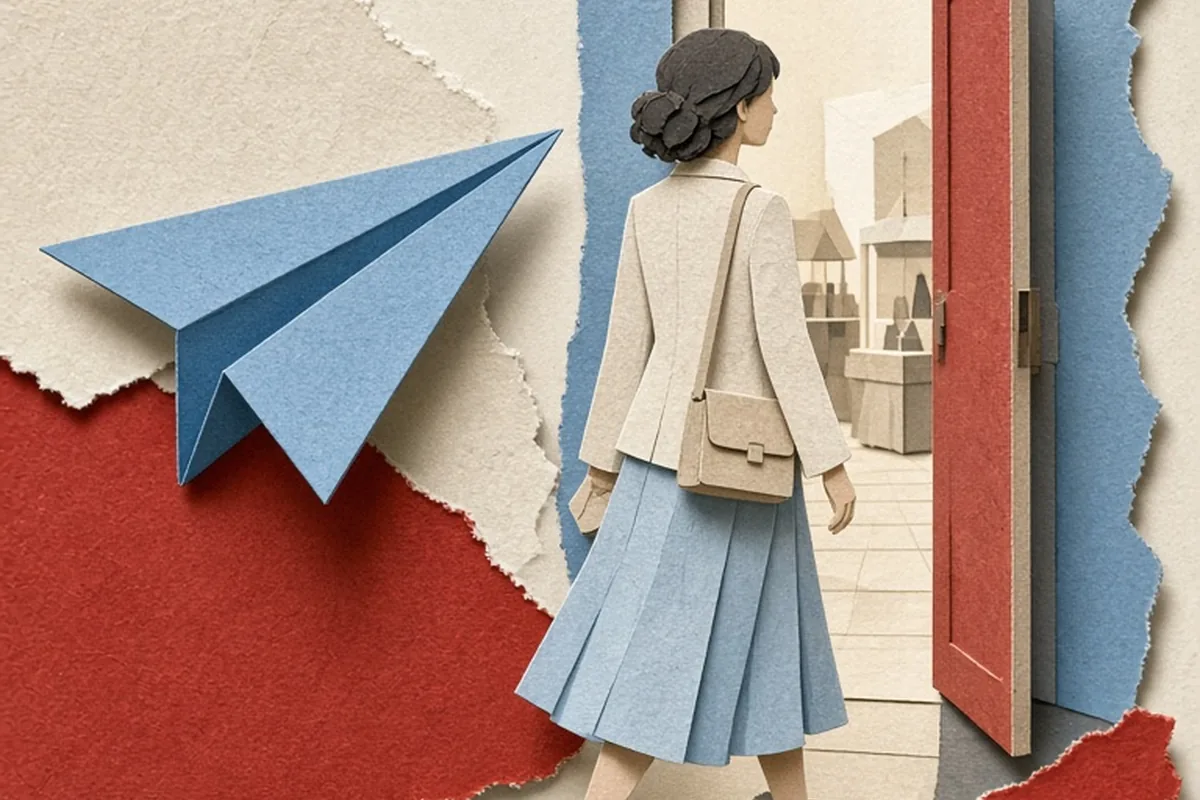
To a bridal expo, wear elevated smart-casual attire centered around comfortable, broken-in walking shoes, breathable layers, and a structured crossbody or tote bag. Choose polished basics like tailored trousers, dark-wash denim, a relaxed blazer, or a casual midi dress with flat sneakers or loafers. This balance keeps you professional when meeting vendors while ensuring you can easily walk convention floors for several hours.
Bridal expos are dynamic, high-energy events held in massive convention centers, hotel ballrooms, or event arenas where attendees routinely walk several miles across hard exhibition floors. Balancing practical comfort with a put-together appearance ensures you can focus on interviewing vendors, gathering design inspiration, and evaluating contracts without distraction.
The Core Smart-Casual Formula for Convention Floors
A bridal expo is neither a black-tie gala nor a casual lounge setting; it functions as a lively marketplace and networking floor. While vendors will not turn anyone away for casual clothing, presenting a polished appearance helps you feel confident and organized while discussing significant wedding budgets, dates, and contracts with seasoned professionals. Smart-casual attire hits the ideal middle ground by combining comfortable fabrics with tailored silhouettes that look intentional in photos and face-to-face meetings.
An effective base outfit pairs structured bottoms with a soft, breathable top. Consider high-waisted ankle trousers, tailored wide-leg pants made from stretch twill, or clean, dark-wash denim without distressing. On top, a high-neck cotton tee, a relaxed silk-blend blouse, or a fine-gauge knit provides an uncluttered canvas. If you prefer one-piece outfits, a jersey midi dress or an unrestrictive shirt dress offers full mobility while looking chic.
The primary limitation of overly formal clothing, such as cocktail dresses or stiff suiting, is physical restriction. Expo halls require bending over display tables, reaching into prize bins, and squeezing through crowded aisles. Choosing clothing with built-in stretch and forgiving waistbands guarantees freedom of movement from your first booth consultation to the closing fashion show.
Footwear Selection to Prevent Walking Fatigue
The single most important decision for your expo outfit is what goes on your feet. Convention centers typically feature thin industrial carpeting laid directly over solid concrete slabs. Walking on these unforgiving surfaces for three to five hours without adequate shock absorption will quickly cause lower back strain, shin splints, and blistered heels.
Opt for footwear designed for sustained walking that still harmonizes with an elevated outfit. Minimalist white leather sneakers, supportive cushioned loafers, flat mules with arch support, or low, chunky Chelsea boots are proven options. If you prefer added height, select a wide, low block heel under two inches with a cushioned footbed rather than thin heels or unsupportive platform wedges that wobble on uneven floor transitions.
Avoid brand-new, unbroken-in shoes at all costs, regardless of how stylish they look with your outfit. Even a small pressure point will become painful after walking two miles indoors. A practical trade-off is bringing a pair of fold-up ballet flats or cushioned sneaker insoles inside your tote bag, allowing you to adjust your foot support if fatigue sets in halfway through the day.
Layering Strategies for Volatile Indoor Climates
Exhibition centers are notorious for unpredictable microclimates. One end of the hall near the loading docks or main entrance may let in cold drafts, while the center aisles, packed with hundreds of attendees, stage lighting, and cooking demonstration equipment, can quickly become stuffy and warm. Dressing in easily removable layers ensures you remain comfortable no matter where you wander.
Build a three-piece system consisting of a breathable base, an insulating mid-layer, and a polished outer layer. Start with a lightweight sleeveless top or short-sleeve shirt in natural fibers like cotton, modal, or linen blends. Add an open-front cardigan, soft knit duster, or unstructured blazer that can be slipped on or draped over your shoulders. For outer warmth during arrival, wear a trench coat or denim jacket that is light enough to carry or check in at the venue coat check.
Bulky winter parkas and heavy wool coats create a distinct logistical challenge once inside. If the venue lacks a coat check, carrying a massive winter coat over your arm alongside bags of vendor materials will quickly exhaust you. Whenever possible, leave heavy outerwear in your vehicle trunk or opt for layered mid-weight pieces that fold neatly into a tote bag.
Choosing Outfits for Sample Sales and Quick Fittings
Certain bridal expos feature pop-up sample sales, pop-up dressing rooms, temporary beauty stations offering trial updos, or engagement ring cleaning booths. If you plan to take advantage of these interactive opportunities, your clothing must be easy to modify, slip off, or work around without requiring twenty minutes in a restroom stall.
For events that include gown sample shopping, wear slip-on shoes and clothing that is simple to change out of quickly, such as a wrap dress or a pull-on skirt and top combo. Avoid bodysuits, rompers, or tops with intricate back button loops that slow down changing in communal fitting areas. Wear seamless, skin-toned undergarments and bring a strapless convertible bra so you can accurately see how various dress necklines look on your silhouette.
If you plan to visit beauty booths for express hair styling or makeup consultations, avoid high turtlenecks or crewneck sweatshirts that might rub against fresh makeup or catch on pinned hair when pulled over your head at the end of the day. A button-up blouse or wide boatneck top preserves your trial styling undisturbed.
Bag Selection and Hands-Free Accessories
Within thirty minutes of arriving at an expo, you will likely accumulate heavy printed lookbooks, pricing sheets, business cards, branded giveaways, and water bottles. Carrying all of this in flimsy plastic bags handed out at the door quickly strains your fingers and leaves your hands full, making it difficult to hold food samples, take phone notes, or shake hands with vendors.
The ideal bag setup is a two-part system: a small crossbody bag kept against your torso and a sturdy, lightweight tote bag carried on your shoulder. The crossbody holds your high-value essentials—phone, wallet, keys, and lip balm—keeping them secure and instantly accessible without unzipping a large bag. The tote bag, made of durable canvas or lightweight nylon with wide shoulder straps, holds incoming brochures, folders, and samples.
Consider bringing a tote bag with an interior divider or folder pocket to keep price sheets from crumpling. While small rolling utility bags or market carts are permitted at some large-scale expos, confirm venue policies first, as some convention centers restrict rolling luggage in narrow aisles to prevent tripping hazards during peak attendance hours.
Coordinating Outfits for Entourages and Partners
Many attendees bring along their partner, maid of honor, parents, or close friends. Coordinating a collective aesthetic does not mean wearing matching novelty t-shirts, which can feel restrictive or distracting, but rather ensuring the entire group understands the physical demands of the event and dresses in compatible smart-casual styles.
For partners, a comfortable button-down, polo, or knit sweater paired with tailored chinos and supportive dress sneakers strikes the appropriate balance. For bridal party members and parents, comfortable jumpsuits, casual dresses, or denim paired with stylish knitwear keep everyone feeling cohesive. Agreeing on a baseline of comfort beforehand prevents situations where one member of the group needs to leave early due to foot pain or overheating.
If you do choose to wear subtle celebratory apparel—such as a small bridal pin, a neutral 'Bride' cap, or coordinated color accents among your group—keep it functional and understated. This allows vendors to easily recognize the decision-maker in the group while keeping the focus on your wedding plans and vendor evaluations.
Seasonal Considerations and Venue-Specific Adjustments
Bridal expos take place year-round, but seasonal weather impacts arrival logistics, footwear choices, and fabric selection. Spring and summer expos held in warm months call for breathable fabrics and sun-conscious planning if walking from distant parking lots, whereas autumn and winter expos require weatherproofing against rain, sleet, or slush.
During warm-weather expos, choose natural fibers such as cotton poplin, breathable rayon, and linen blends that wick moisture and maintain their structure in high-humidity halls. Pair these with breathable leather or canvas shoes. In colder seasons, swap light fabrics for fine-gauge merino wool, structured ponte knits, and ankle boots with rubber traction soles that can handle wet outdoor walkways before entering the carpeted arena.
Pay close attention to venue layout announcements prior to the event. A boutique expo hosted in a historic hotel or vineyard tasting room may have uneven cobblestones, stairs, and tighter walking spaces, making sleek flats and compact crossbodies essential. In contrast, a mega-expo in a municipal convention hall provides wide flat aisles where rolling totes and cushioned walking sneakers shine.
Illustrative Scenarios
Adjusting Wardrobe from Formal to Functional
An engaged attendee planned to wear high-heeled booties and a structured pencil dress to her first regional bridal expo, viewing it as a formal consultation event. After two hours on the concrete convention floor, foot pain and heavy brochure bags made it difficult to continue speaking with photographers. For her next expo, she wore tailored stretch ankle trousers, broken-in leather sneakers, a breathable knit tee under a lightweight blazer, and carried a reinforced canvas shoulder tote.
Key point: Pairing structured tailoring with walking sneakers and ergonomic bags lets you maintain an elevated look while effortlessly handling hours of physical walking and material collection.
Frequently asked questions
Is there an official dress code enforced at bridal expos?
Most bridal expos do not have a mandatory dress code, permitting everything from casual streetwear to business attire. However, wearing elevated smart-casual clothing ensures you look polished for vendor consultations while staying comfortable for extensive walking.
Can the bride wear white to a bridal expo?
Wearing white is a fun, popular choice for brides-to-be, whether through a white blouse, ivory knit sweater, or casual white dress. While entirely optional, it subtly signals to vendors that you are the central planner without requiring a formal wedding dress.
What undergarments should I wear if I plan to try on dresses?
Wear seamless, nude undergarments that lie flat under delicate fabrics to get an accurate look in sample gowns. Bring a supportive strapless or convertible bra so you can assess different necklines without visible strap interference.
Should I bring a small rolling bag or a shoulder tote?
A sturdy shoulder tote paired with a small crossbody bag is usually the most agile combination for maneuvering crowded booth aisles. If you prefer a rolling cart, check the venue rules beforehand, as some large expos restrict wheeled luggage during peak hours.
Your next step
Choose a smart-casual base with broken-in walking sneakers, pack a durable canvas tote for vendor lookbooks, and lay out breathable layers the evening before your expo.