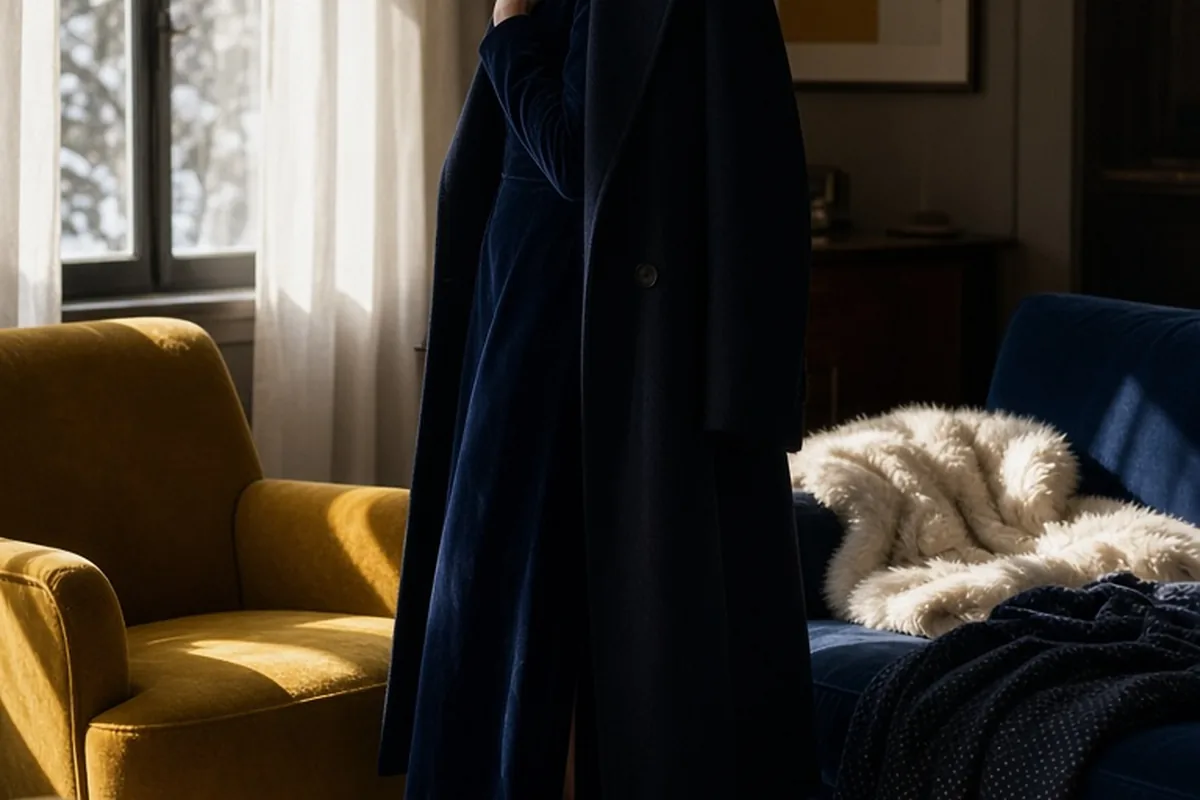
To dress for a winter wedding, balance the formal dress code with cold-weather warmth by choosing heavyweight fabrics such as velvet, structured satin, jacquard, or heavy crepe. Opt for jewel tones, dark neutrals, or rich metallic shades, and pair your outfit with formal outerwear like a tailored wool overcoat, faux-fur stole, or sleek cape. Complete your look with closed-toe shoes or dress boots, and consider discrete base layers like thermal undergarments or fleece-lined tights for chilly venues.
Attending a winter wedding requires striking a delicate balance between celebratory elegance and functional warmth. Unlike summer events where light fabrics and open sandals suffice, colder months demand thoughtful fabric weights, intentional layering, and appropriate footwear that can handle unpredictable weather without detracting from the occasion.
Navigating Winter Wedding Dress Codes from Black-Tie to Casual
The invitation's dress code serves as your baseline, but winter weather modifies how each level of formality translates into real-world clothing. For a black-tie winter wedding, floor-length gowns and classic tuxedos remain standard, but fabric density becomes critical. Instead of airy tulle or lightweight georgette, choose floor-length dresses in heavy silk, architectural mikado, or velvet. For tailored suiting, a midnight blue or black wool tuxedo paired with a crisp pique shirt and formal silk bow tie keeps you insulated while adhering strictly to high formal standards.
When the invitation specifies black-tie optional or formal, guests have slightly more versatility while still needing substantial coverage. Midaxi or floor-skimming gowns, elegant tailored jumpsuits with structured lapels, and dark suits in rich worsted wool or flannel perform exceptionally well. Adding a velvet blazer to tailored trousers offers a classic winter look that sits comfortably between formal and semi-formal without feeling underdressed.
Semi-formal and dressy casual winter celebrations open up more creative separates, midi dresses, and smart knitwear. A pleated midi skirt paired with a fine-gauge cashmere sweater and statement jewelry strikes an effortless, polished note for daytime or rustic venues. For suiting, medium-weight wool trousers combined with a structured sports coat or a refined knit turtleneck underneath a blazer provide both warmth and modern polish.
Selecting Cold-Weather Fabrics That Look Elevated and Retain Heat
Fabric selection is the single most effective way to stay comfortable during an extended winter ceremony and reception. Lightweight summer textiles like linen, seersucker, cotton poplin, and whisper-thin chiffon trap very little body heat and often look seasonally mismatched against winter backdrops. Replacing these with naturally insulating, substantial textiles ensures you remain comfortable during cold arrivals without relying on a bulky jacket indoors.
Velvet is widely regarded as a quintessential winter fabric because its plush pile adds immediate texture, deep luster, and noticeable warmth. Crushed velvet, silk velvet, or stretch velvet in structured silhouettes drape gracefully while blocking interior drafts. Similarly, heavyweight crepe, jacquard, brocade, and heavy satin offer enough structure to hold tailored lines while shielding you from chilly indoor air conditioning or unheated historical corridors.
For suiting and tailored separates, worsted wool, wool-flannel blends, and refined tweed provide natural breathability alongside superior insulation. Wool fibers create tiny air pockets that retain body heat without causing overheating once the dancing begins. If you are wearing dresses or skirts, look for lined garments; an attached slip or smooth silk-blend lining prevents friction against tights and provides an extra barrier against cold drafts.
Choosing Winter Wedding Outerwear That Complements Formal Attire
One common styling mistake is treating your coat as a purely utilitarian item that gets hidden away immediately. In reality, winter weddings often involve outdoor photo sessions, transit between ceremony and reception sites, and drafty greeting lines where your outerwear remains on display. A casual puffer jacket or utilitarian parka creates a jarring contrast against formal attire, making a dedicated dress coat a key component of your overall outfit.
A full-length or calf-length tailored wool or cashmere overcoat in camel, black, navy, or charcoal complements almost any formal silhouette. Wrap coats with tie belts allow you to cinch your waist over voluminous gowns or suits, while structured double-breasted coats add clean, architectural lines. If your dress features delicate sleeves or intricate shoulder detailing, look for a cape coat or swing-style jacket that sits over your shoulders without crushing the garment underneath.
For black-tie and high-glamour weddings, faux-fur stoles, short plush boleros, and tailored velvet jackets provide focused shoulder and torso warmth while enhancing the celebratory feel. Ensure your outer layer is long enough to cover your dress hem or ends at a deliberate, flattering proportion above it, avoiding awkward mid-calf breaks that disrupt the visual line of your ensemble.
Footwear Strategies for Snow, Slush, and Icy Walkways
Navigating icy stairs, slushy parking lots, and damp garden paths requires strategic shoe planning. While strappy open-toe sandals are common in warm months, they expose your feet to freezing temperatures, wet terrain, and drafty ballrooms. Closed-toe options provide significantly better thermal comfort and structural stability across uneven winter ground.
Pointed-toe pumps, elegant slingbacks, and velvet d'Orsay heels in dark tones offer a timeless look for indoor celebrations. If the venue features cobblestones, outdoor courtyards, or flagstone paths, choose a block heel or architectural flared heel rather than a thin stiletto to prevent sinking into soft ground or slipping on slick surfaces. Sleek heeled ankle boots in smooth leather or suede can also work beautifully with midi dresses, tailored trousers, or modern jumpsuits.
When severe winter weather is expected during transit, adopting a two-pair shoe strategy is the most practical choice. Wear insulated, waterproof snow boots with reliable traction while traveling, commuting, and walking into the venue, then carry your formal dress shoes inside a dedicated shoe bag to swap once you arrive at the coat check. This protects fine silk, satin, and suede from road salt, water stains, and slush before the event begins.
Winter Color Palettes: Jewel Tones, Dark Neutrals, and Rich Metallics
Winter wedding guest fashion embraces deeply saturated tones, rich earthy hues, and festive metallics that echo the season without mimicking holiday party costumes. Deep jewel tones like emerald green, royal sapphire, rich ruby, deep plum, and amethyst flatter a wide variety of complexions and look striking under indoor ambient lighting. These colors feel deliberate, festive, and grounded in the season.
Dark neutrals provide a timeless alternative for those who prefer understated palettes. Midnight navy, deep slate, espresso brown, forest green, and charcoal offer the slimming sophistication of black while adding subtle depth. Black itself is completely acceptable at modern winter weddings, particularly for evening or formal events; elevate an all-black look by playing with contrasting textures like sheer sleeves, velvet trim, or metallic accessories.
Metallics such as antique gold, brushed pewter, bronze, and champagne catch winter candlelight beautifully and work well for evening celebrations. However, exercise caution with pale champagne, ivory-adjacent silver, or icy pale blue that could photograph nearly white under bright flashes or daylight. Always steer clear of stark white, cream, and bridal pastels to ensure your outfit remains distinct from the wedding party.
Undergarments, Thermal Layers, and Smart Hosiery Choices
The secret to remaining comfortable in a freezing sanctuary or mountain lodge often lies completely out of sight. High-tech thermal base layers made of ultra-fine silk or featherweight synthetic blends can be worn discreetly beneath wide-leg trousers, long maxi skirts, and structured suiting without adding bulk or restricting your movement on the dance floor.
Hosiery is both a styling choice and a practical insulation layer. Sheer black or graphite tights (ranging from 15 to 30 denier) add instant sophistication to cocktail dresses and mini skirts while taking the bite out of cold breezes. For harsher winter temperatures, translucent fleece-lined tights give the optical appearance of sheer pantyhose while providing the substantial thermal insulation of thick leggings.
When choosing undergarments, ensure that seams, waistbands, and hemlines do not create visible friction against your outer fabrics. Antistatic sprays or smooth slip liners prevent skirts from clinging uncomfortably to tights as you walk. If your outfit requires a backless or low-cut profile, plan your cold-weather coverage around visible outerwear rather than sacrificing core support garments.
Adapting Your Look for Specific Winter Venue Environments
Venue style dramatically influences how warm or cold you will feel throughout the wedding day. A modern hotel ballroom typically maintains strict climate control, meaning you will likely only experience cold during transit and coat check. In contrast, historic estates, converted barns, stone cathedrals, and mountaintop chalets often feature high ceilings, stone flooring, and uneven heating that allow cold drafts to linger throughout the reception.
For rustic venues like heated barns or tented winter pavilions, assume that floor-level temperatures will be lower than ambient air. Layering with a tailored blazer, a structured knit wrap, or closed dress boots ensures you stay cozy during prolonged seating periods. Bringing an elegant wrap or pashmina in a matching tone allows you to adjust your personal temperature without leaving your seat or putting on your heavy transit coat.
If the itinerary includes outdoor elements—such as a brief ceremony terrace, sparkler exit, or outdoor cocktail hour around fire pits—plan your look around outerwear as a primary piece rather than an afterthought. Pair your ensemble with leather dress gloves, insulated footwear inserts, and a coordinated wrap to enjoy the outdoor moments without freezing.
Frequently asked questions
Can I wear black to a winter wedding?
Yes, wearing black to a winter wedding is completely appropriate and widely embraced, especially for evening, cocktail, and formal celebrations. To keep the look celebratory rather than somber, choose rich fabrics like velvet, silk, or lace, and accessorize with statement jewelry or metallic accents.
Is it acceptable to wear pants or a jumpsuit to a winter wedding?
Tailored pantsuits, wide-leg trouser sets, and formal jumpsuits are excellent options for winter weddings. Choose structured, heavyweight fabrics such as crepe, velvet, or wool-blend jacquard, and pair them with sharp tailoring and formal accessories.
What kind of shoes should I avoid at a winter wedding?
Avoid thin-strapped open sandals, casual rubber rain boots, and canvas shoes. Thin stiletto heels should also be avoided if you must walk on snow, gravel, or icy surfaces, as they easily slip and sink into ground gaps.
How do I keep my legs warm if I wear a shorter cocktail dress?
Wear sheer black tights, patterned hosiery, or fleece-lined translucent tights that mimic the look of sheer stockings while providing substantial thermal insulation. You can also pair shorter silhouettes with closed-toe pumps and a long, tailored overcoat.
Your next step
Check the venue layout and forecasted weather for the wedding day, then select a heavyweight fabric outfit paired with a dedicated dress coat and stable, closed-toe footwear.